ZAC BROWN BAND (LOVE & WAR) - SPHERE
A HERO'S JOURNEY THROUGH THE SPHERE
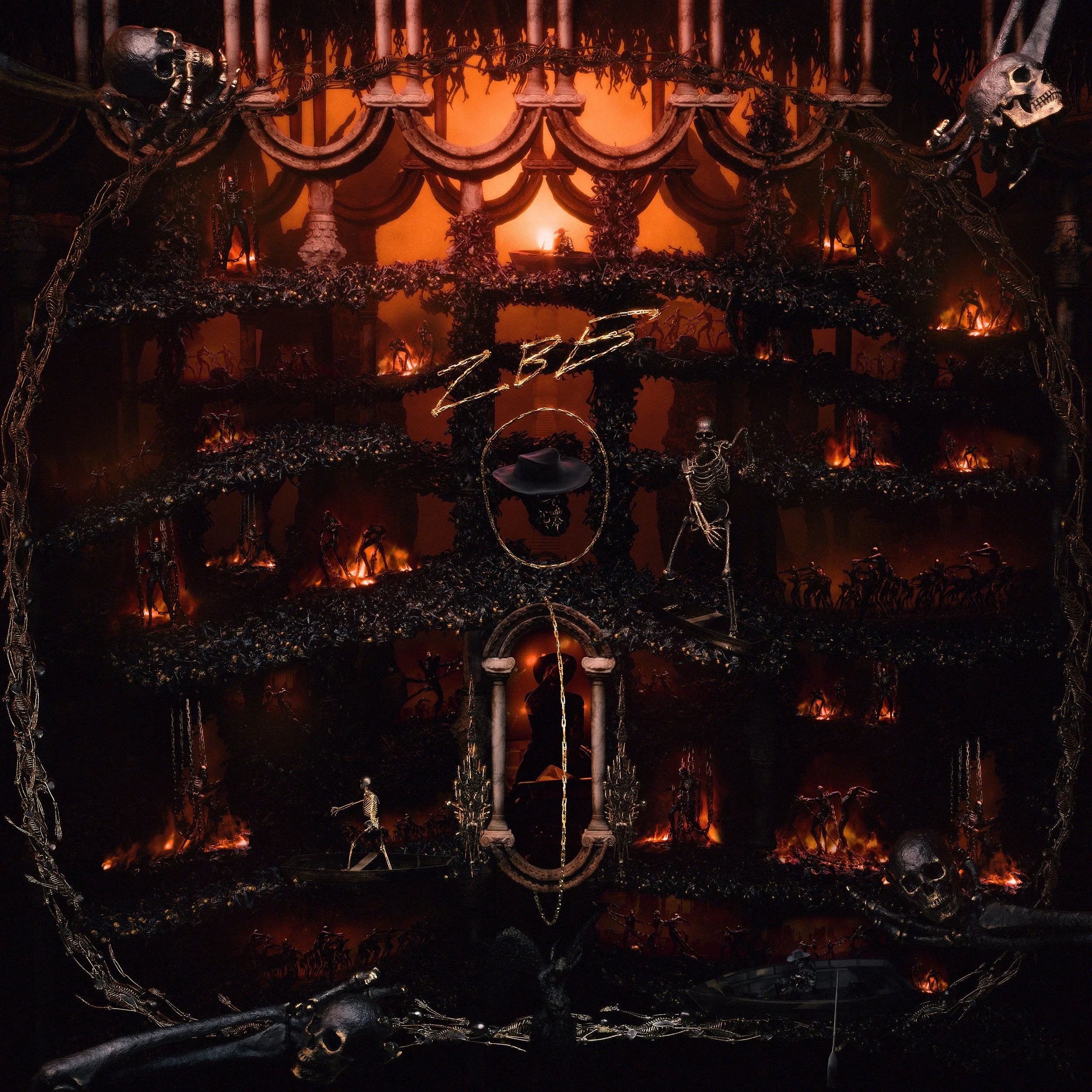
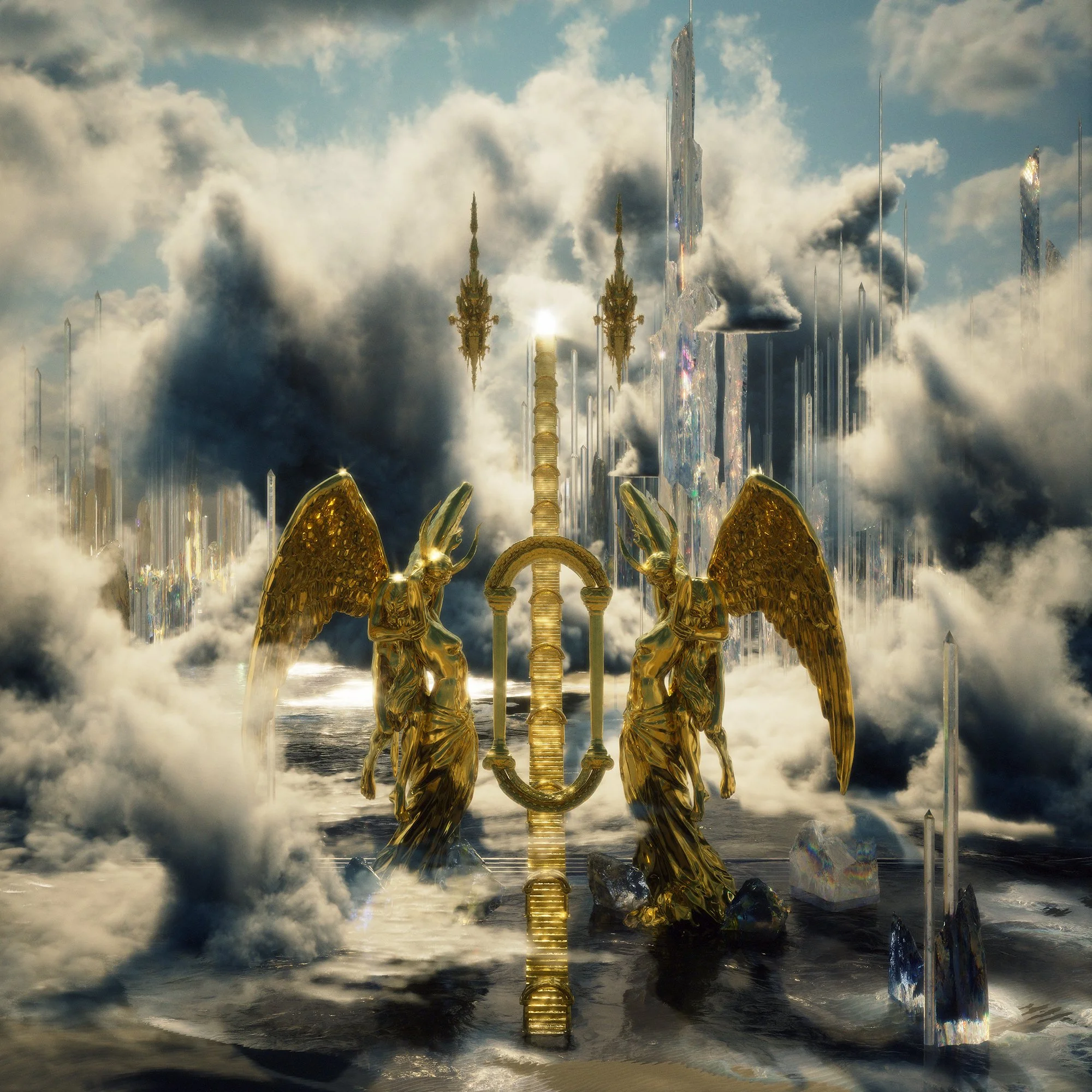
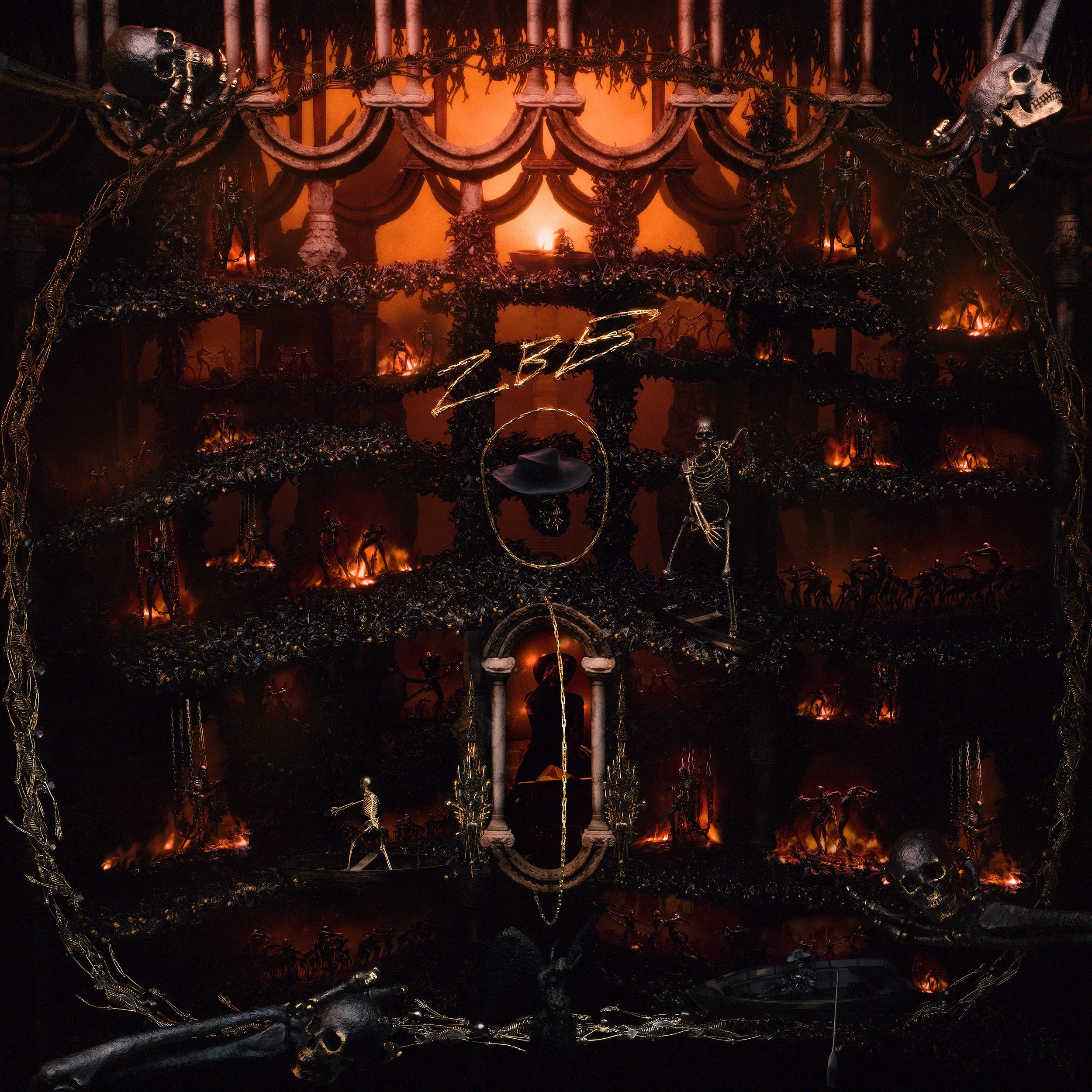
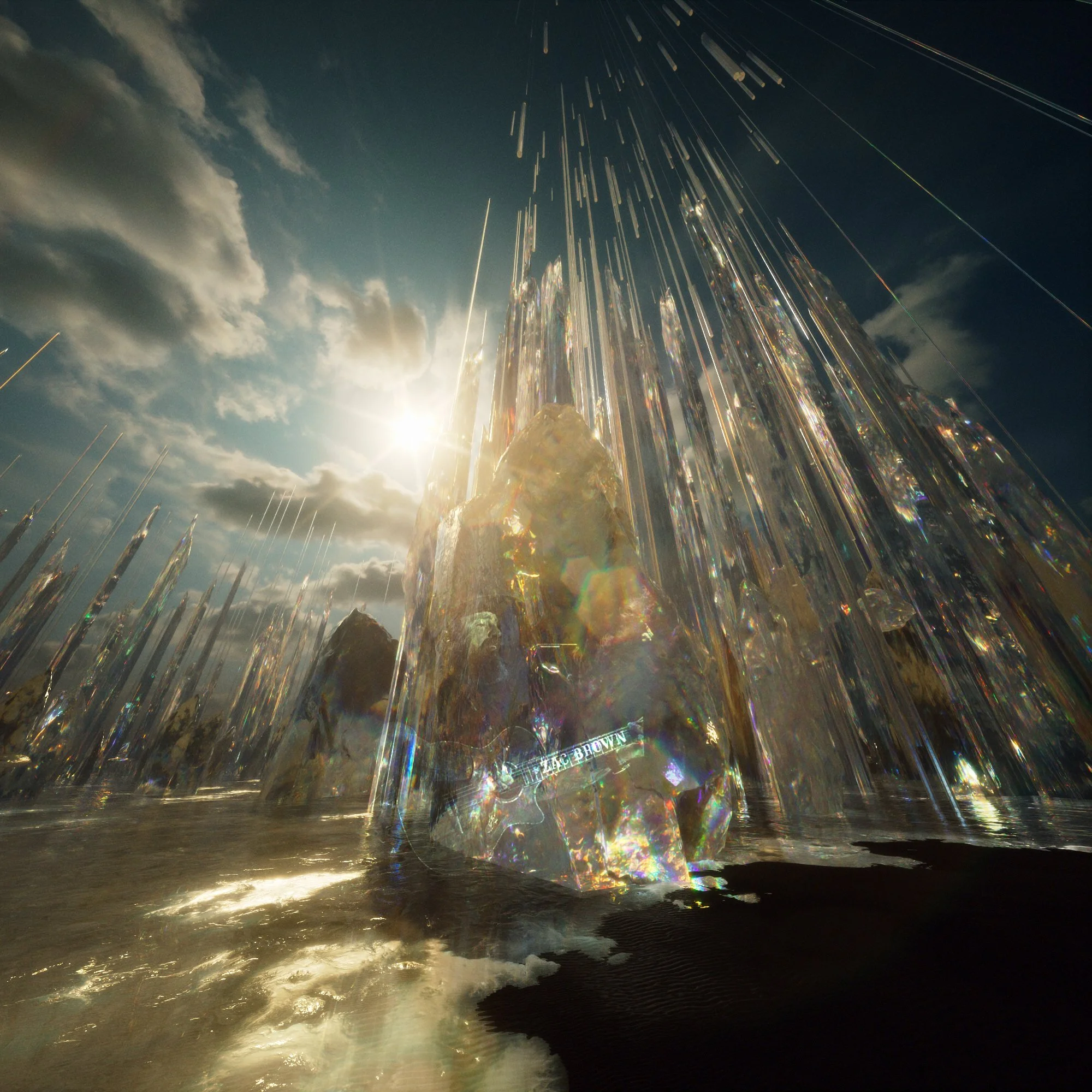
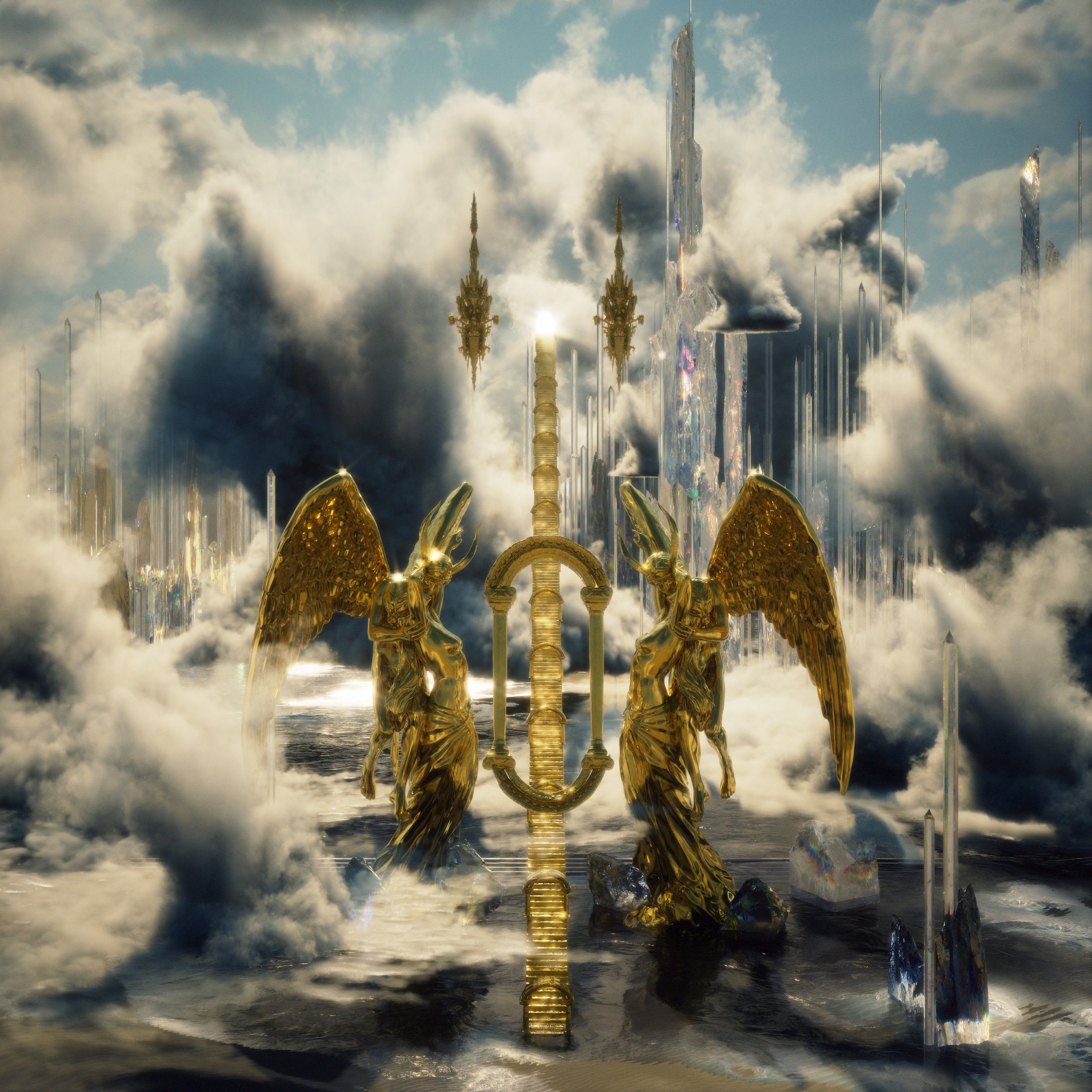
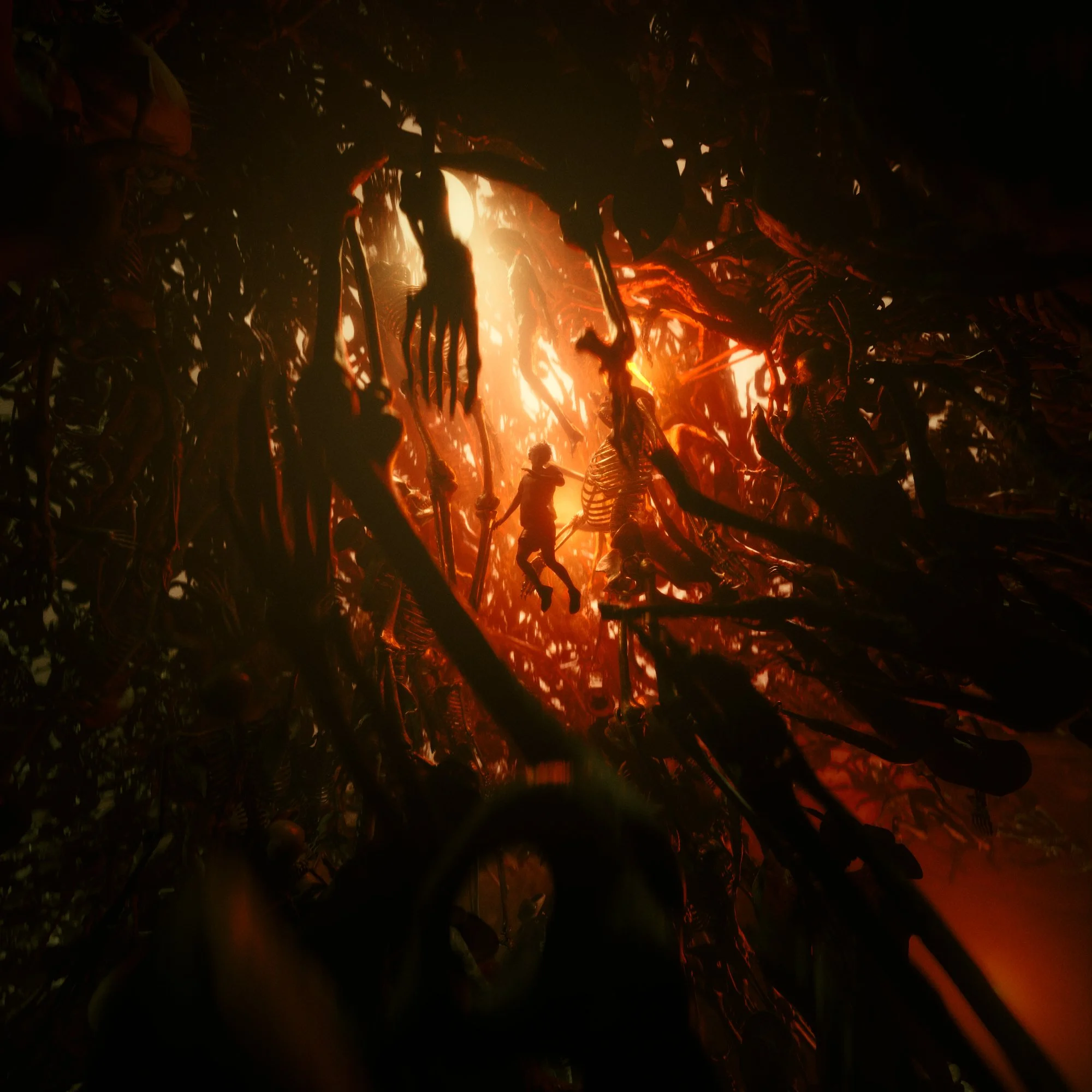
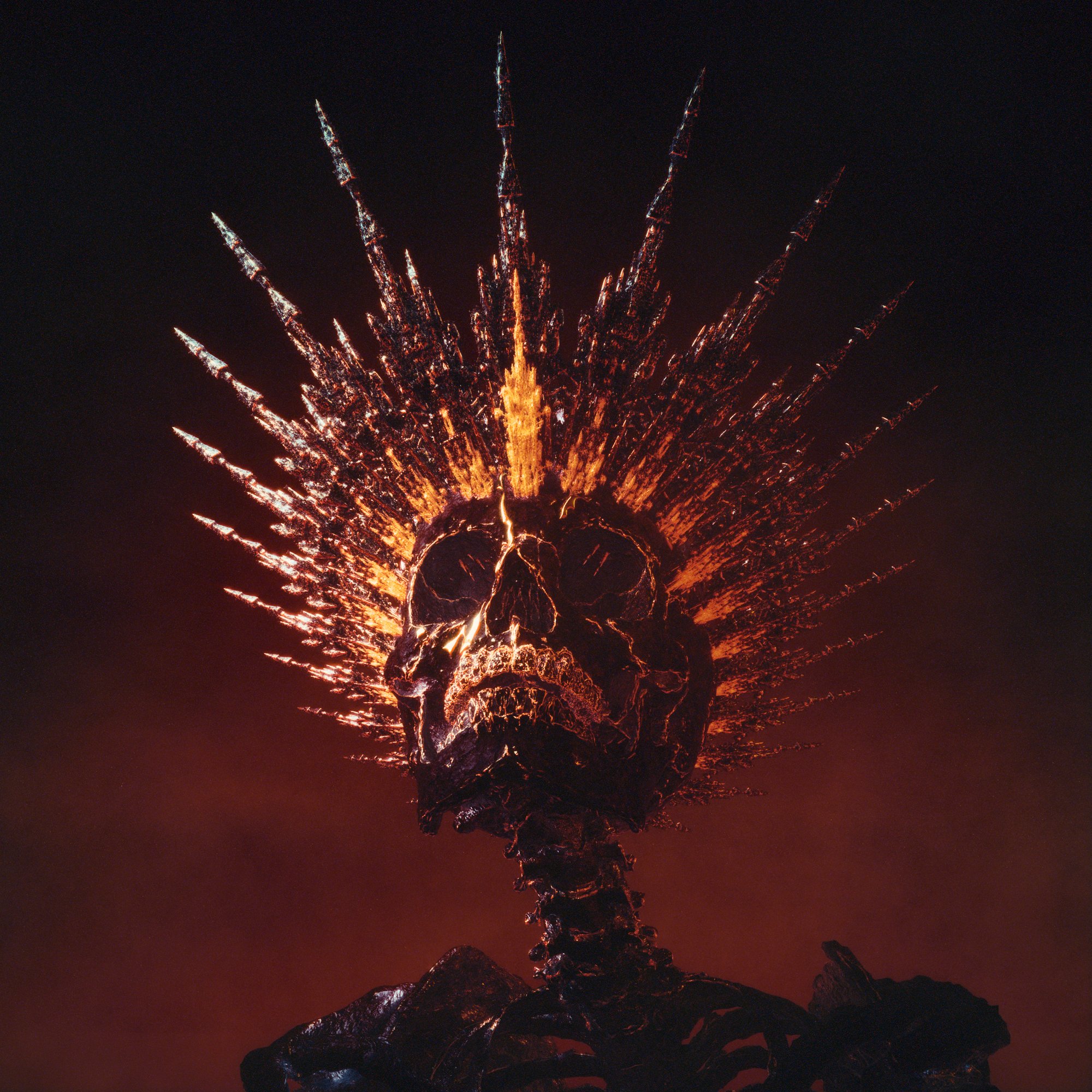
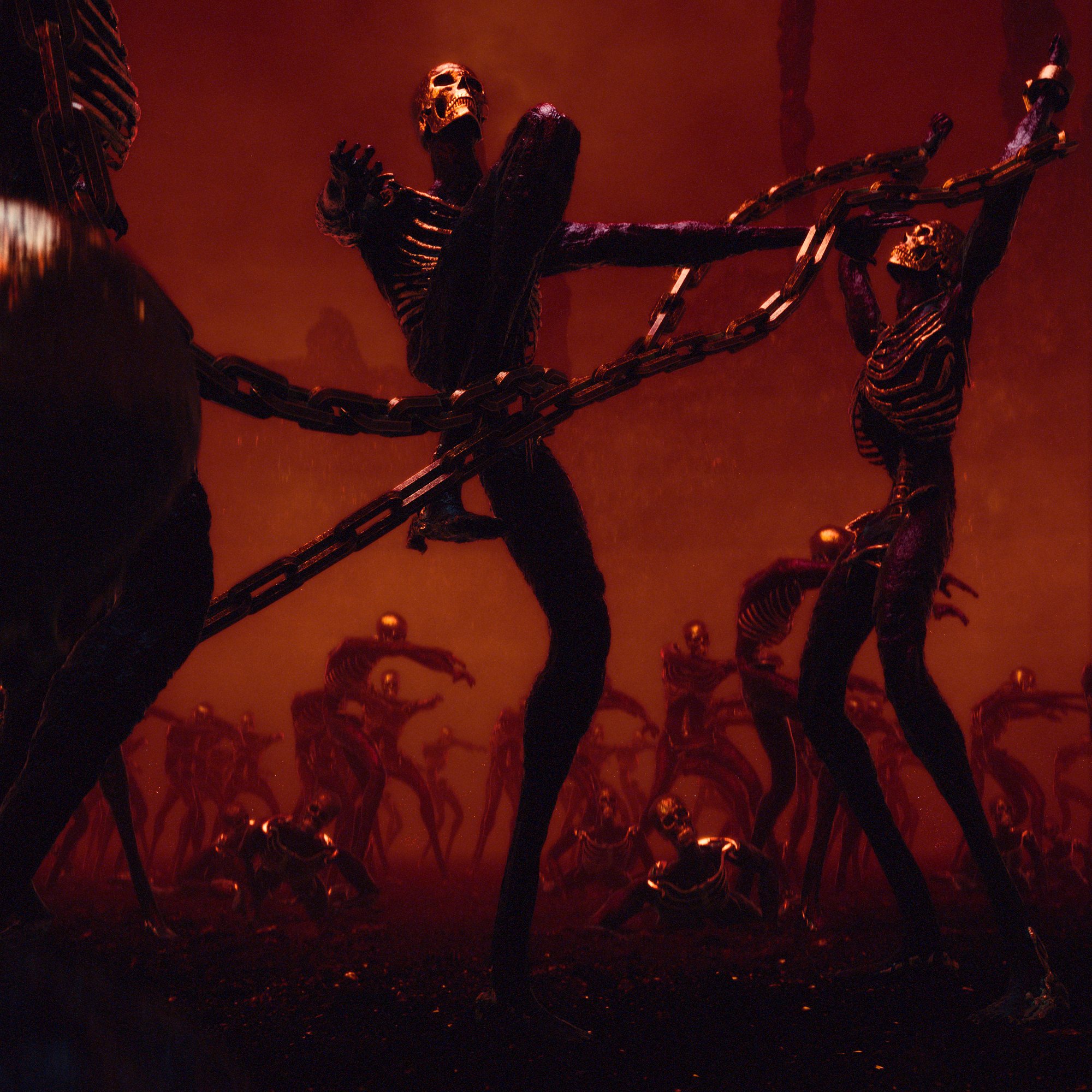
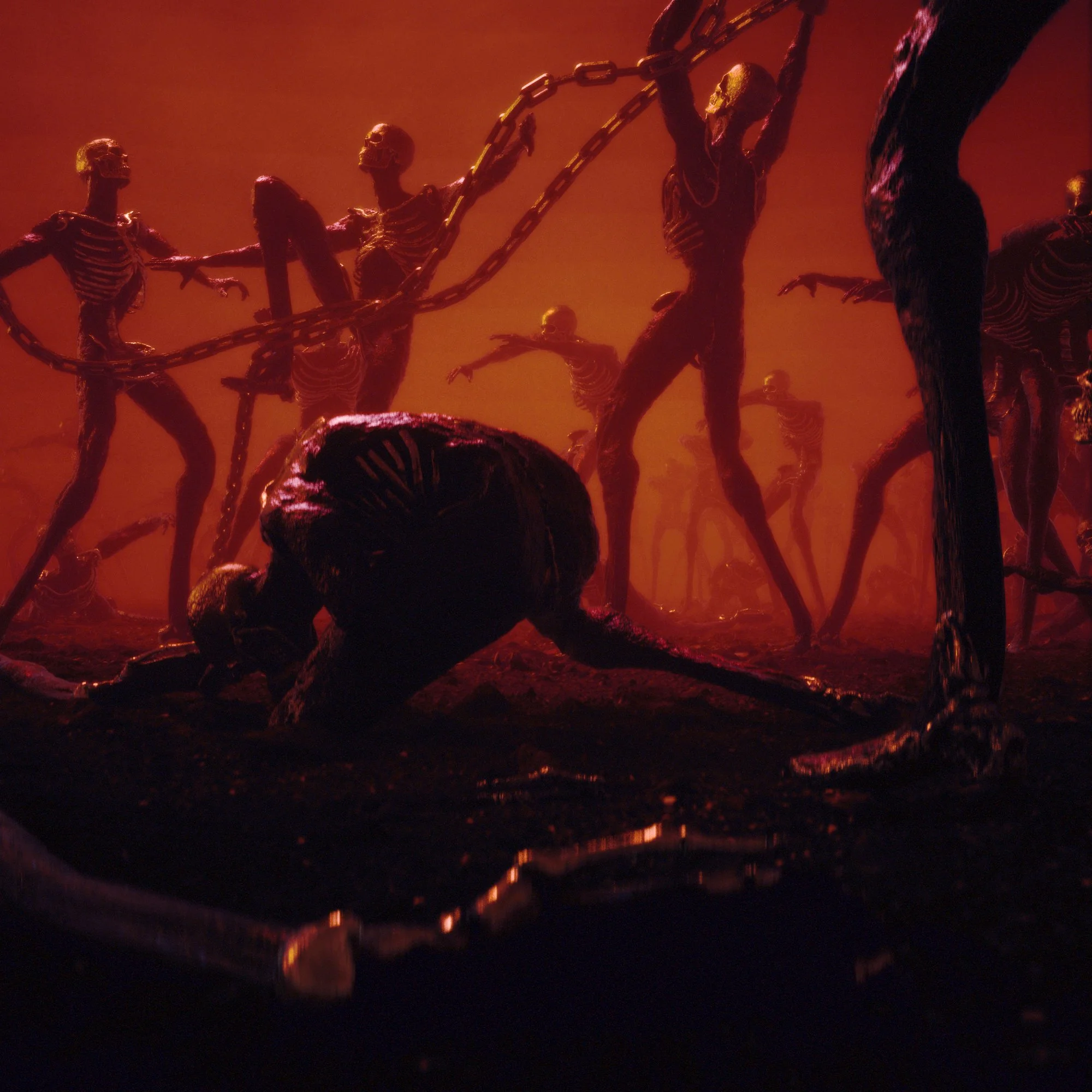
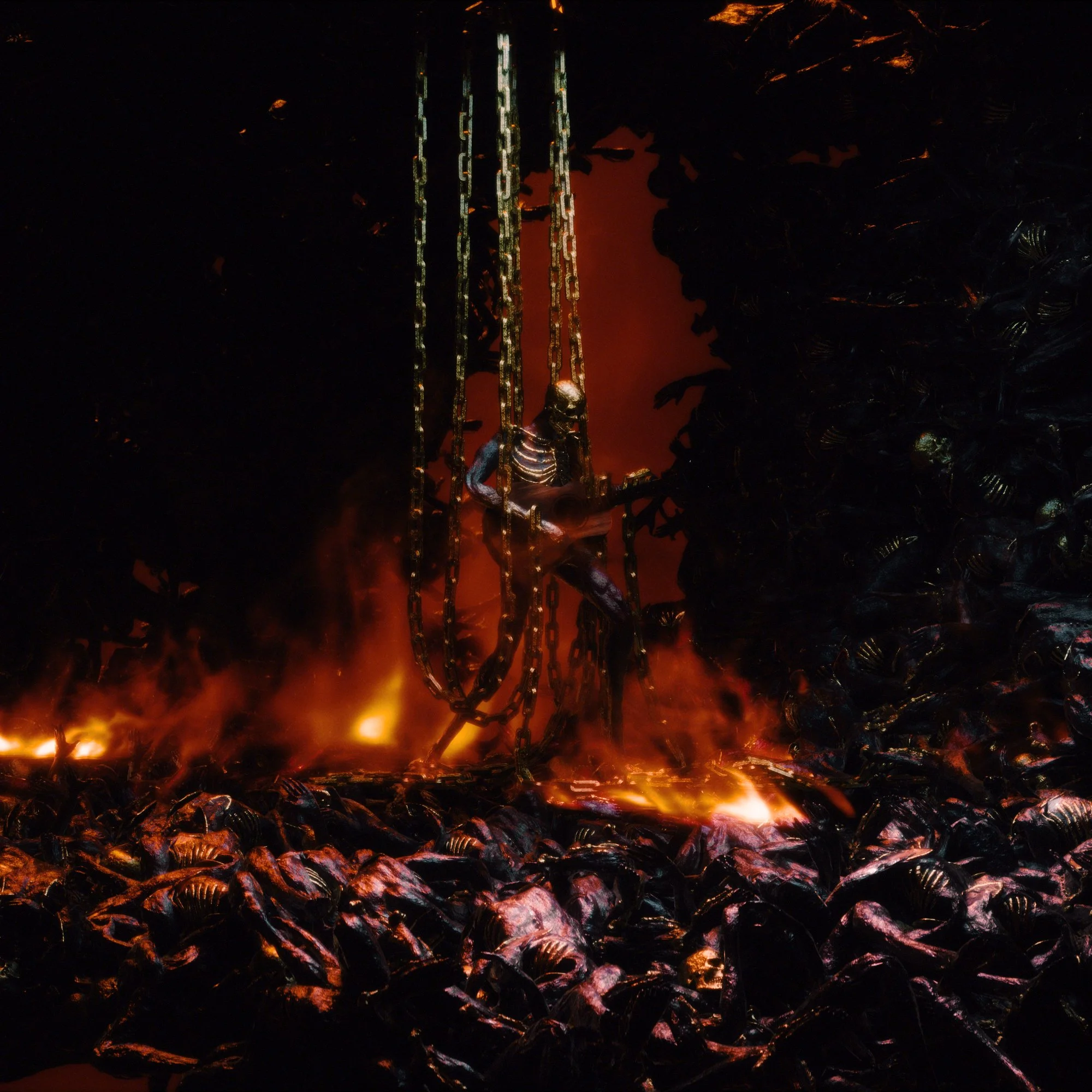
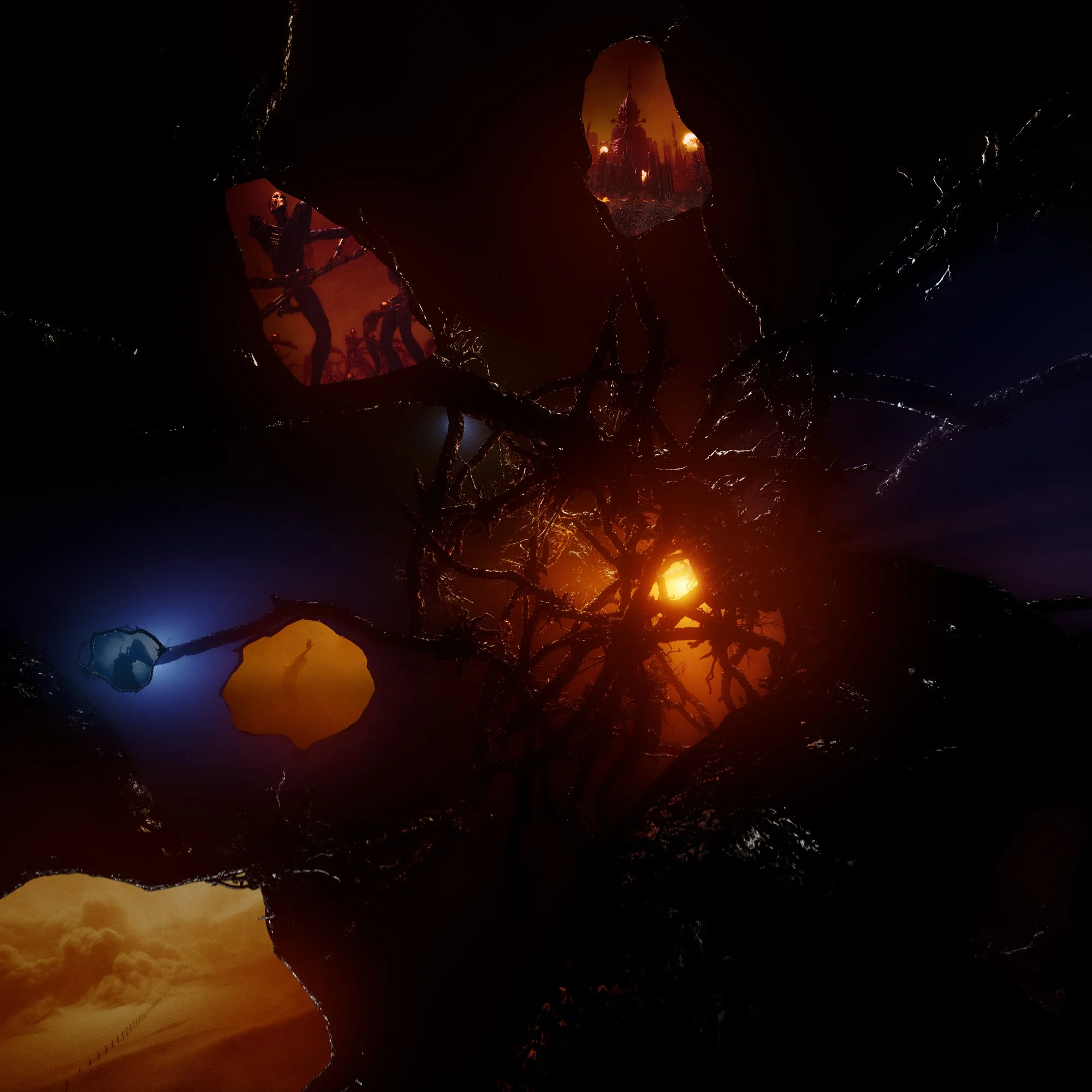
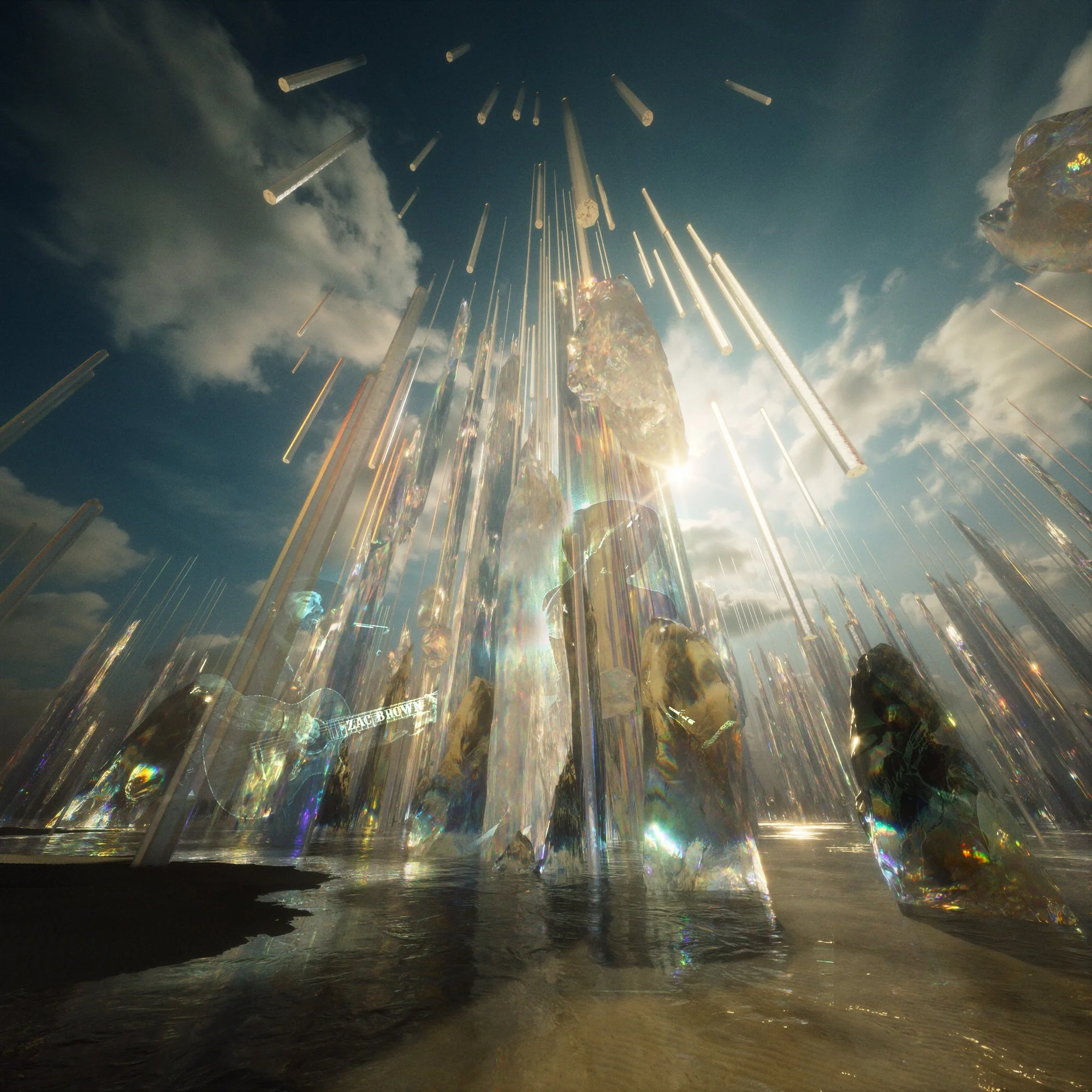
Zac Brown Band's "Love and War" transforms the Las Vegas Sphere into a cinematic autobiography, mapping the artist's journey from childhood trauma to spiritual transcendence through Joseph Campbell's Hero's Journey. The 33-song setlist unfolds across three acts: Act I plunges into Zac's inner darkness with "Heavy is the Head," where golden skeletons claw toward corrupted power within an industrial hellscape. Act II follows his Alaskan adolescence, exploring trials that forge character. Act III depicts his return as a transformed sage, culminating in "Remedy," where a crystalline city of sapphires and rubies refracts divine light, symbolizing love as universal medicine.
MY ROLE: Lead Designer and Narrative Architect at Prodigal Pictures under Creative Director Ben Hurand, alongside Art Director Marria Menshikova. I developed the Hero's Journey structure, designed the visual language for each song, and wrote detailed scene scripts, ensuring every element served the larger transformation narrative.
NARRATIVE ARCHITECTURE: WRITING THE SHOW
THE CHALLENGE
How do you transform 33 individual songs, each with its own stories and meanings, into a cohesive 2-hour character transformation arc? The lyrics weren't written to follow Joseph Campbell's Hero's Journey, yet the show needed to trace Zac's path from childhood trauma to spiritual transcendence without forcing songs into contrived narrative boxes.
THE METHODOLOGY
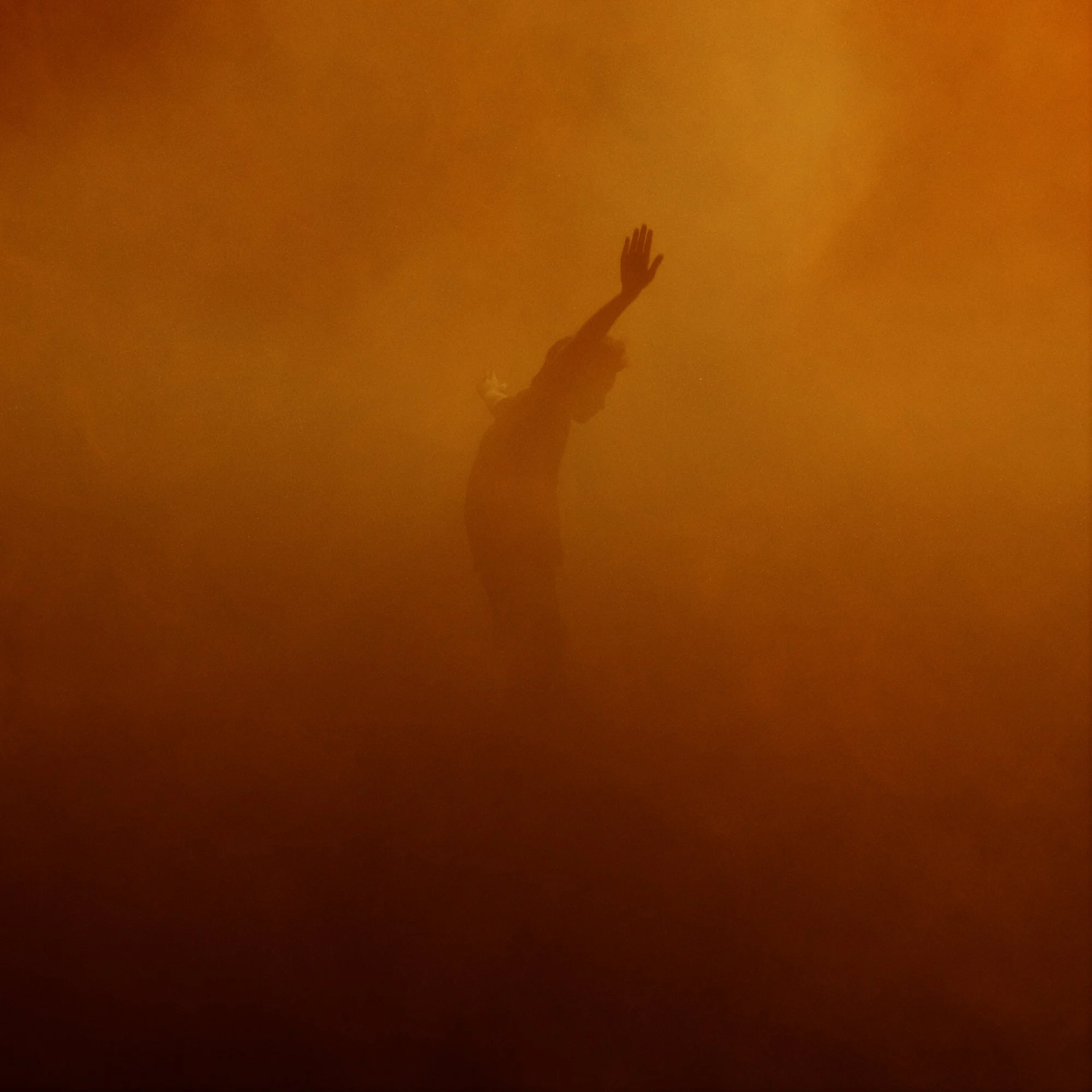
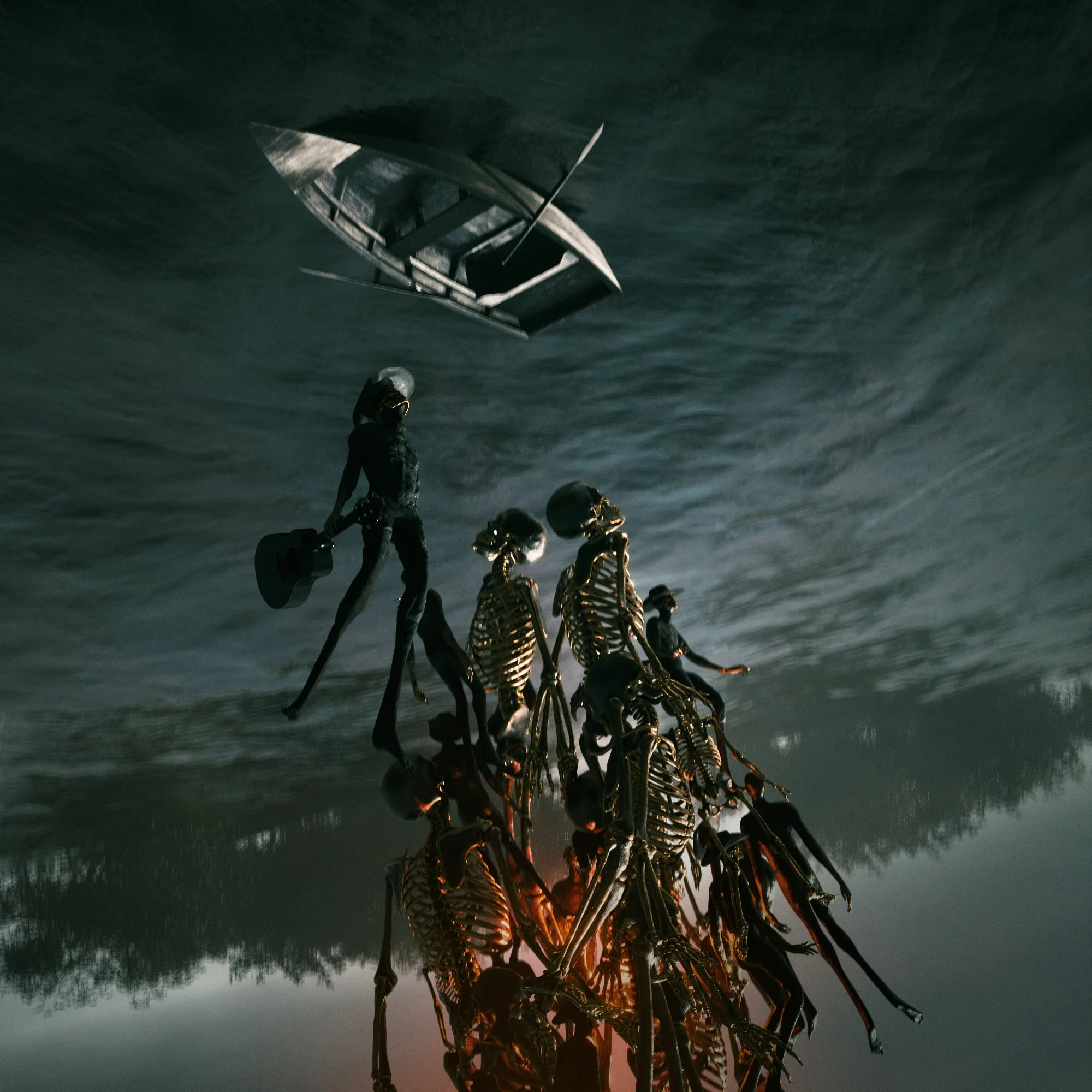
I dislocated lyrics from literal interpretation, using symbols and metaphors that could serve dual purposes: honoring each song's emotional truth while advancing Zac's character arc. Each song was structured as an independent scene with its own three-act progression (Setup-Climax-Resolution), ensuring it worked as a standalone experience. Within that structure, carefully chosen recurring symbols—golden skeletons, dust storms, fire, water, architectural portals—threaded across multiple songs to create visual and thematic continuity.
This nested structure allowed songs to function simultaneously as:
Complete individual scenes (with beginning, middle, and end)
Chapters in a larger transformation (from Act I darkness through Act II trials to Act III transcendence)
Visual poems (where symbols could shift meaning based on context)
THE FRAMEWORK
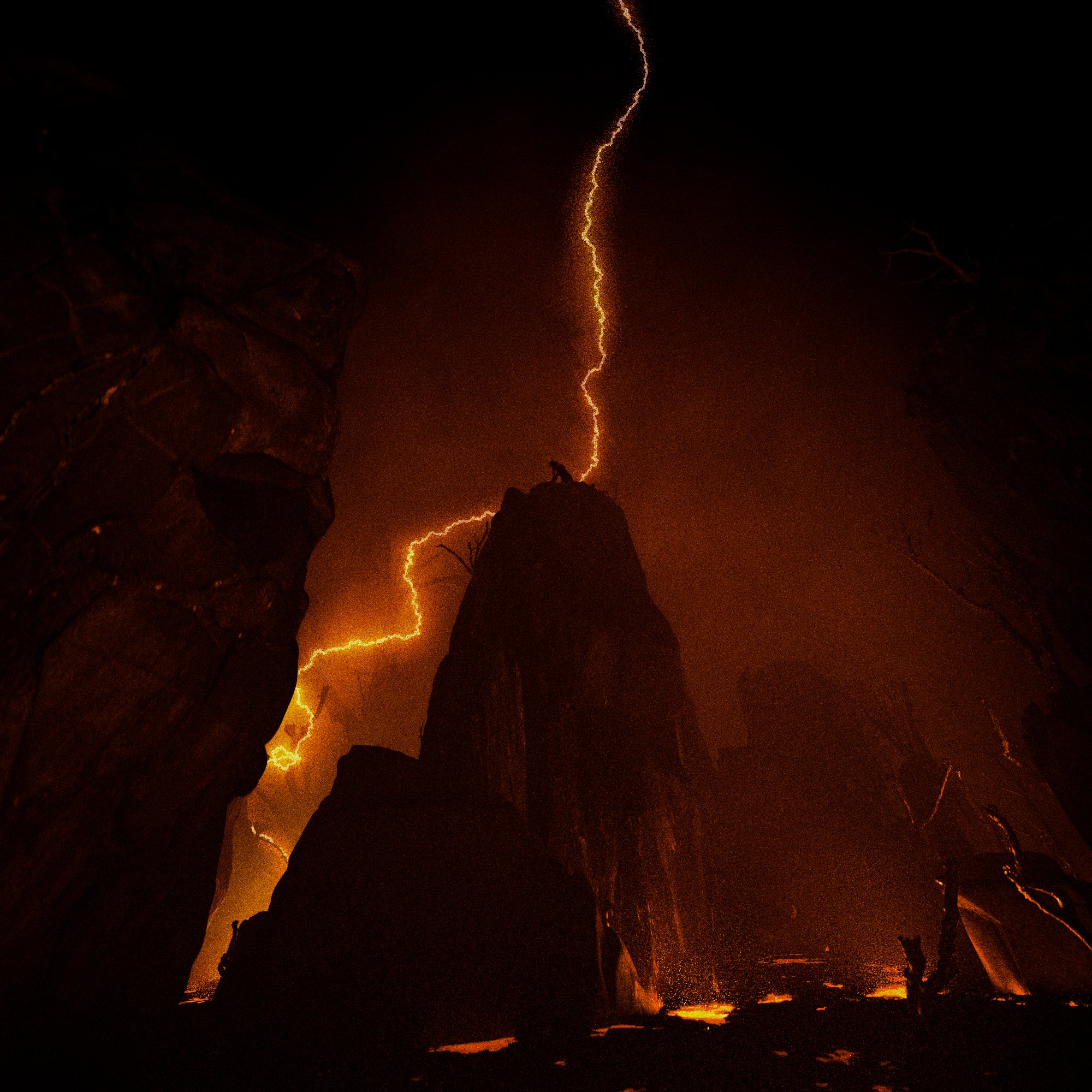
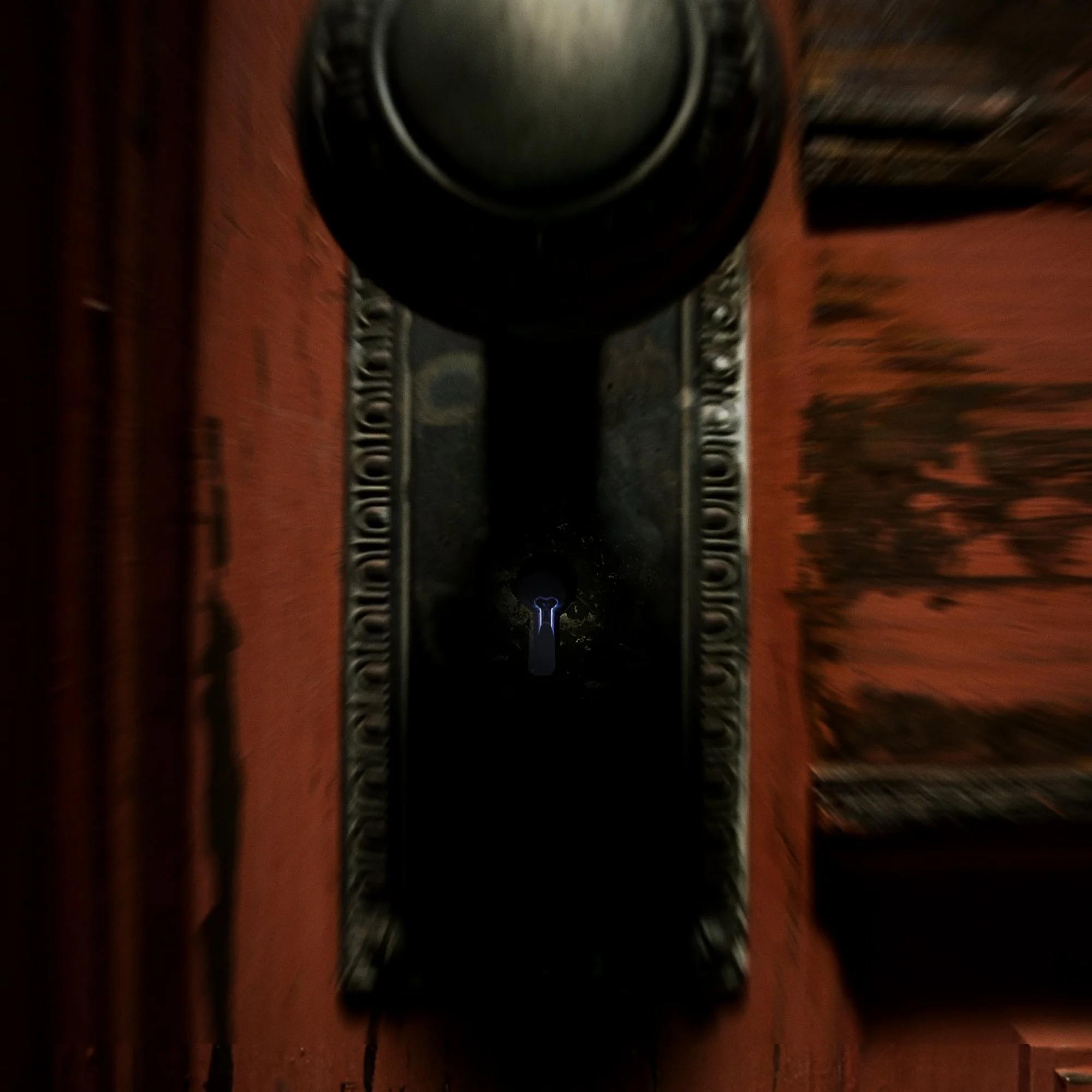
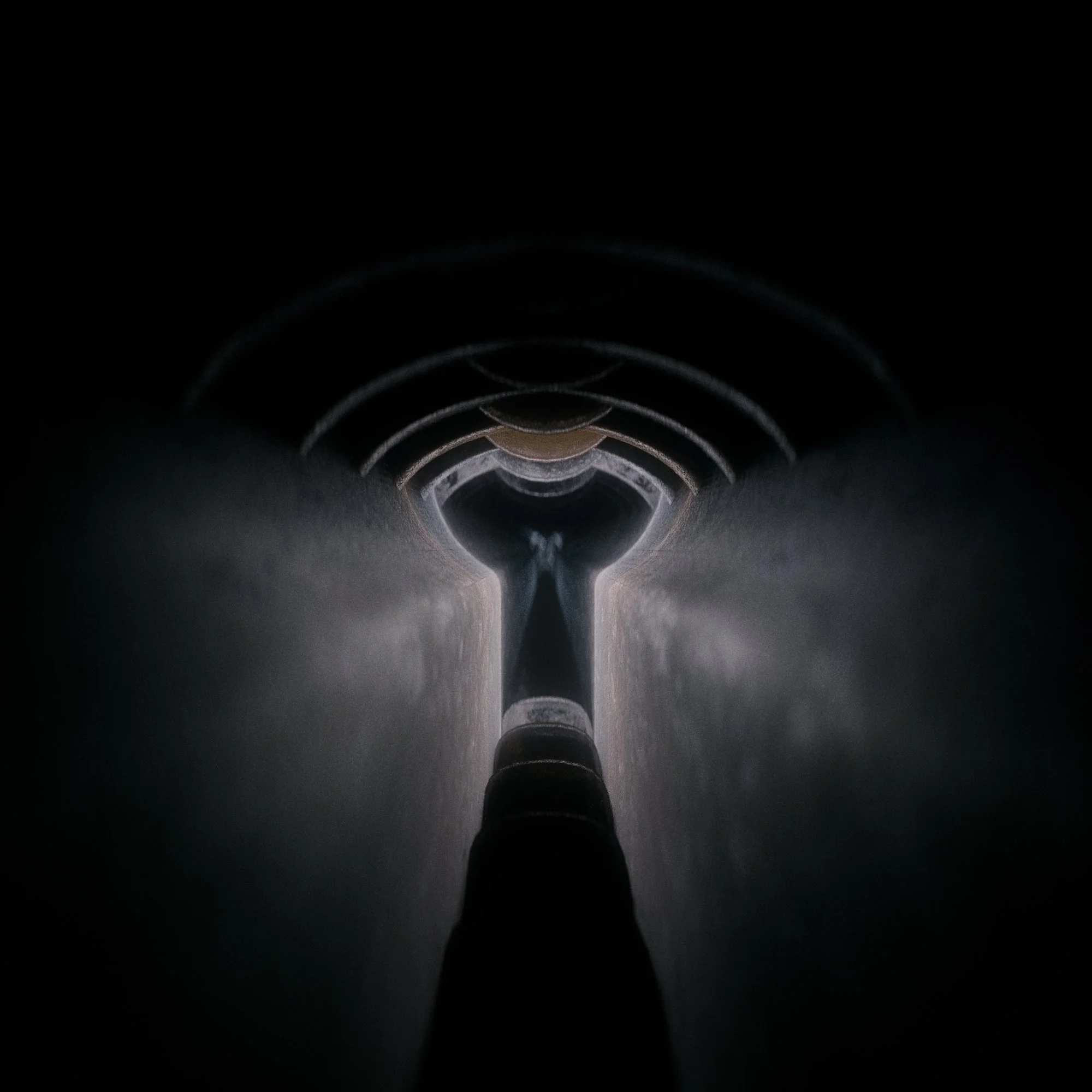
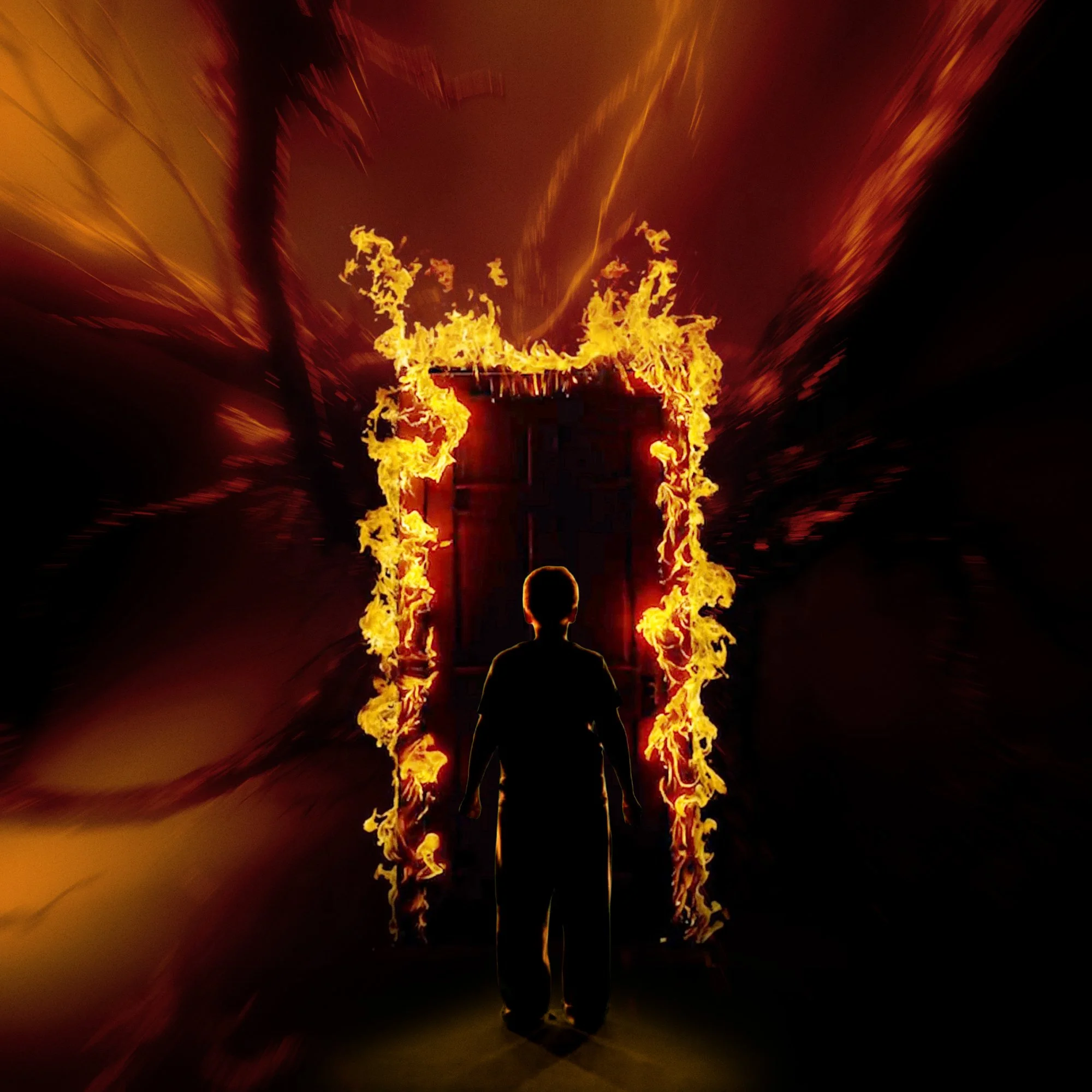
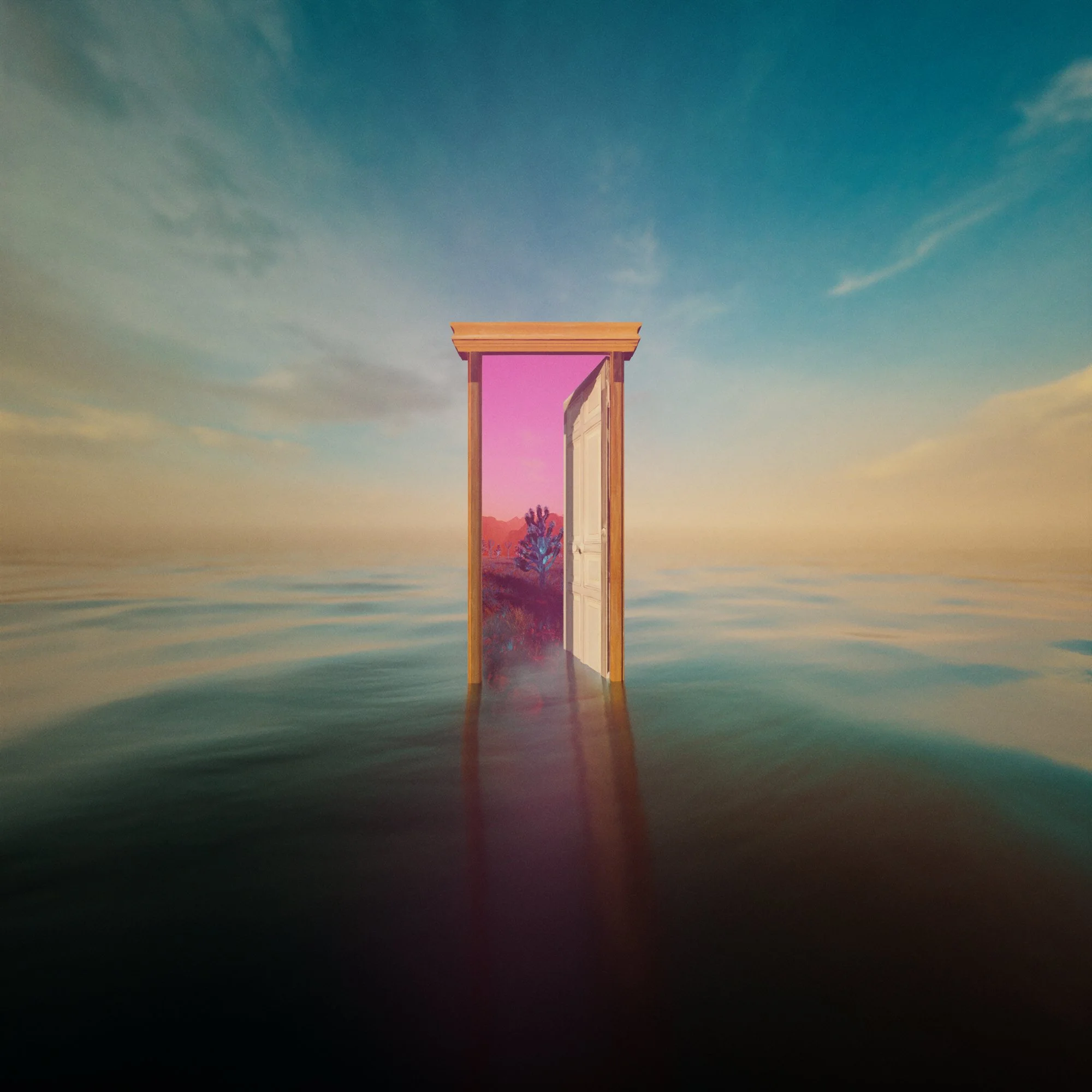
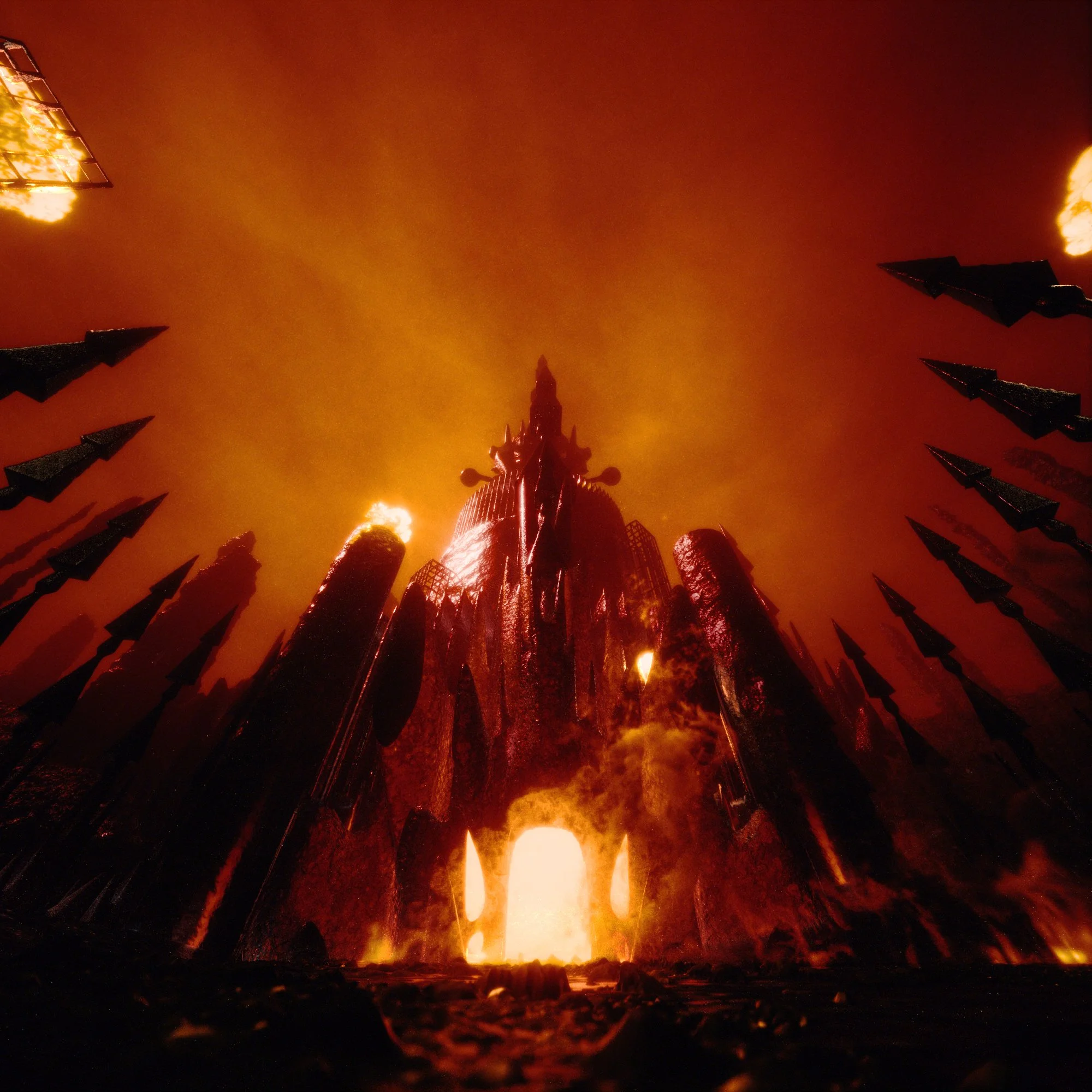
Strategic transitions between songs used architectural thresholds, doors bursting into flame, hallways dissolving constraints, windows opening to new worlds, signaling shifts in emotional state while maintaining narrative momentum. Recurring visual motifs (backlighting, silhouettes, sweeping landscapes) unified diverse aesthetics ranging from Beksiński-inspired industrial nightmares to ethereal cloud journeys, ensuring 33 distinct visual experiences still felt like one cohesive story.
The result: a show where every song feels complete on its own, yet 33 individual stories compound into one transformation, from an isolated burden to spiritual connection, from a heavy head to a remedy.
PRODUCTION CONTEXT
These visual concepts were developed at Prodigal Pictures under Creative Director Ben Hurand, who maintained the show's creative vision throughout production. My primary contribution extended beyond design and art direction to include narrative development, writing, and structuring each song with detailed three-act scripts that ensured every visual element served the larger story. My design frames were built to be production-ready, allowing animators to jump straight into previs.
This case study represents the original setlist design. While not all songs were ultimately produced, and the setlist evolved over the year-long project, several concepts were passed to other production companies who maintained the narrative foundations established in initial development.
Collaborators: Creative Director Ben Hurand, Art Director Marria Menshikova, in collaboration with Zac Brown and Tyler Lord.
BIBLICAL AND LITERARY INFLUENCES
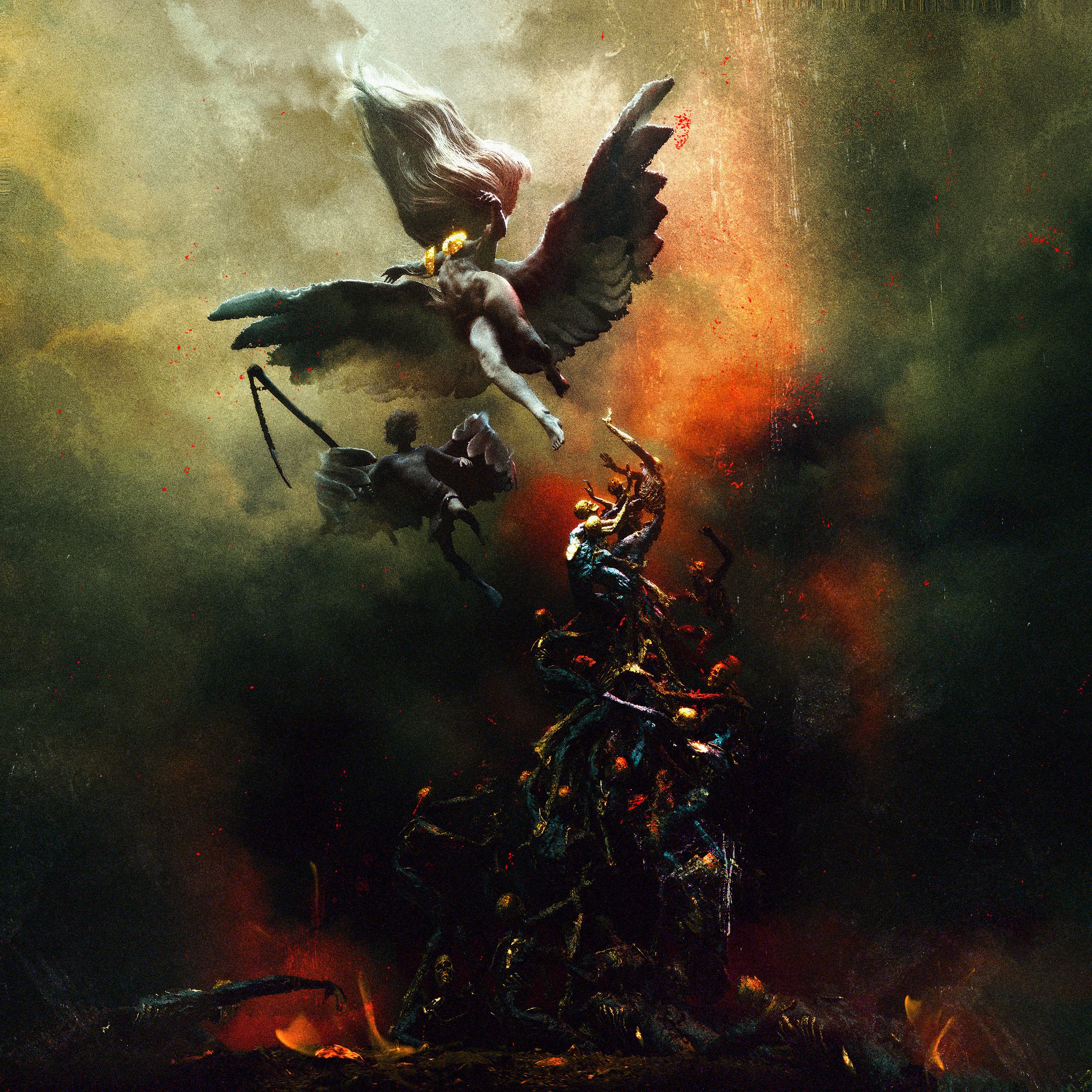
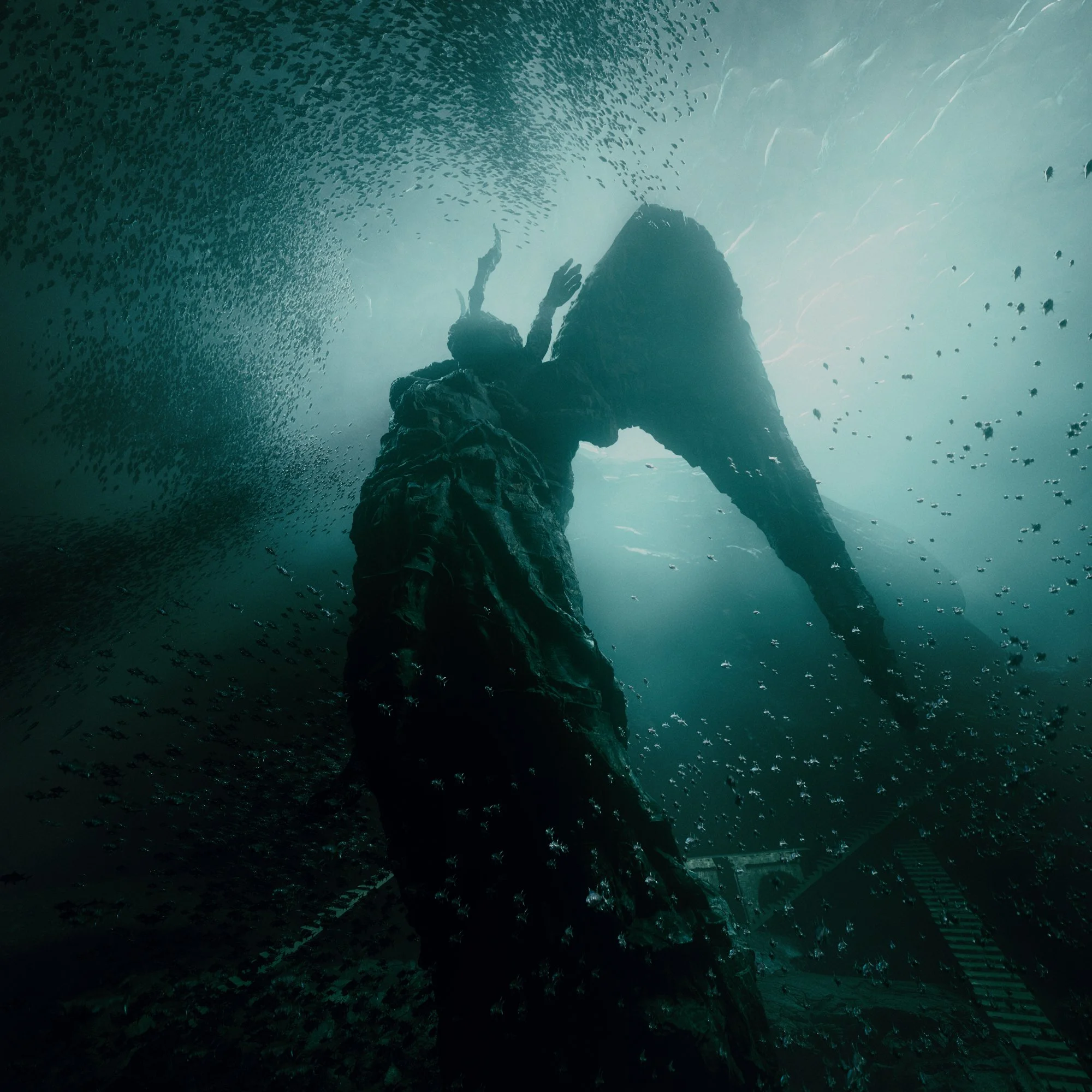
Spiritual transformation formed the narrative backbone, drawing from biblical imagery and dark Renaissance art. The show traces a path from Dante's Inferno through Hieronymus Bosch's hellscape paintings to Isaiah 54:11-17, where sapphires and rubies represent God's restoration. The demon cowboy antagonist draws from Judge Holden in Cormac McCarthy's "Blood Meridian," representing seductive evil. Fire becomes biblical purification; water symbolizes rebirth. The journey inverts hell into heaven's golden gates, embodying the promise that love leads us all to the promised land.

CHARACTER DESIGN: THE INNER CHILD
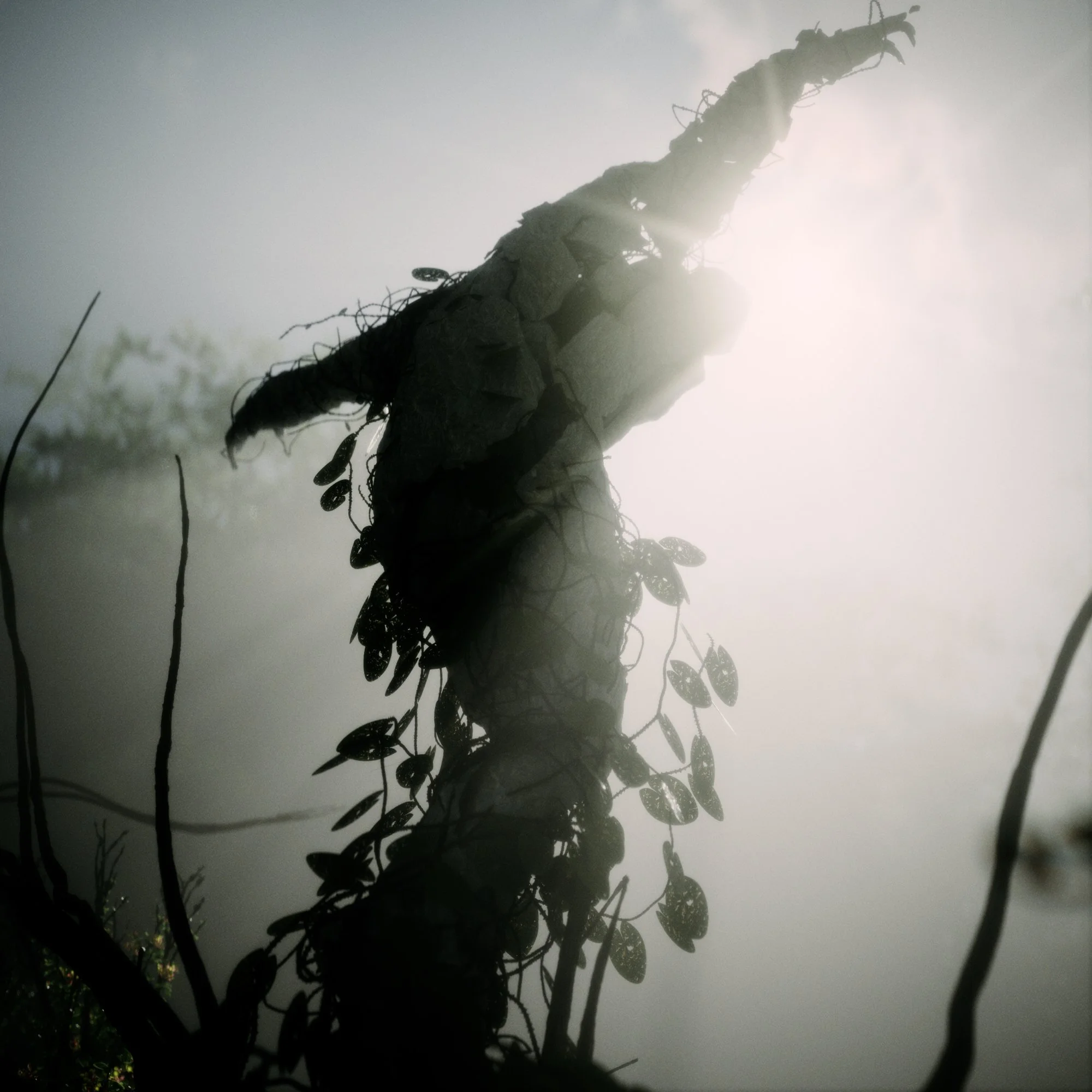
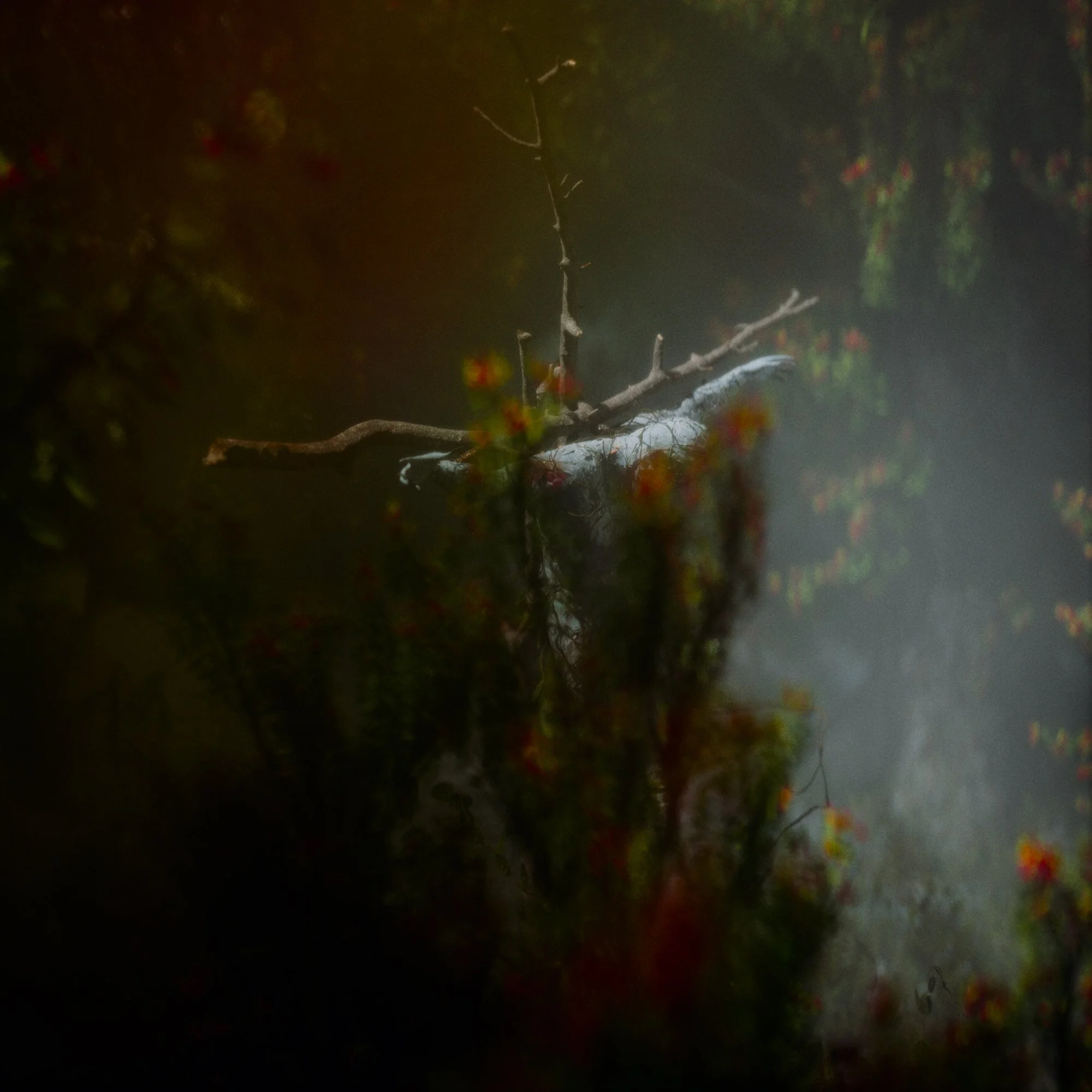
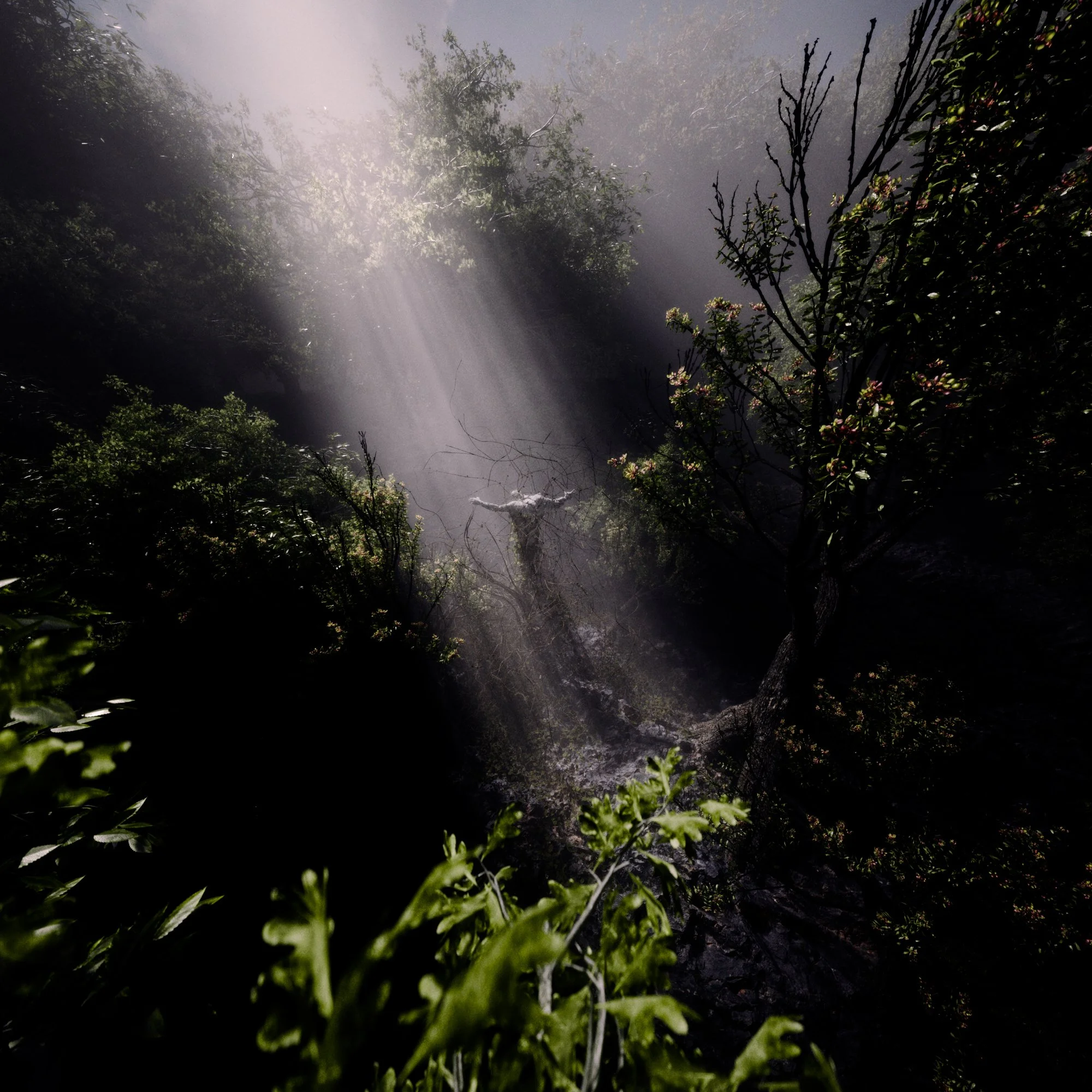
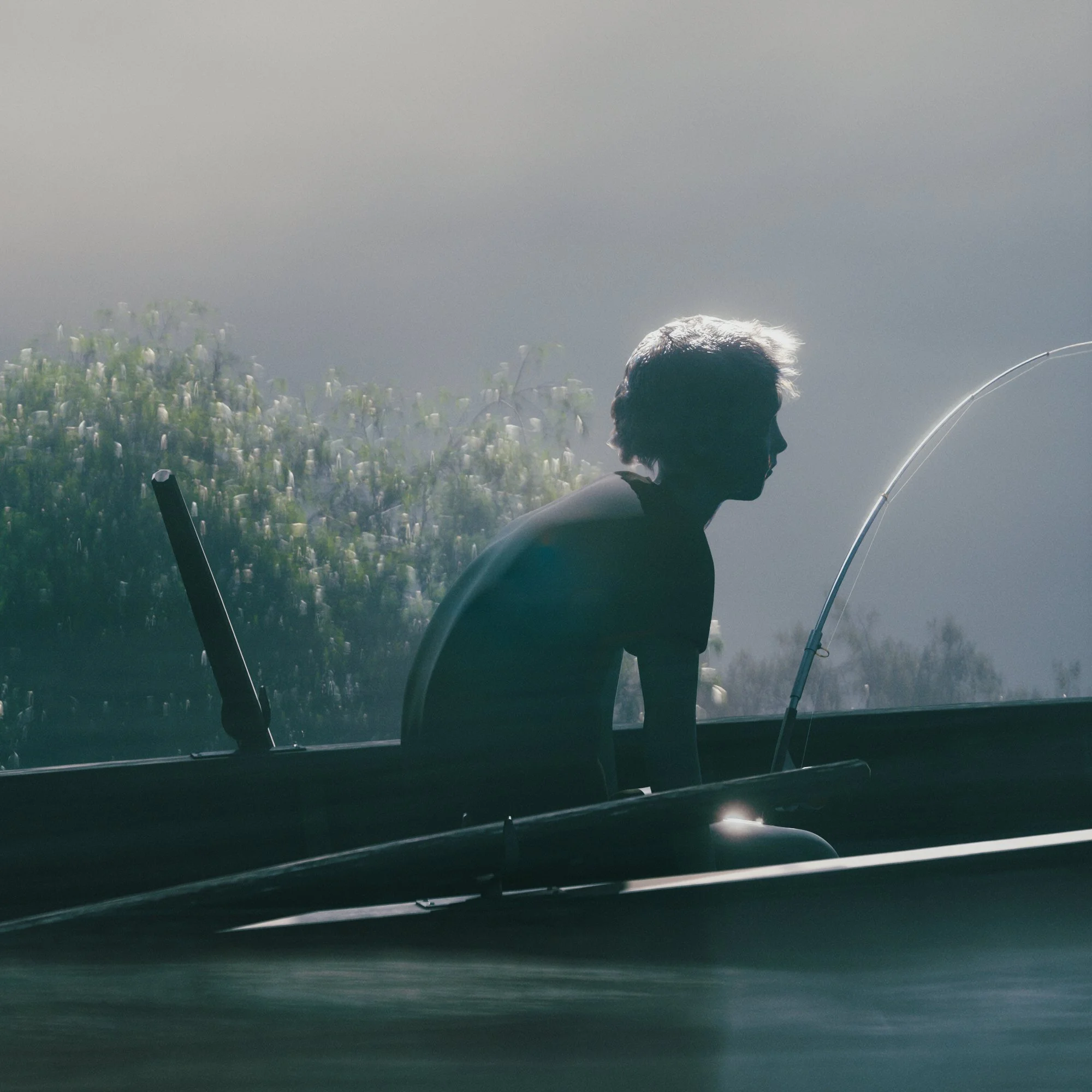
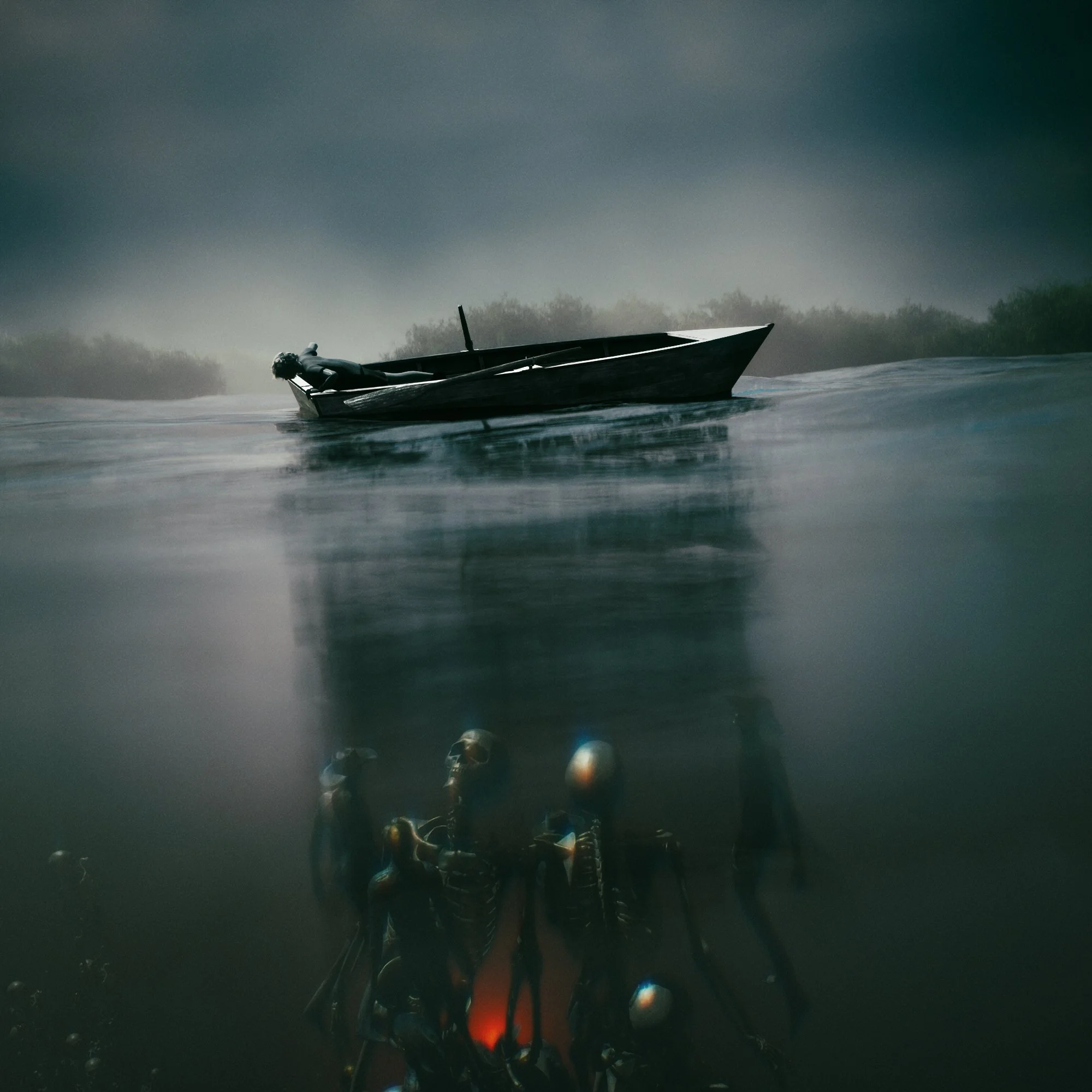
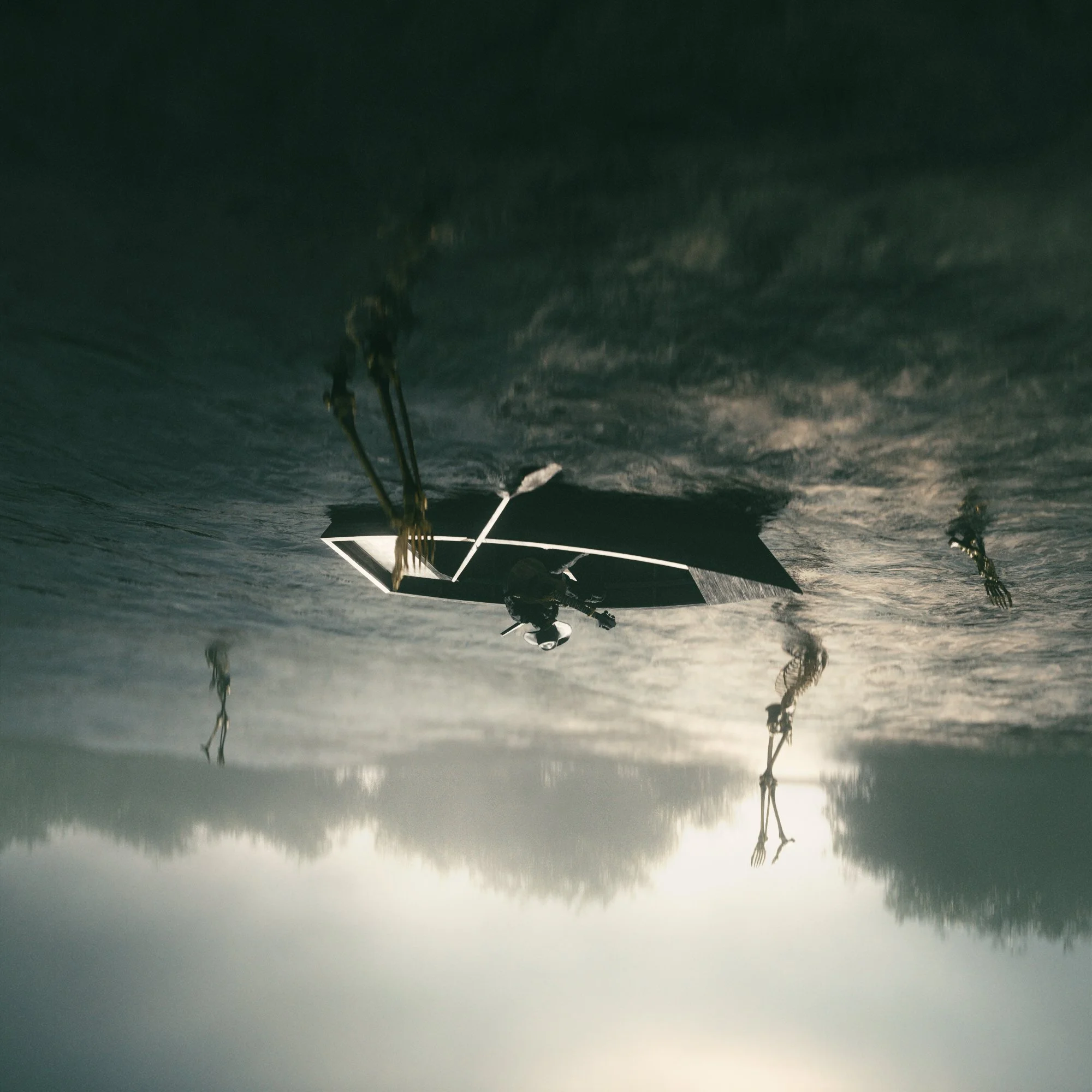
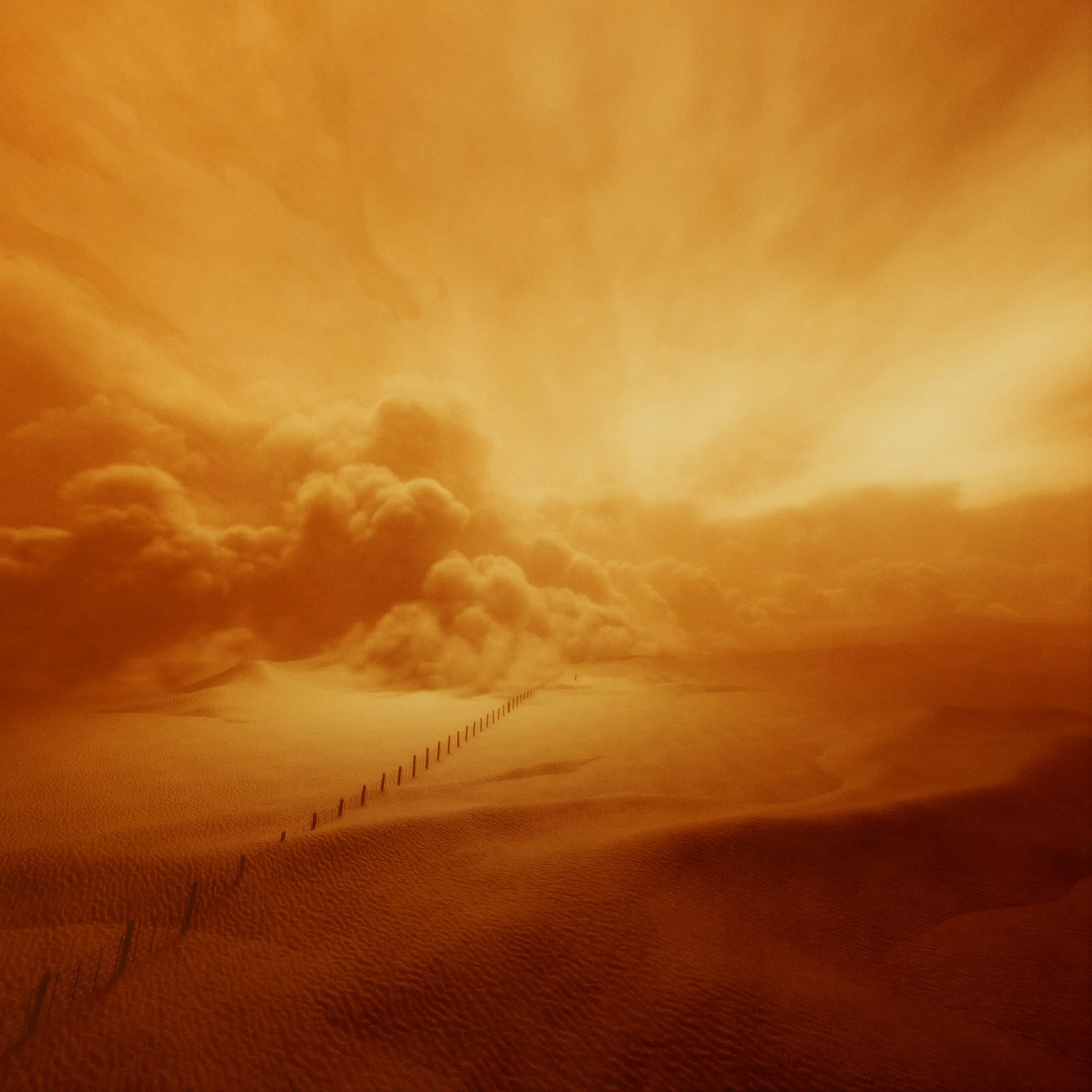
The visual protagonist manifests as Zac's childhood self, rooted in Jungian psychology's concept of the inner child carrying unhealed trauma into adulthood. Throughout Act I, the boy appears vulnerable, clinging to fence posts during dust storms, fishing above demonic depths. As the Hero's Journey progresses, he transforms through trials, learning from his father and experiencing first love. The metamorphosis culminates in "Remedy," where live-action footage shows adult Zac standing alongside his younger self, symbolizing reconciliation between the wounded child and the healed man.
CHARACTER DESIGN: THE INNER DEMONS
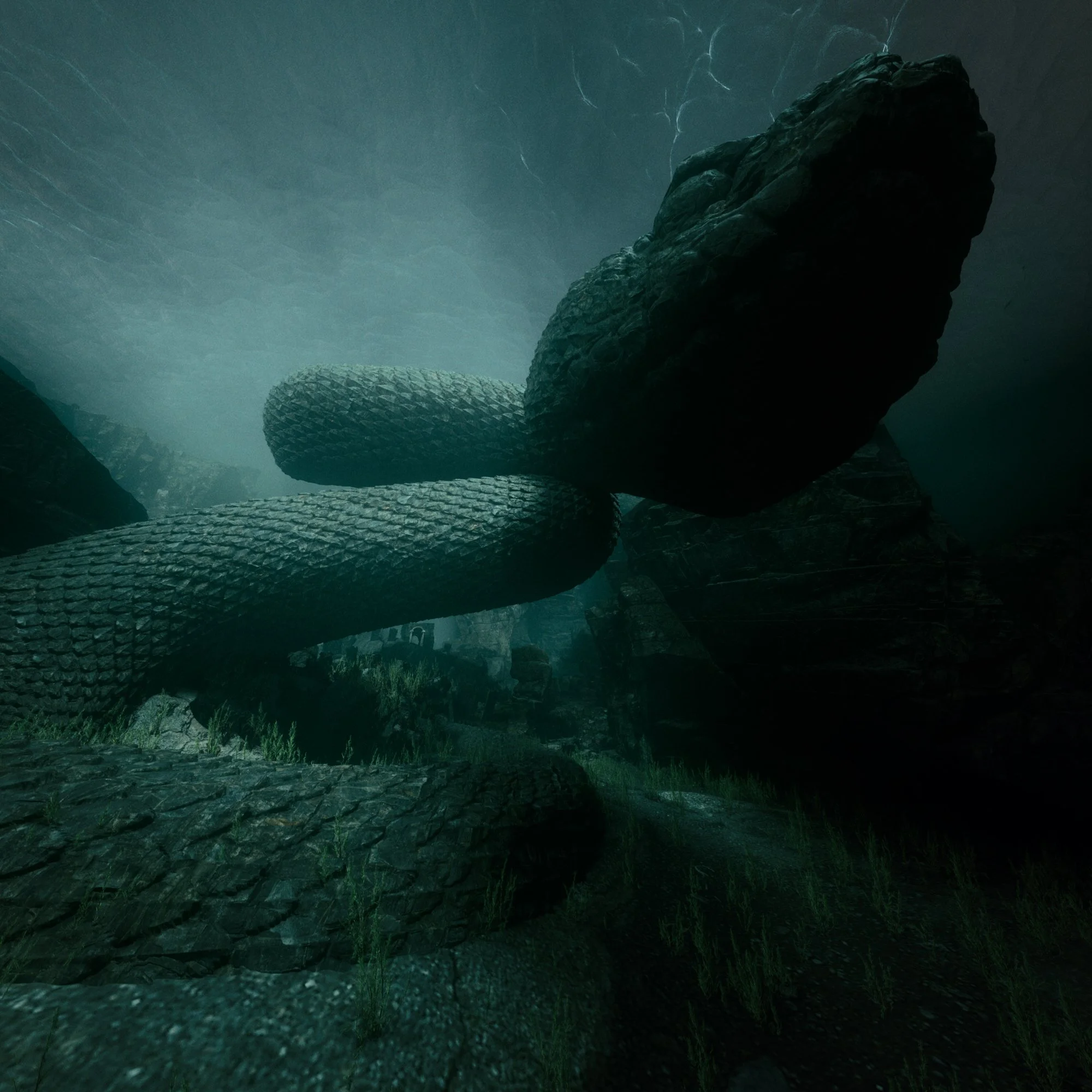
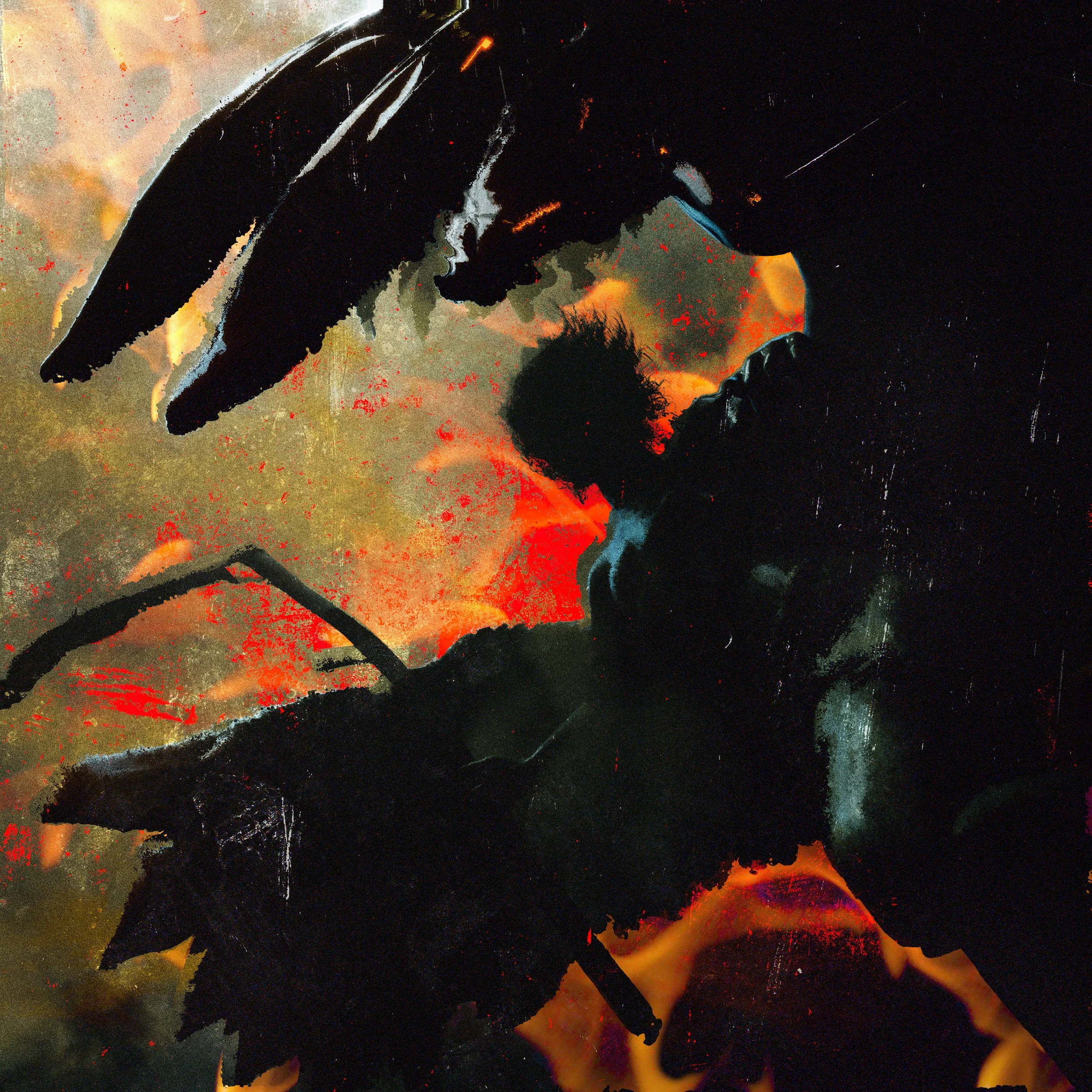
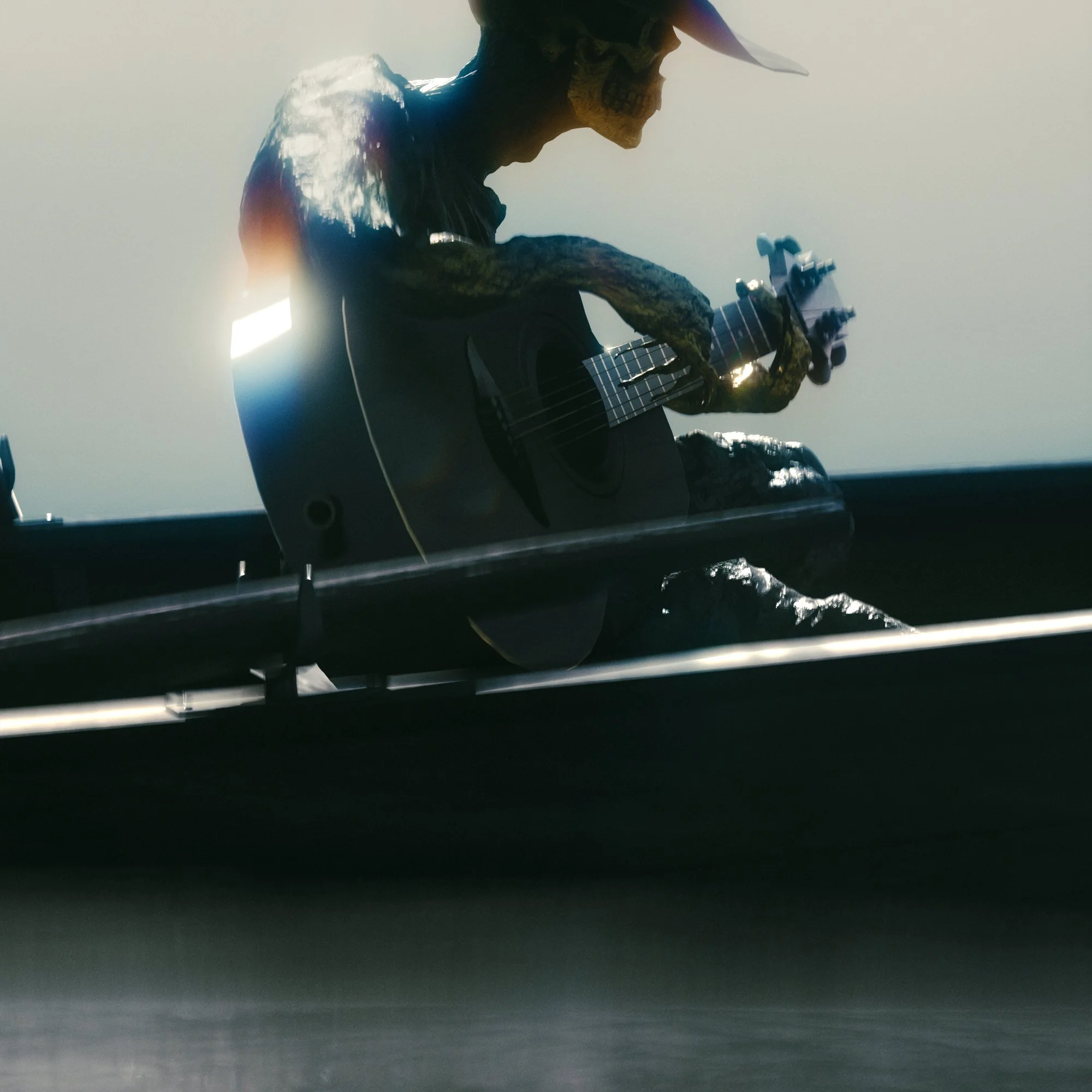
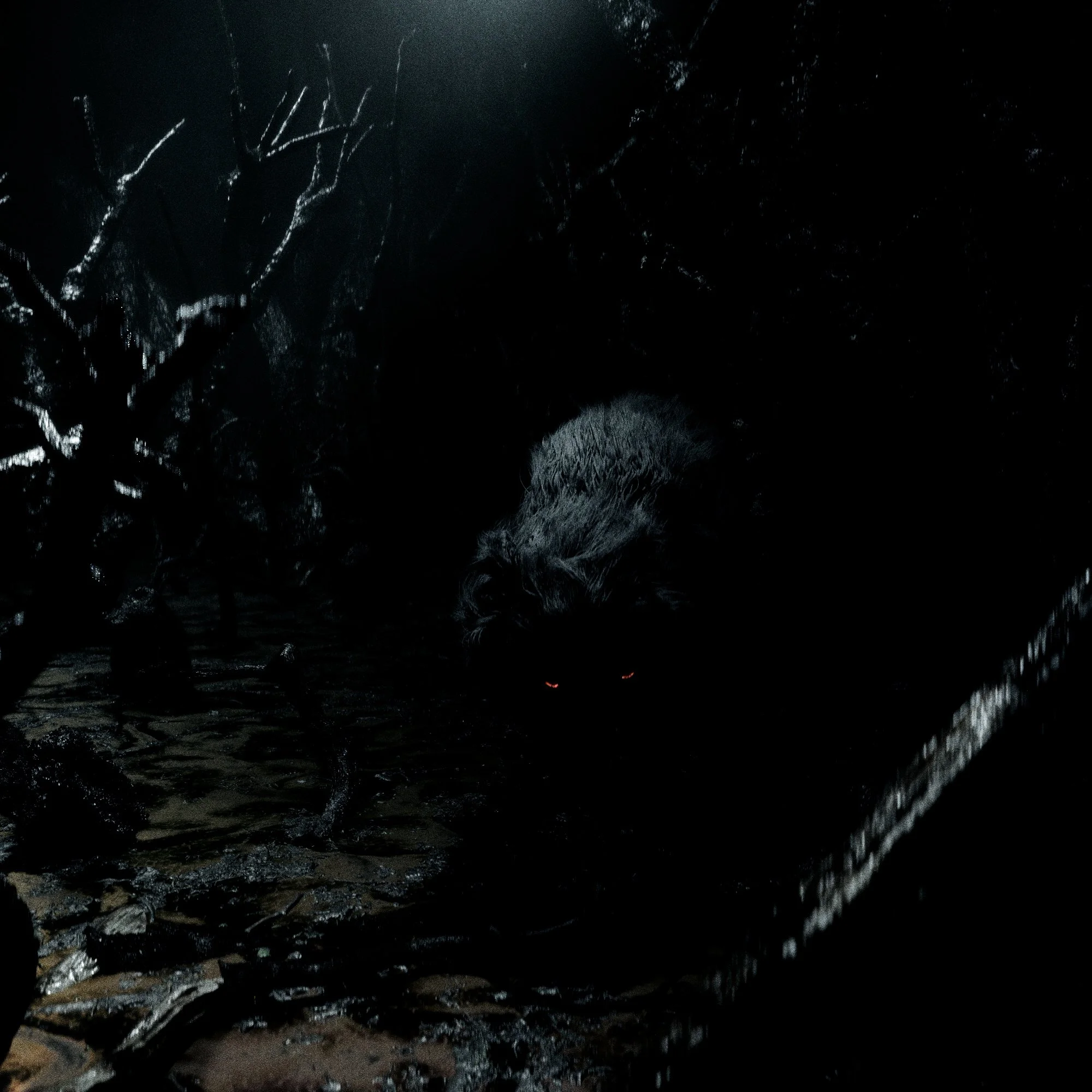
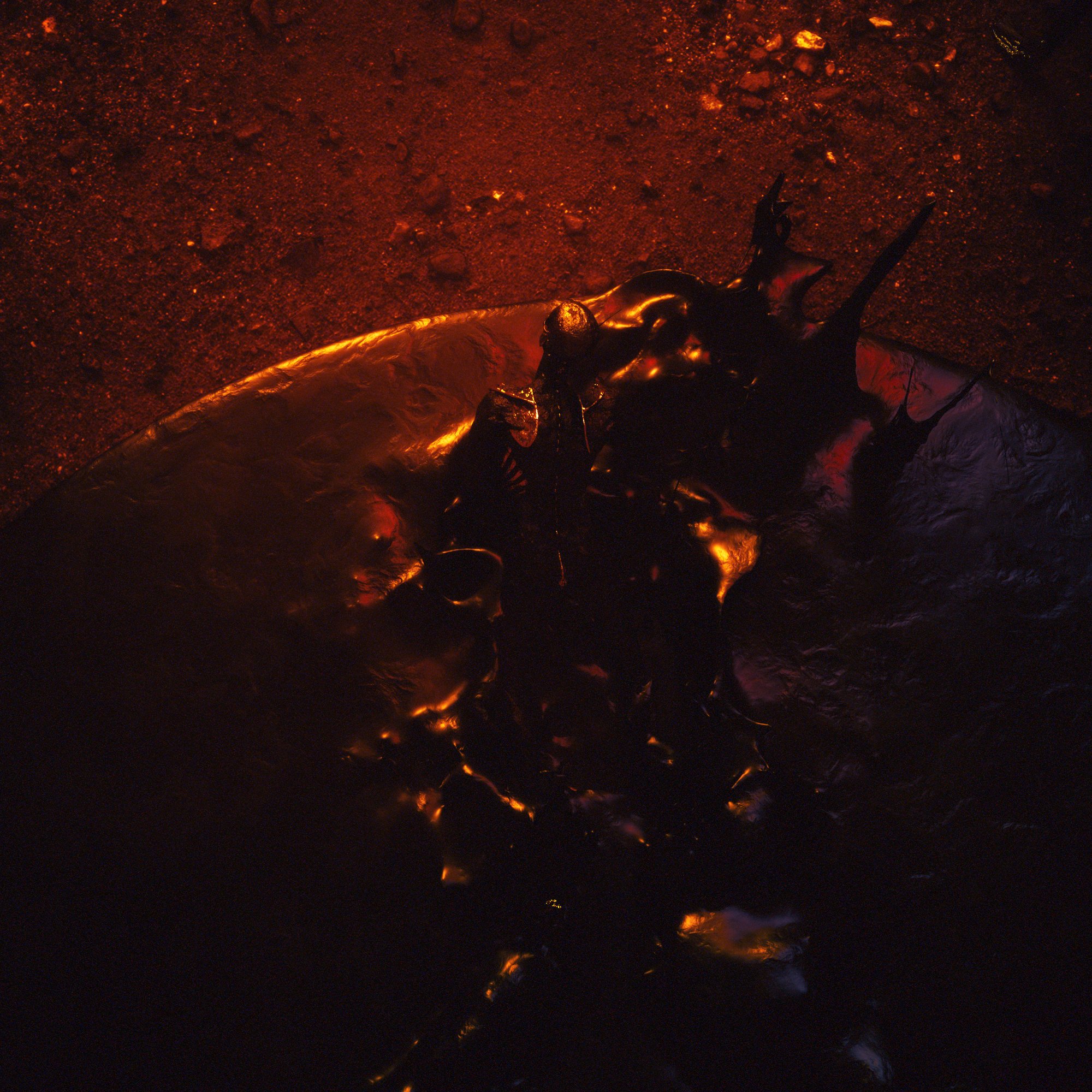
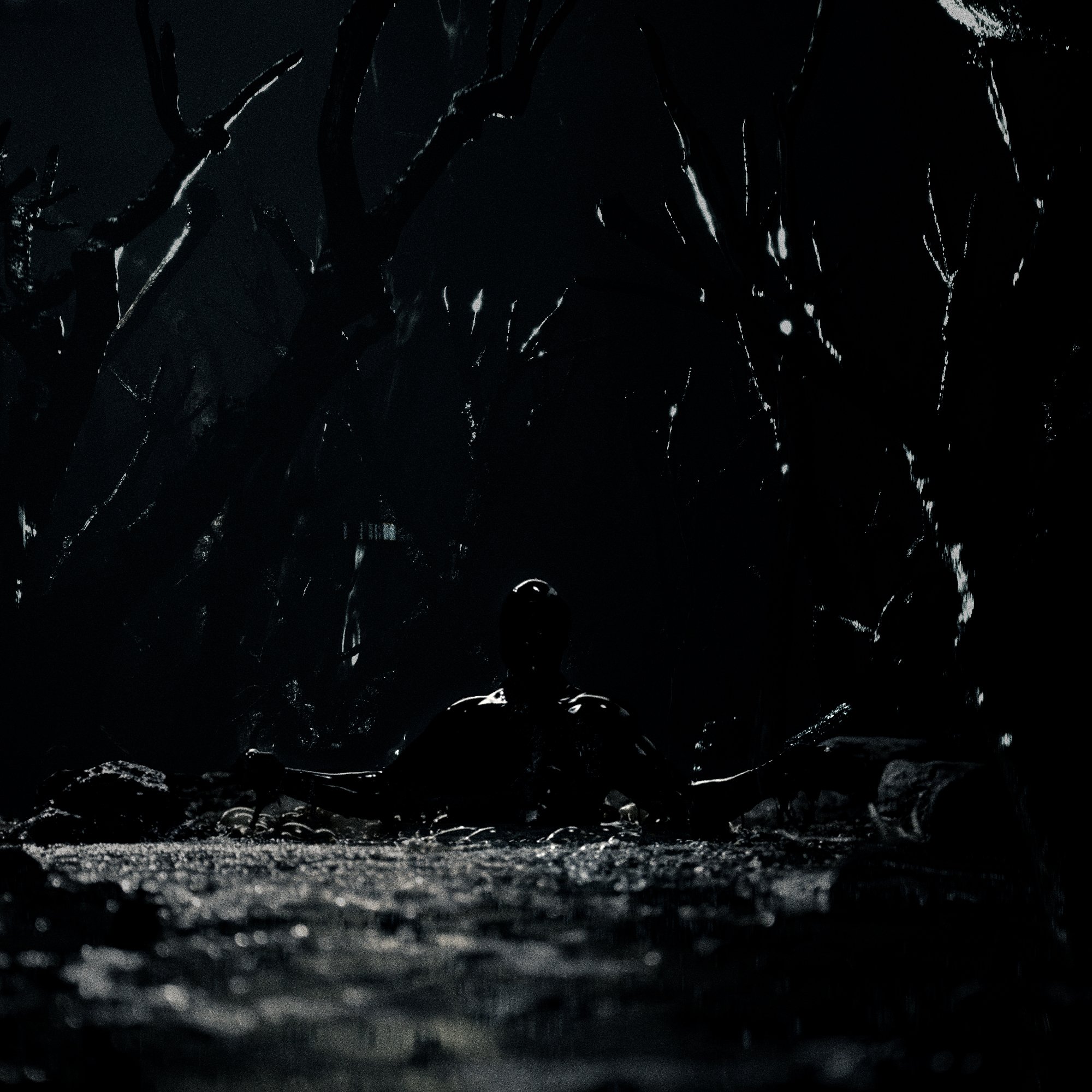
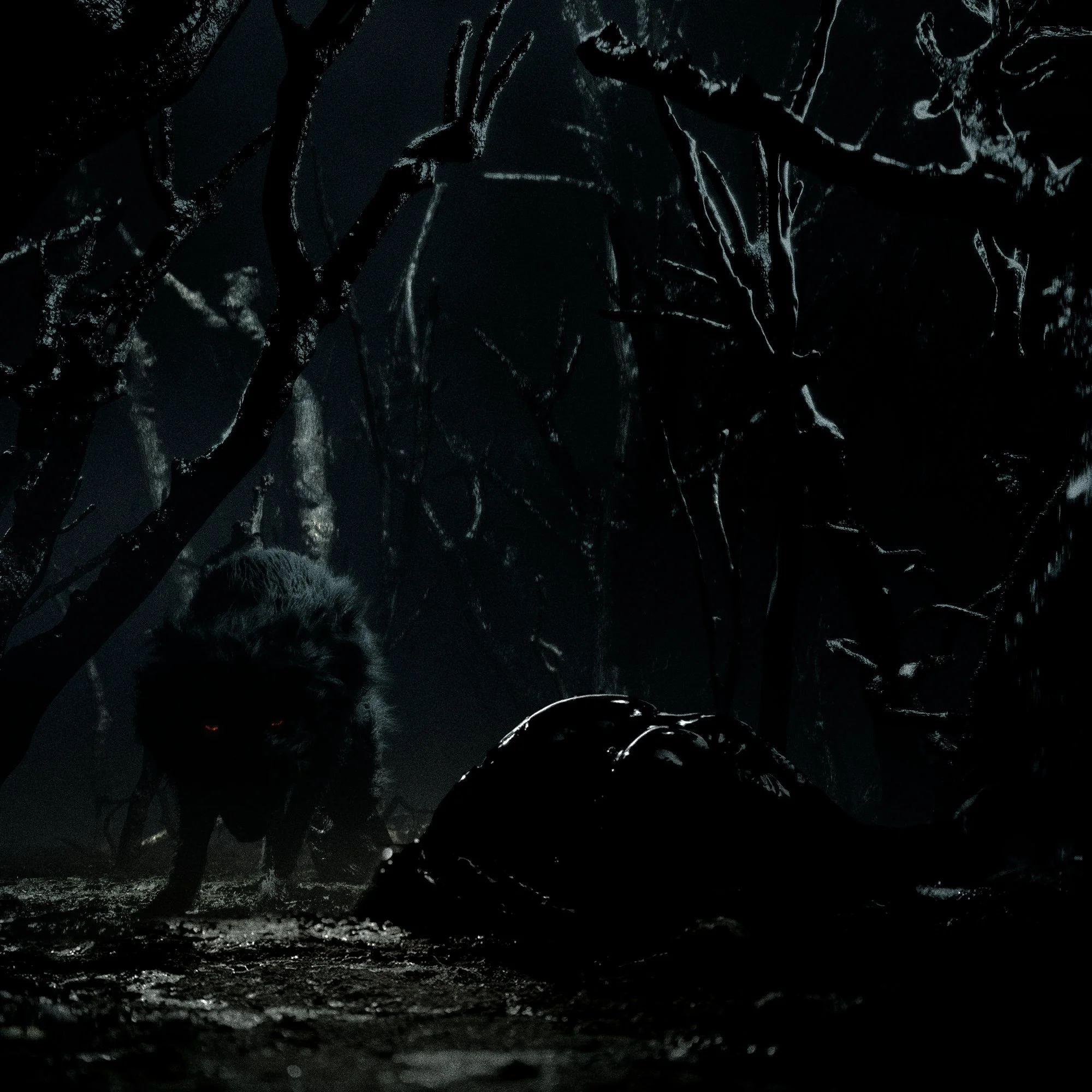
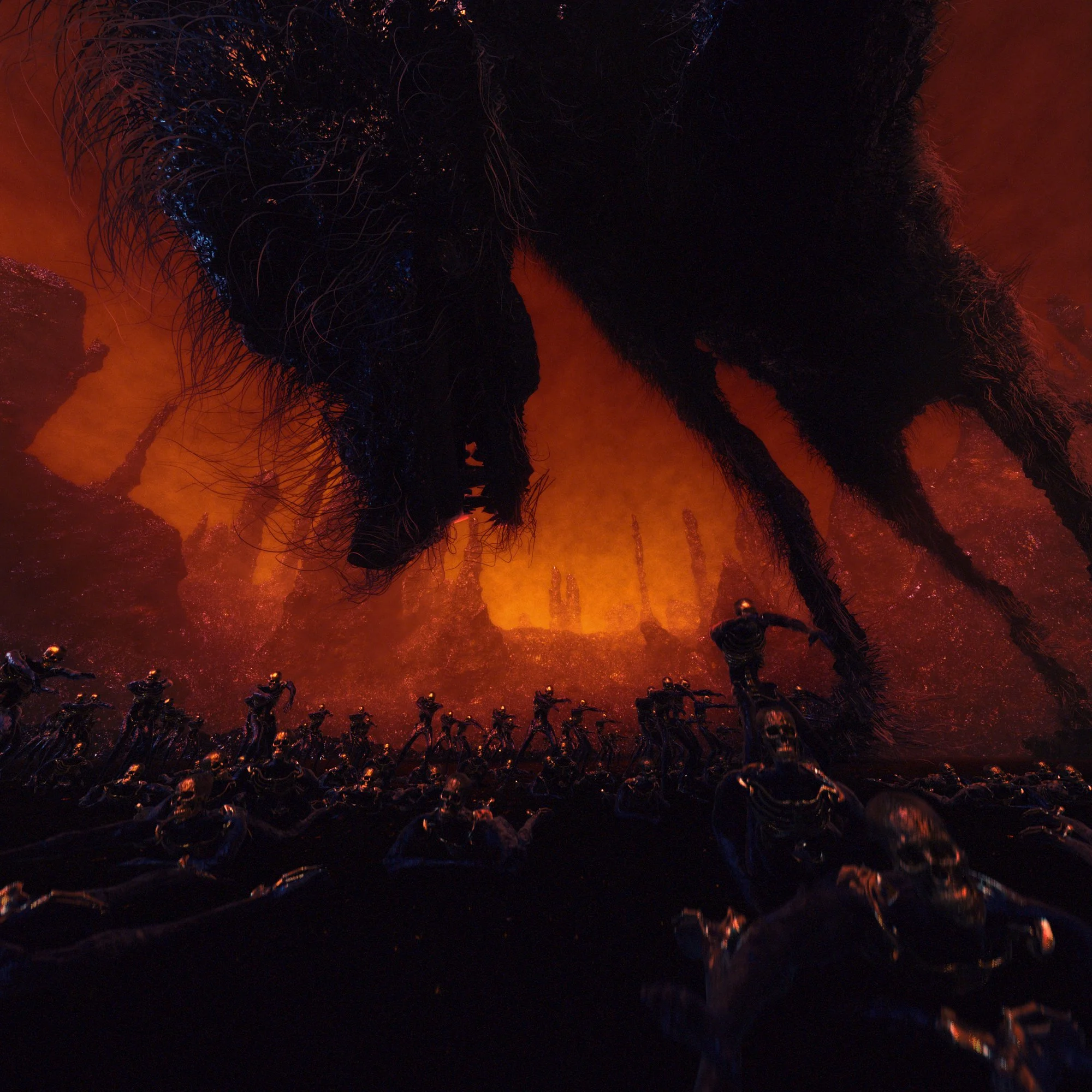
Antagonistic forces manifest as shape-shifting embodiments of trauma and temptation. Golden skeletons climb endlessly toward corrupted power, representing ambition's hollow pursuit. The colossal black dog embodies depression. Oil-covered figures claw from sludge, symbolizing souls trapped by materialism. Wolves lurk in shadows during confrontational moments. The primary antagonist is the demon cowboy, a golden skeletal figure wearing a cowboy hat, directly inspired by Judge Holden from "Blood Meridian," representing the seductive nature of power and the darkness that whispers justifications for our worst impulses.
MOTIFS
SWEEPING LANDSCAPES & EMOTIONAL WORLDS
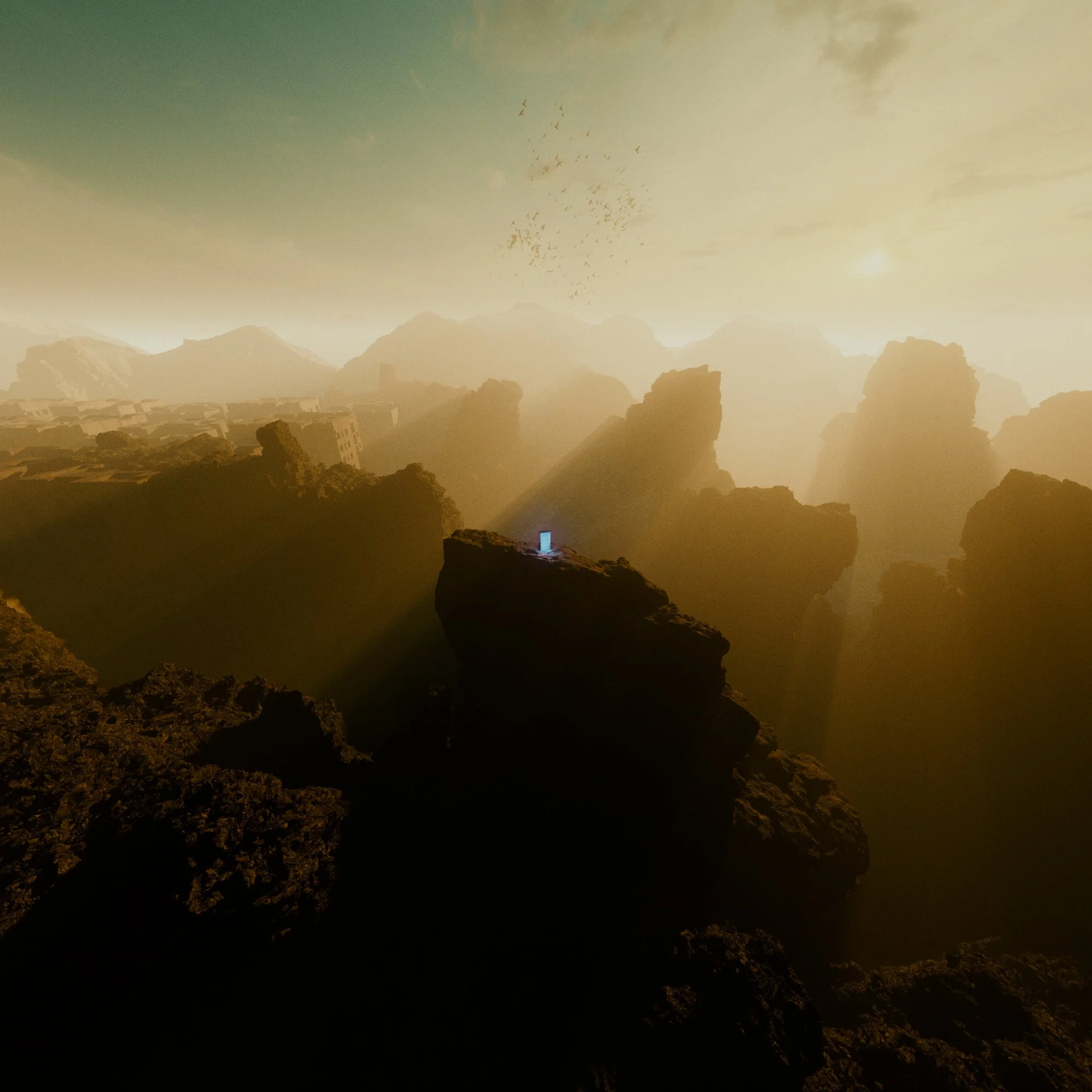
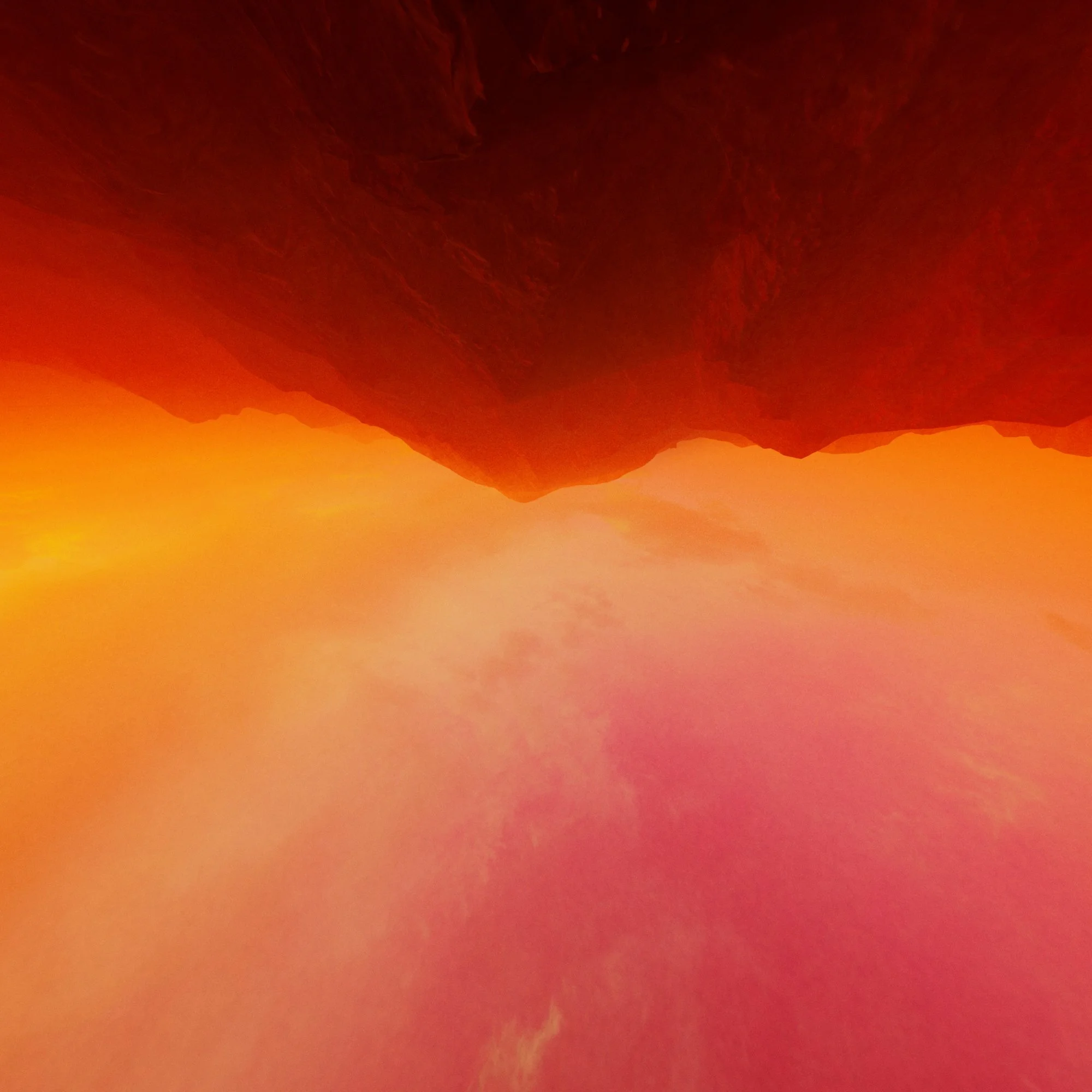
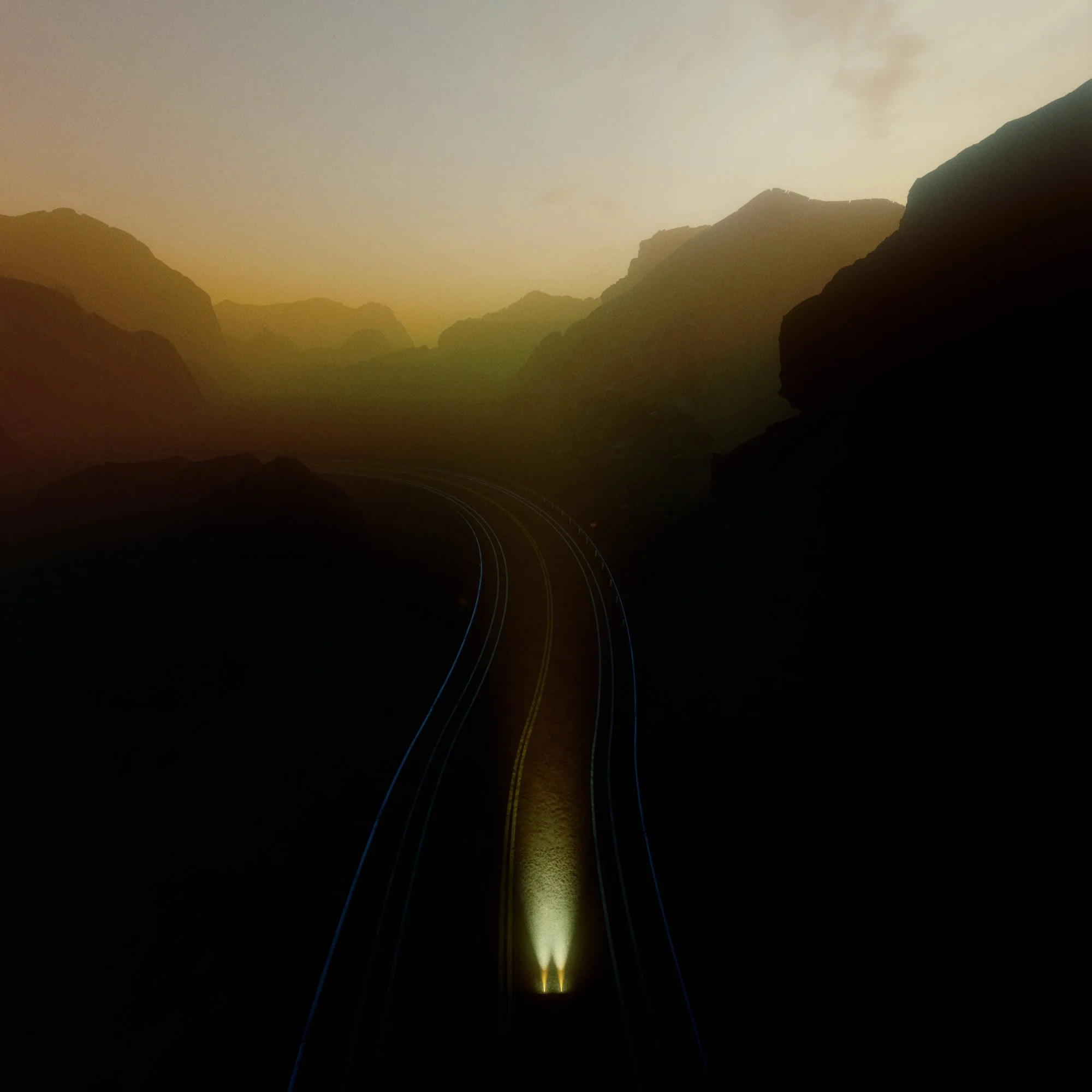
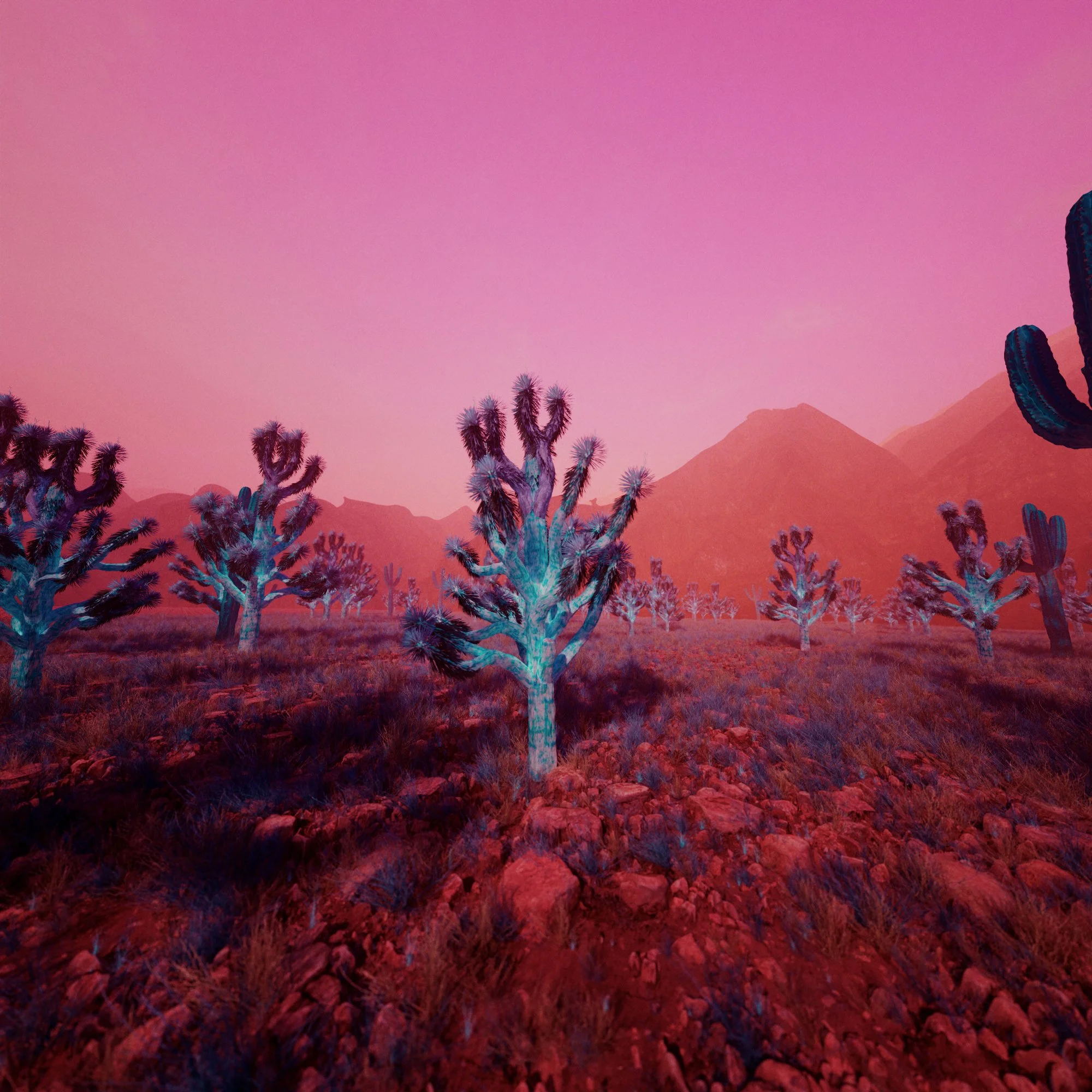
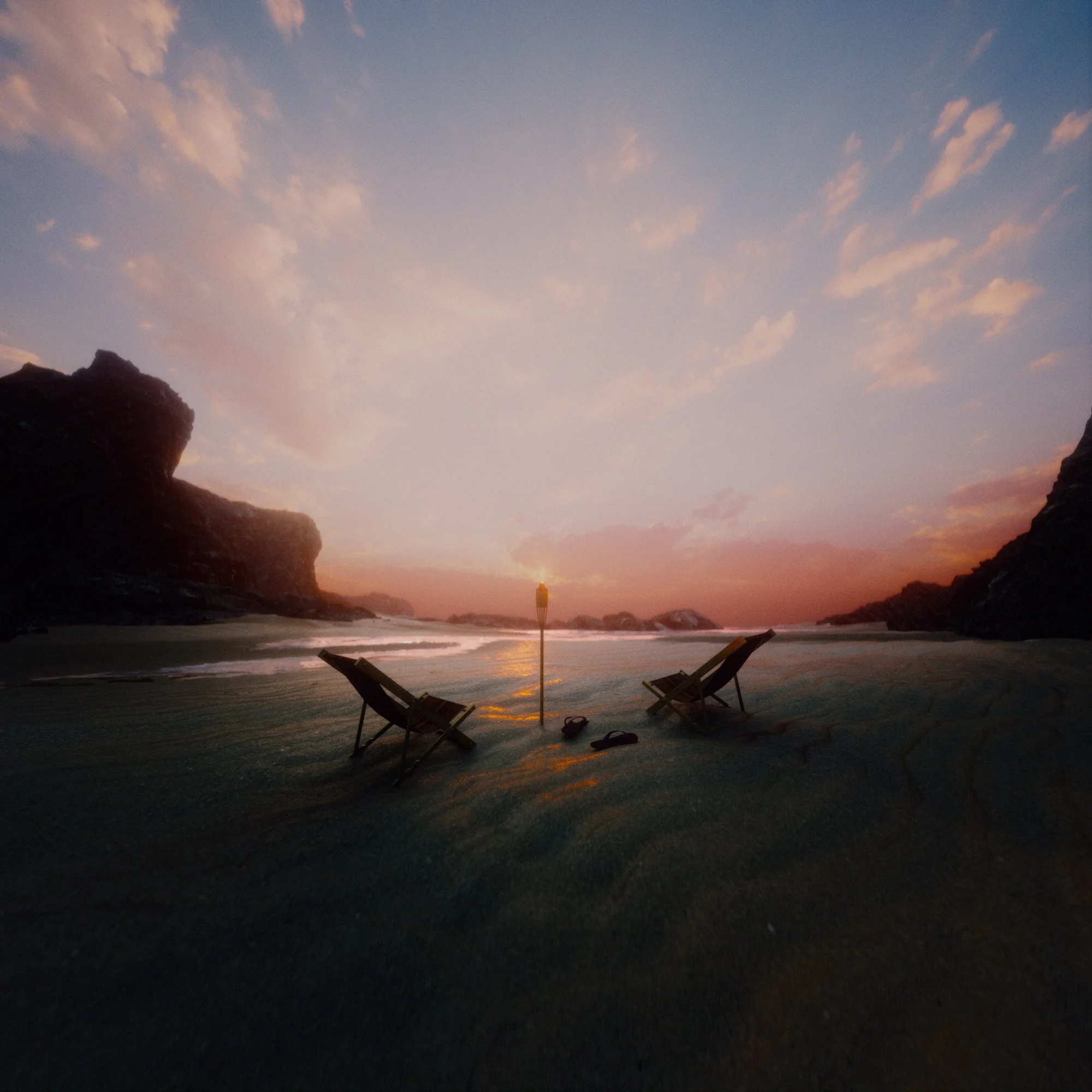
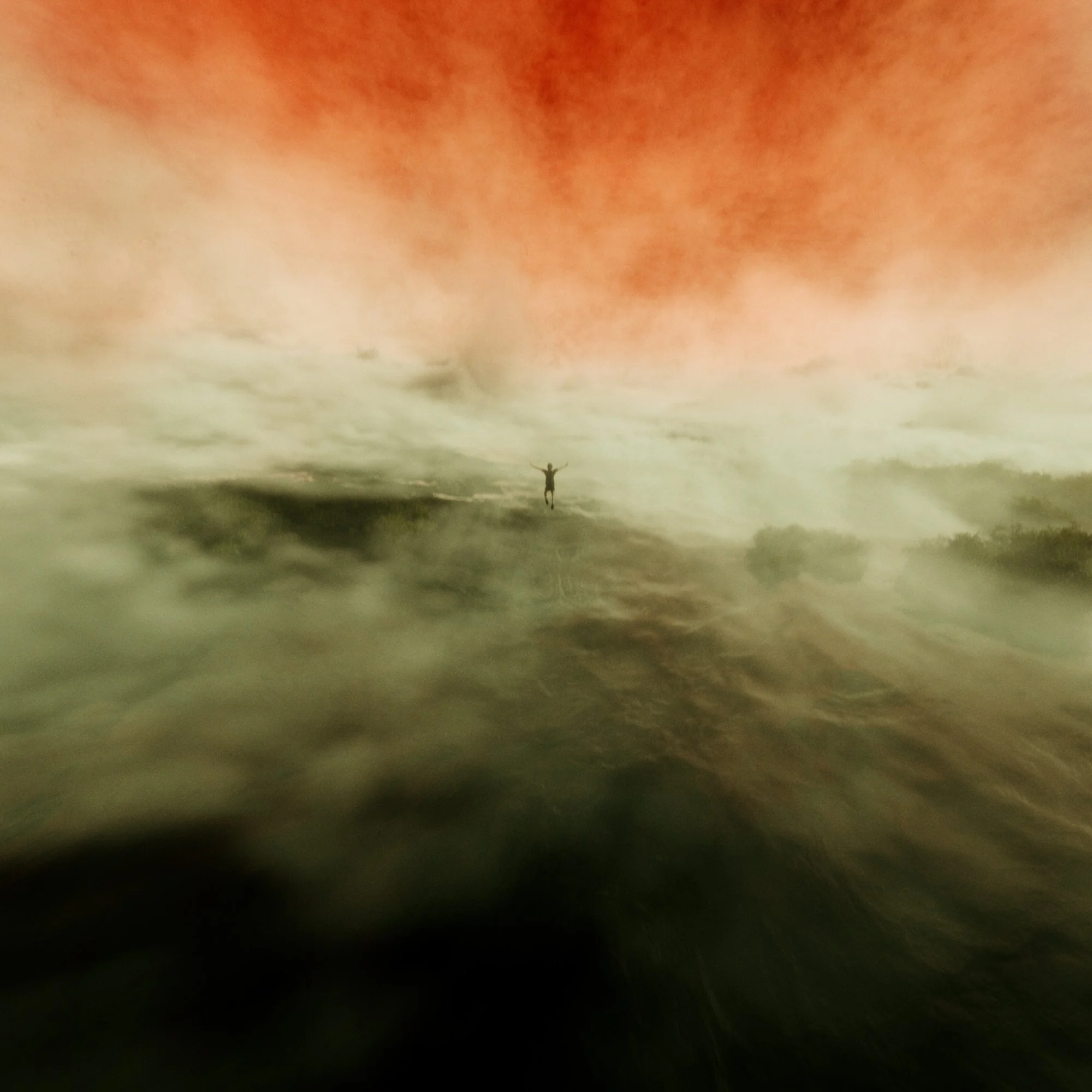
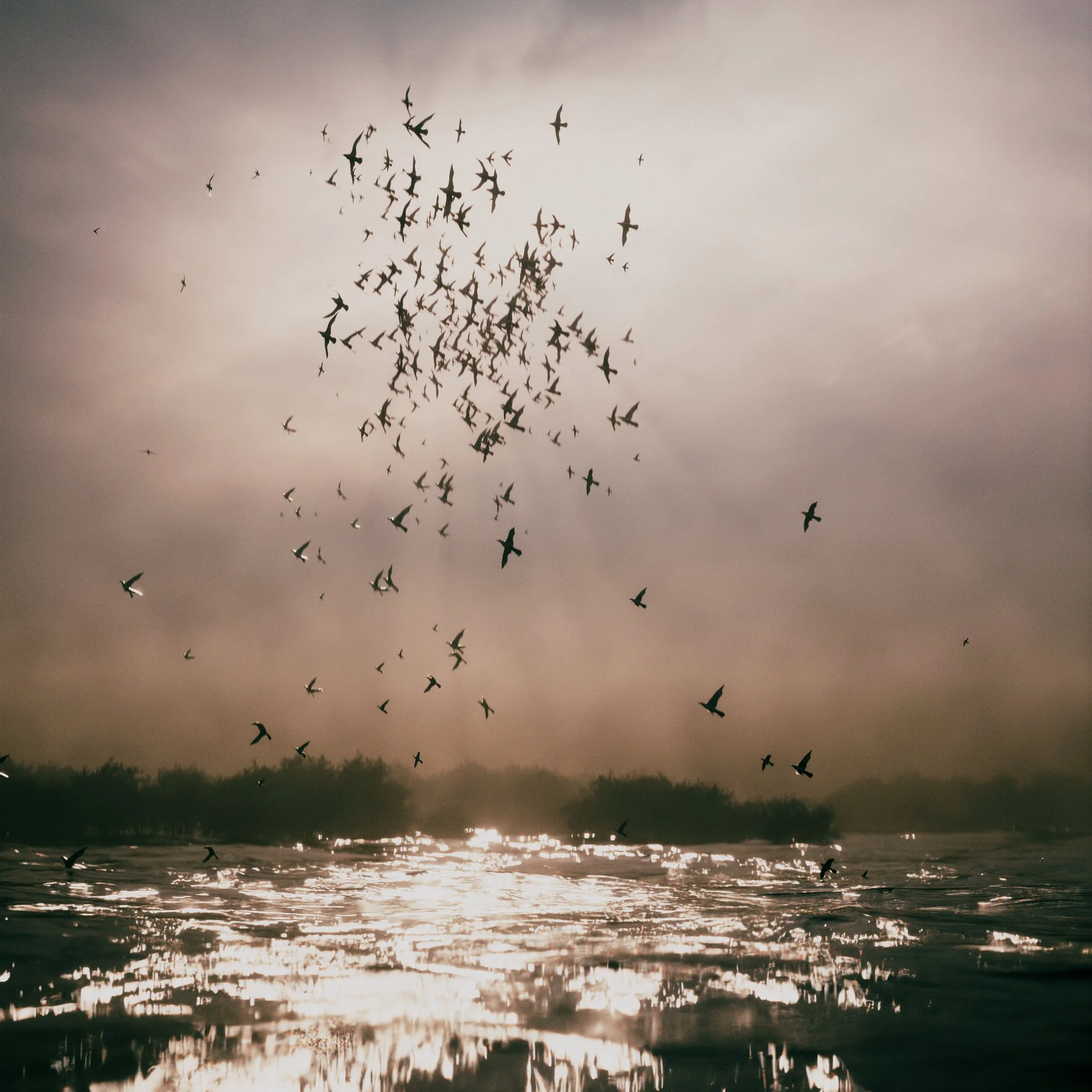
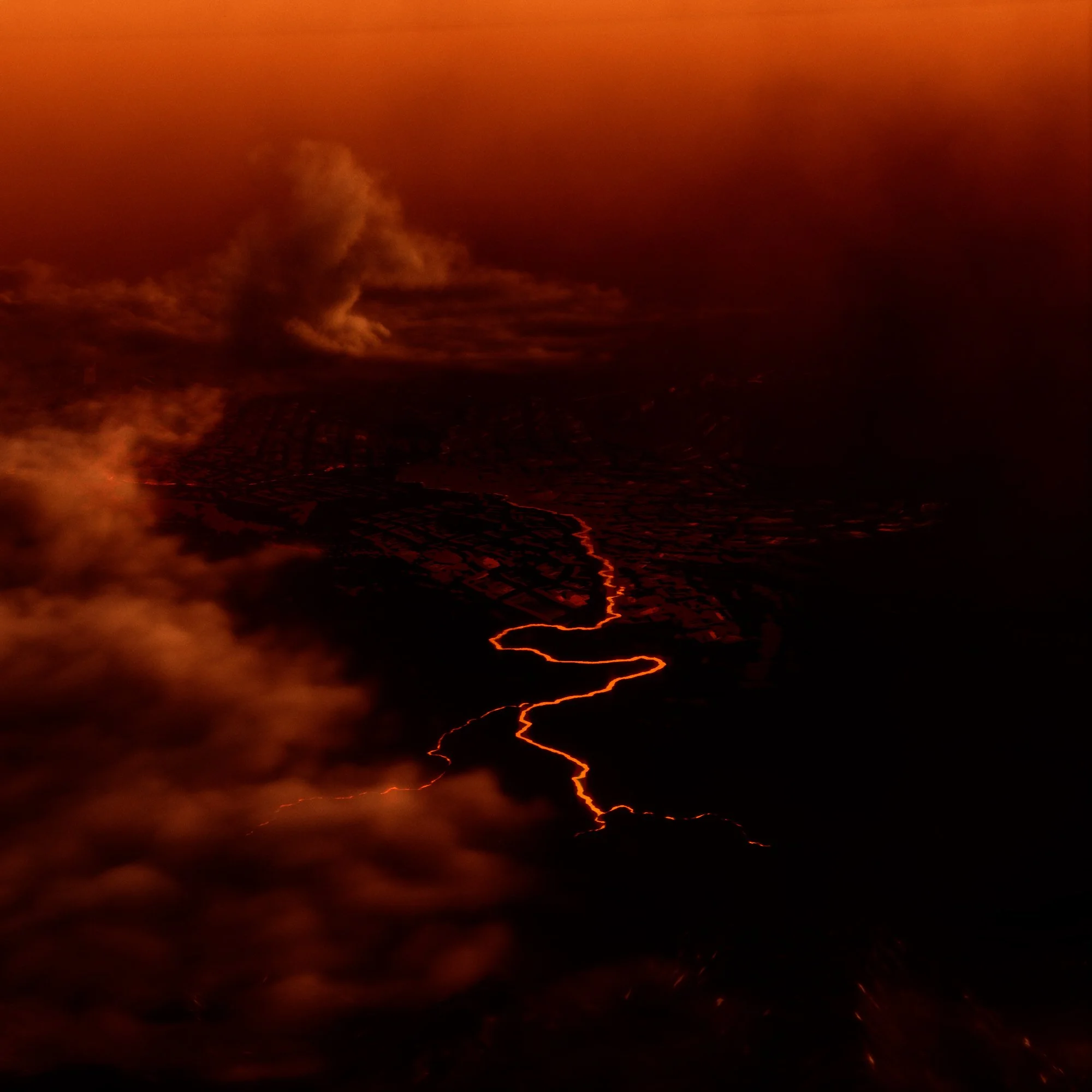
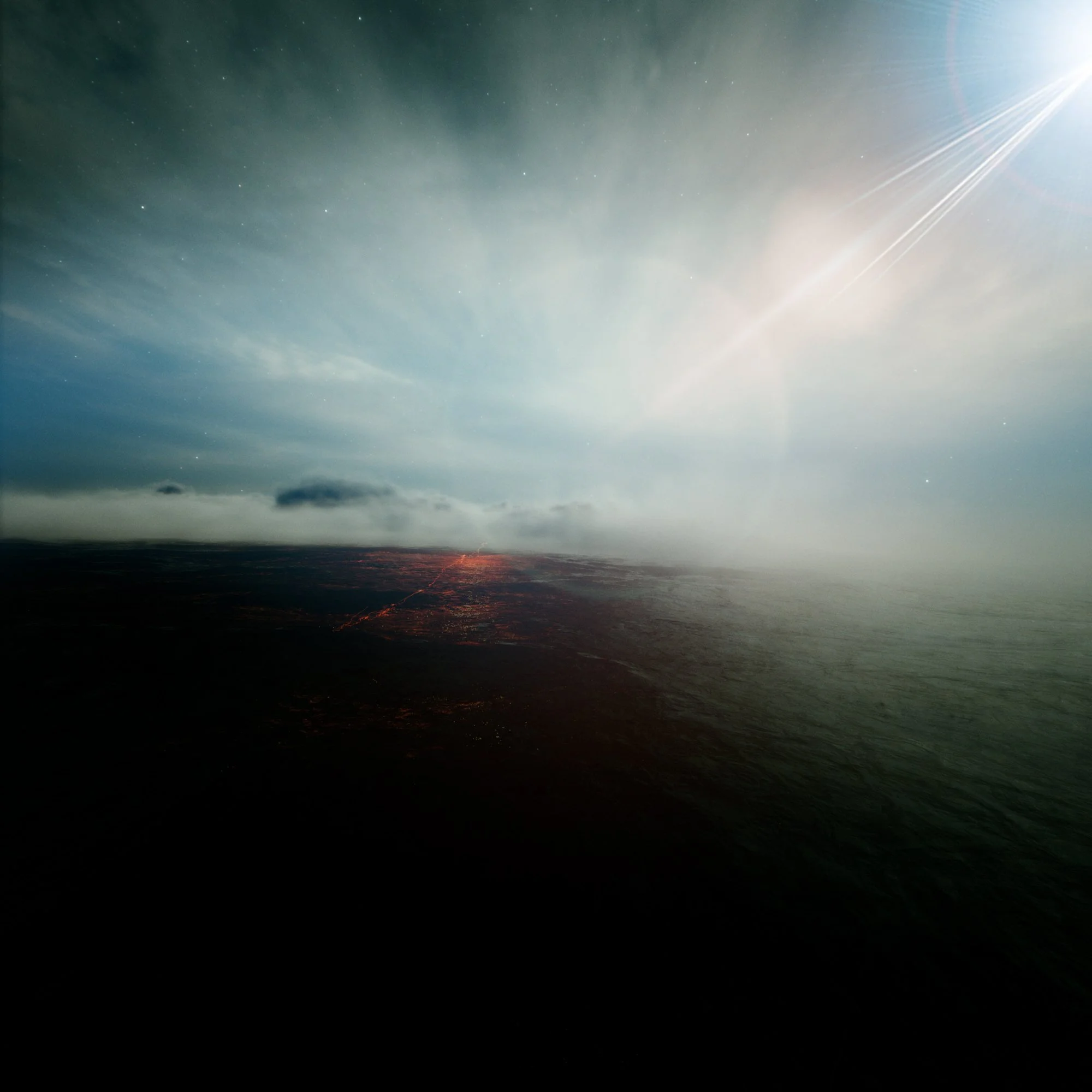
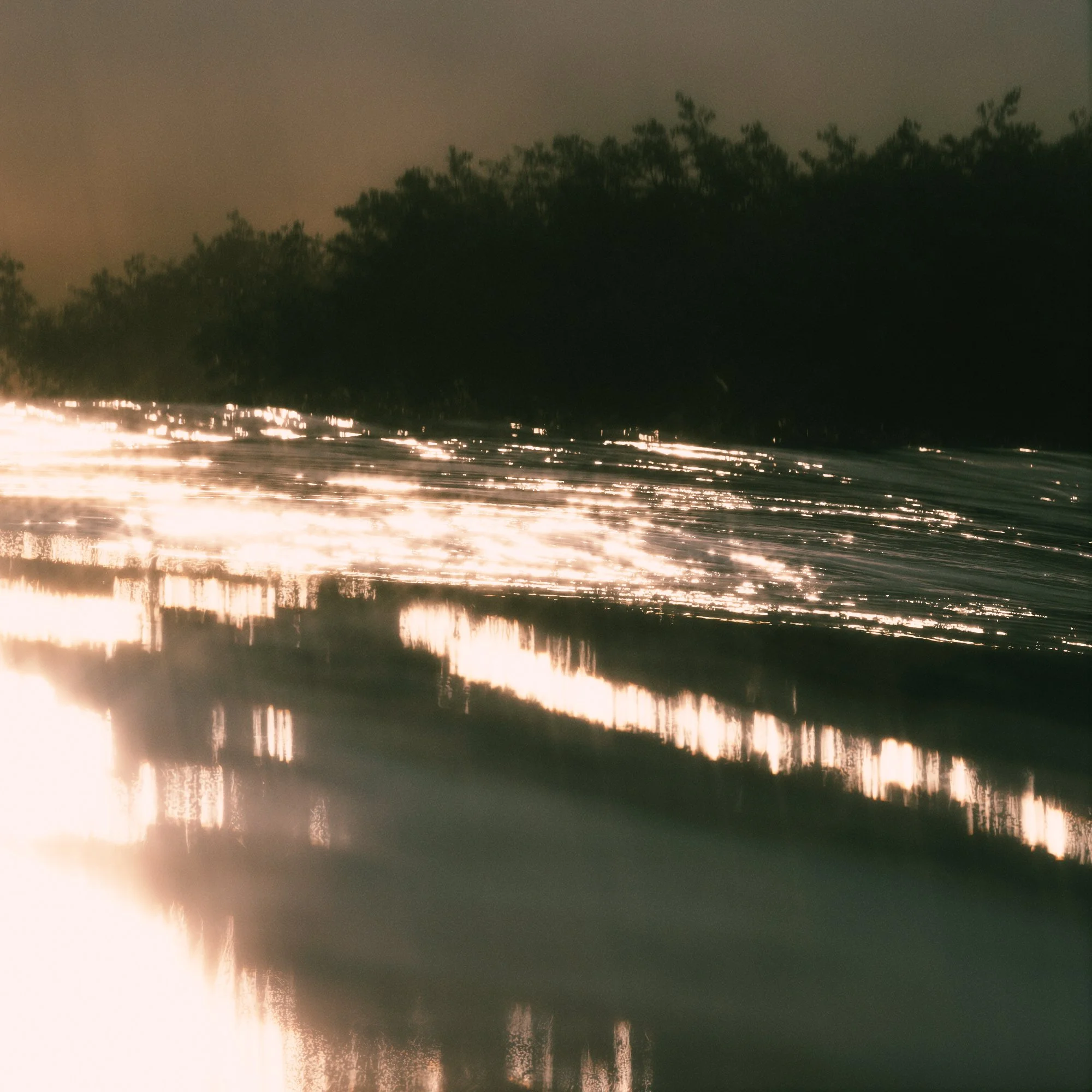
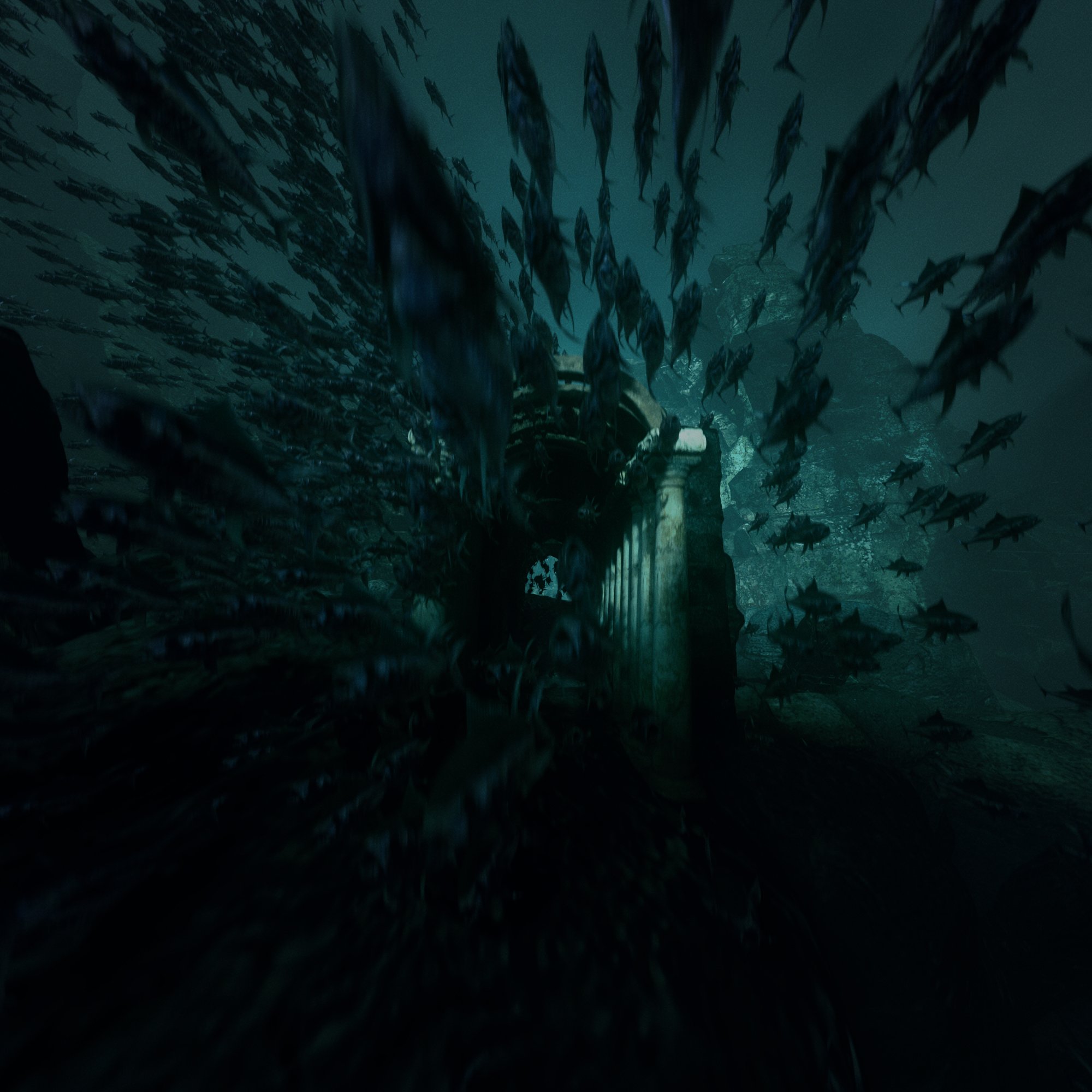
We prioritized cinematic environmental storytelling over traditional concert visuals. The Sphere's 360° canvas favored expansive worlds audiences could fly through, crimson badlands, industrial wastelands, and crystalline lakes, reducing foreground detail demands while maximizing immersion. I built a reusable asset library (VDBs, terrains, trees, and a single water shader) that could evoke entirely different emotions by adjusting the sun position and swapping HDR skies. Desert terrain transformed from oppressive heat to golden-hour nostalgia through lighting alone.








MOTIFS: LIGHTING & SILHOUETTE STRATEGY
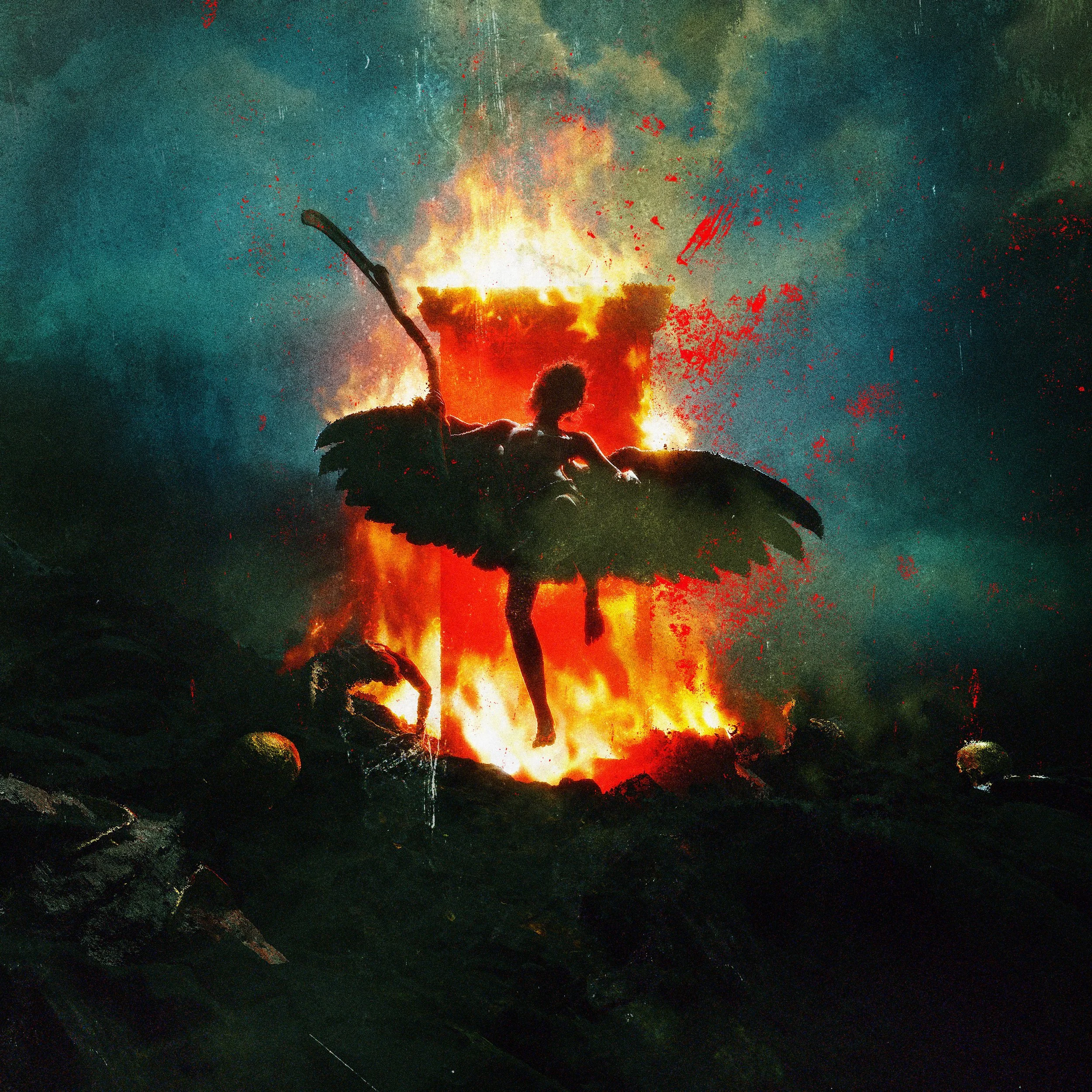
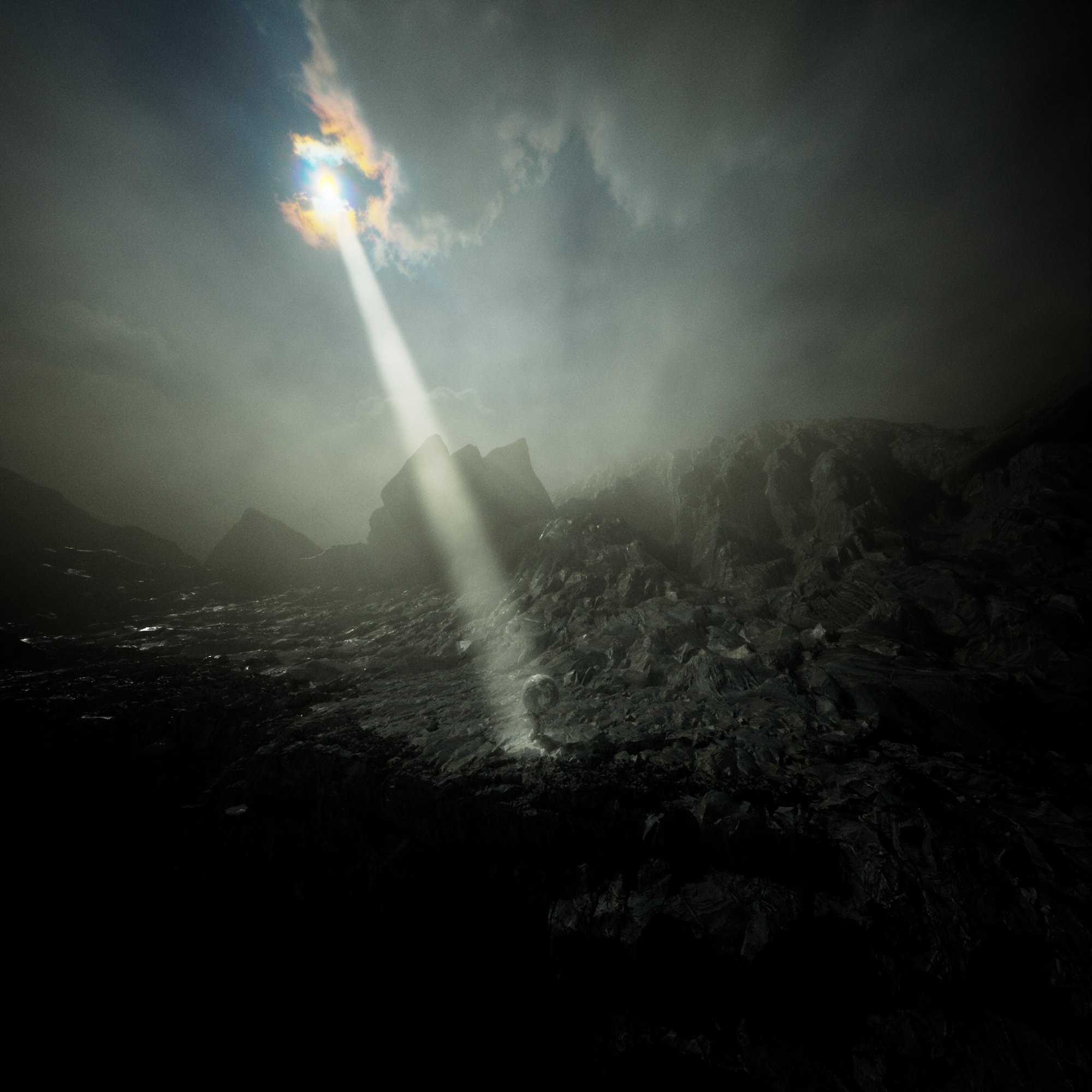
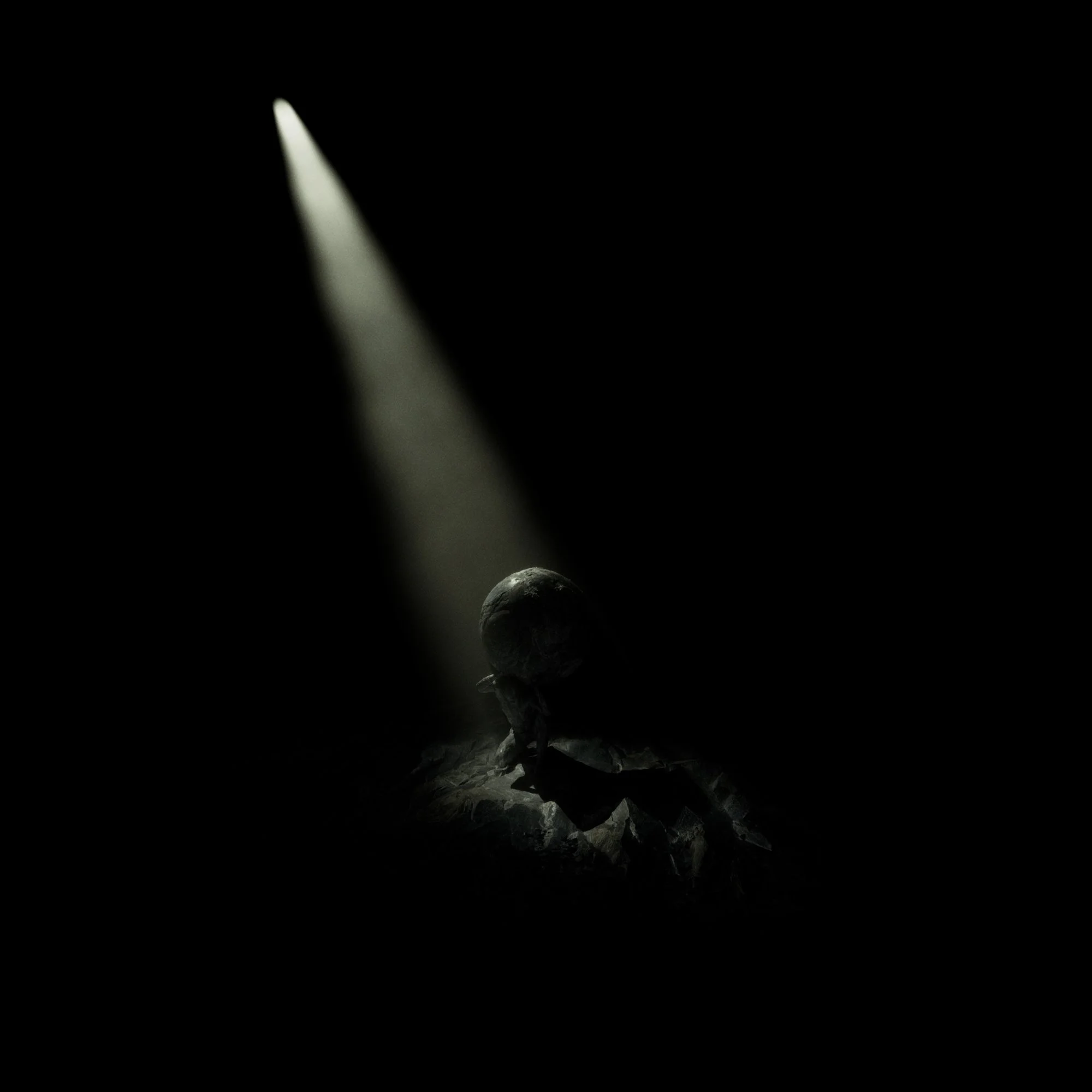
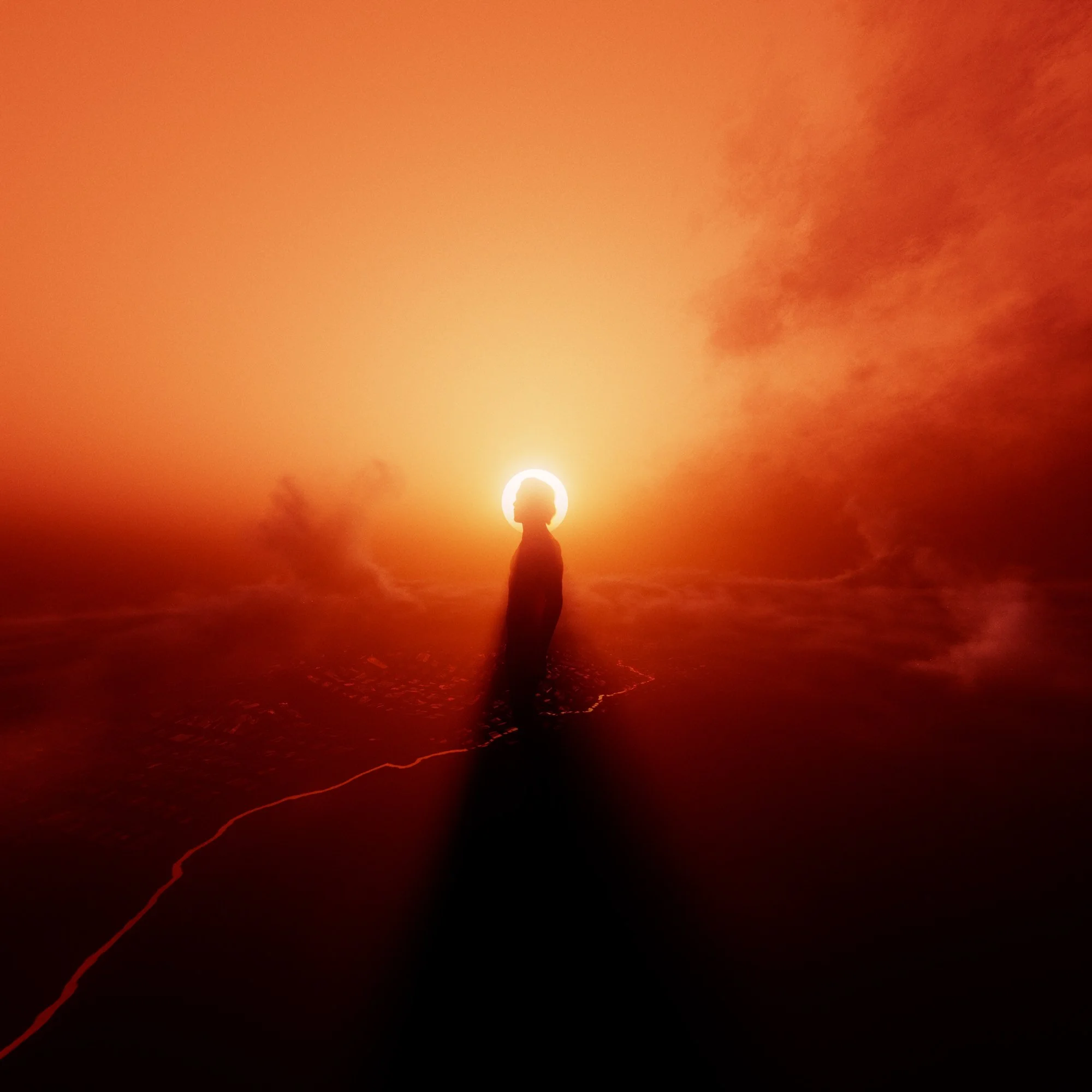
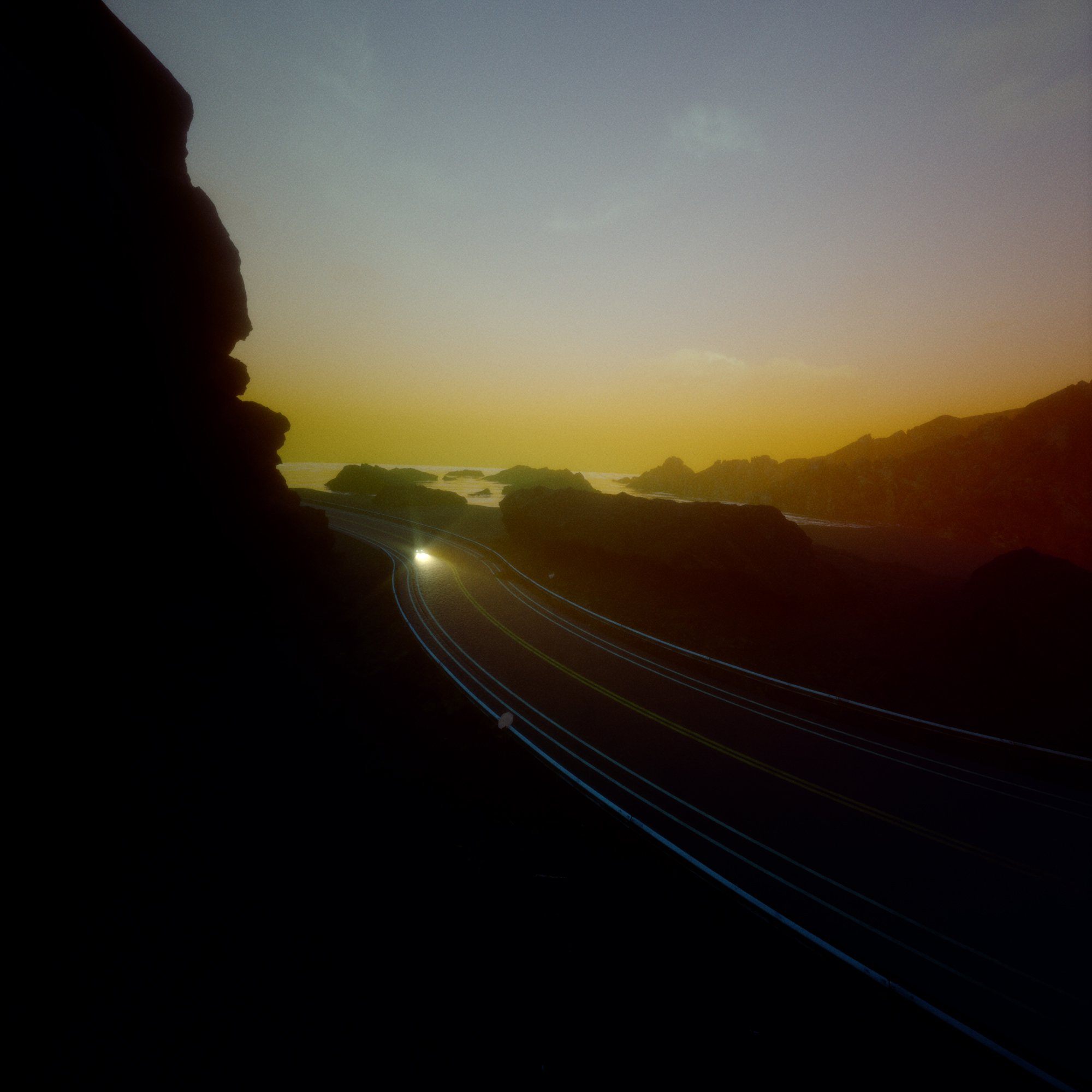
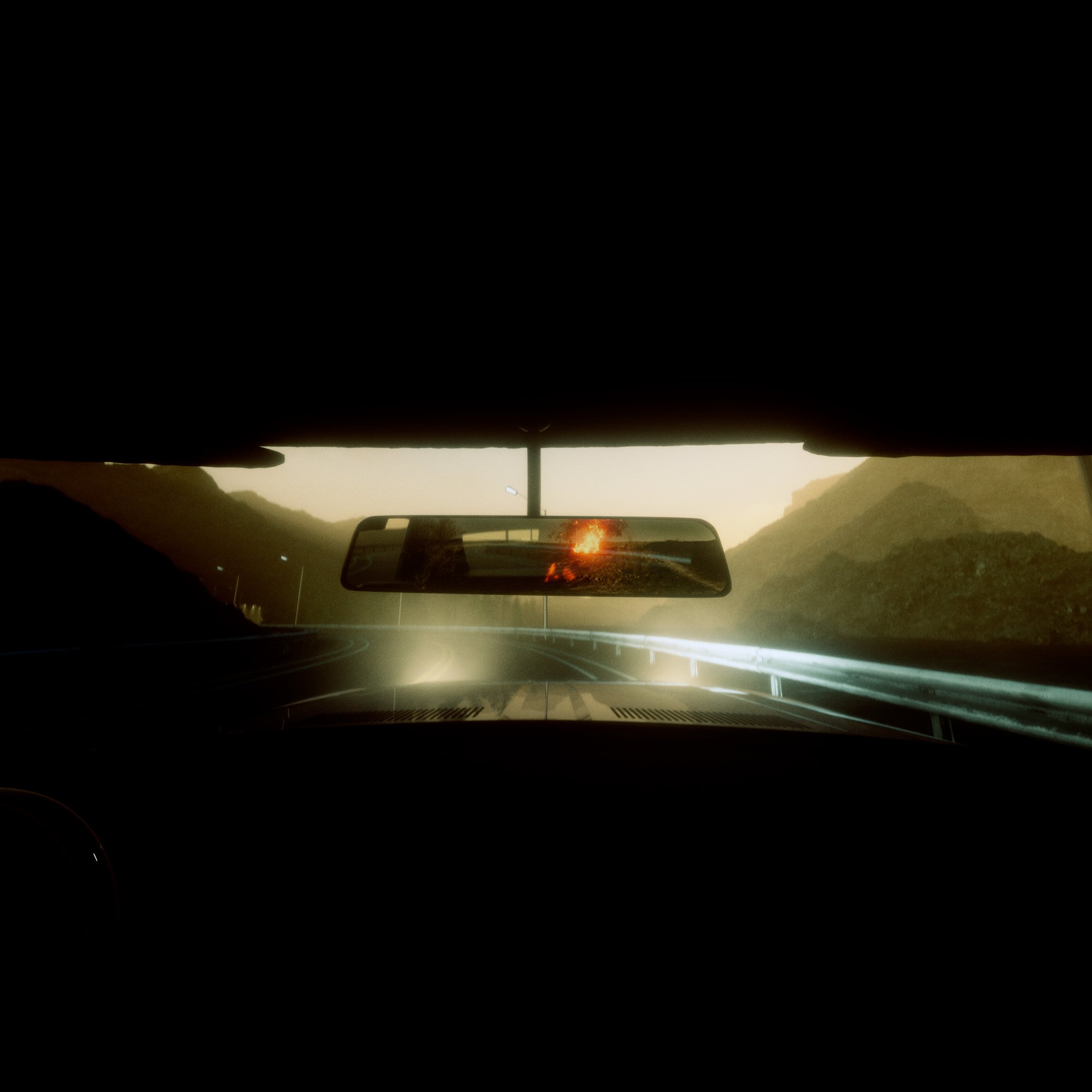
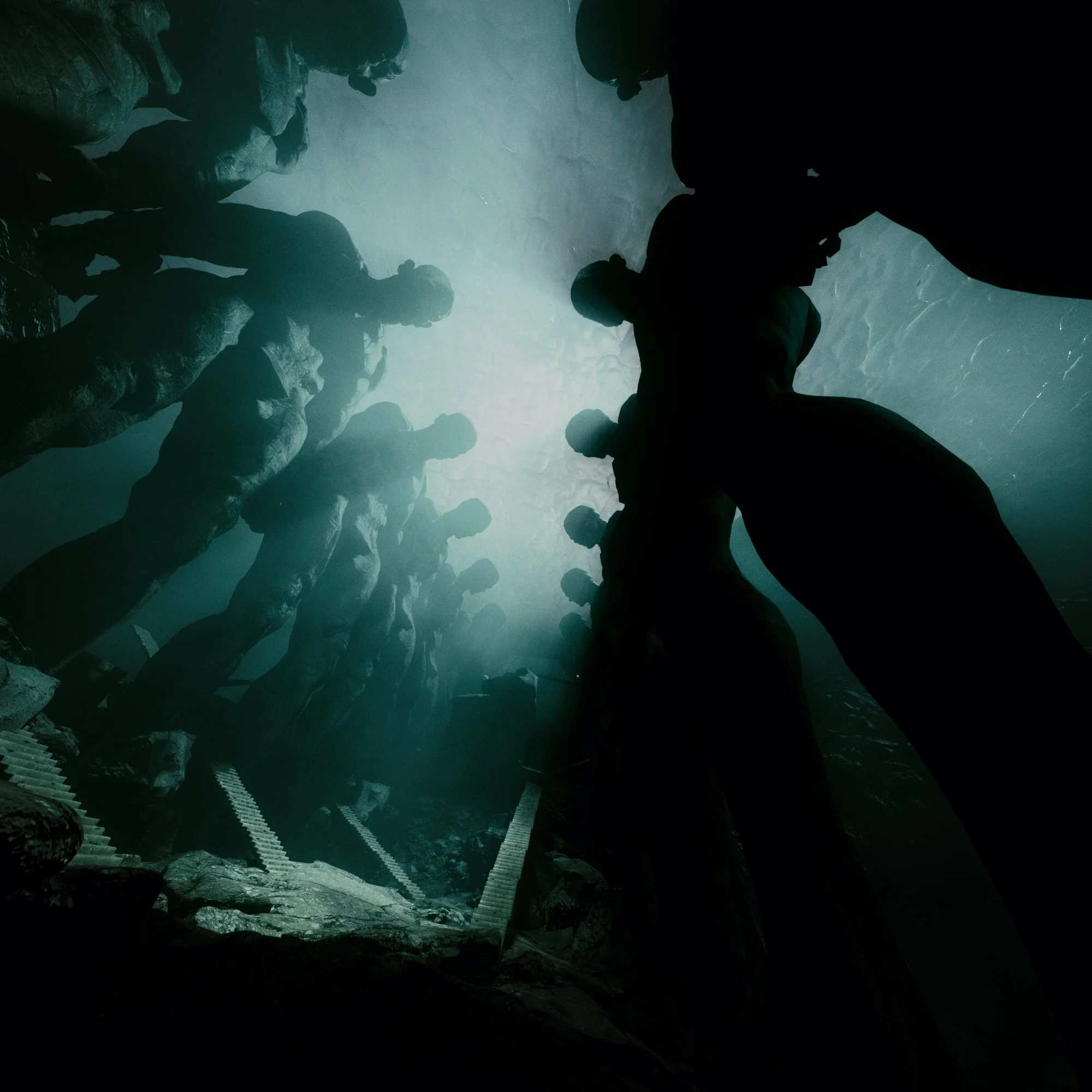
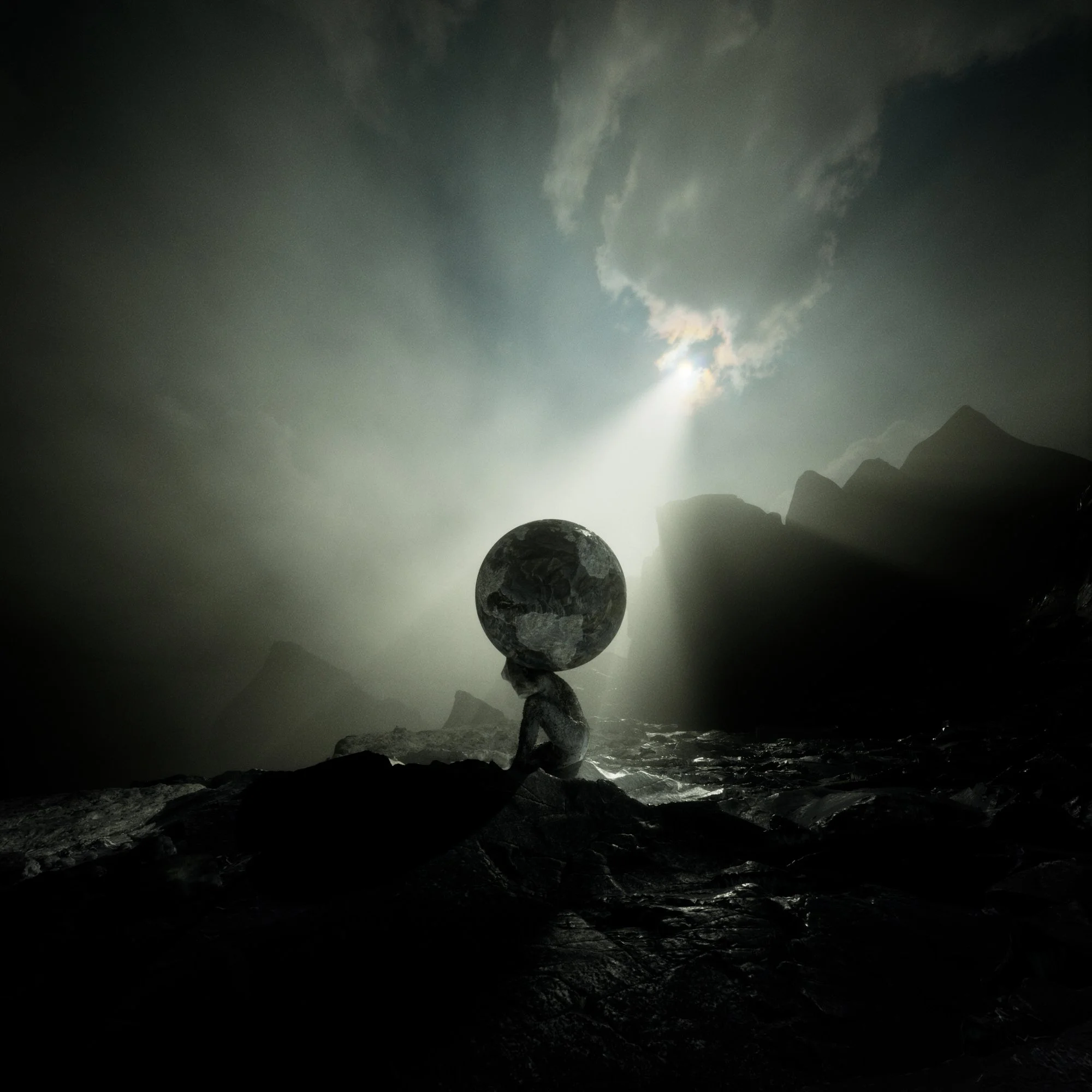
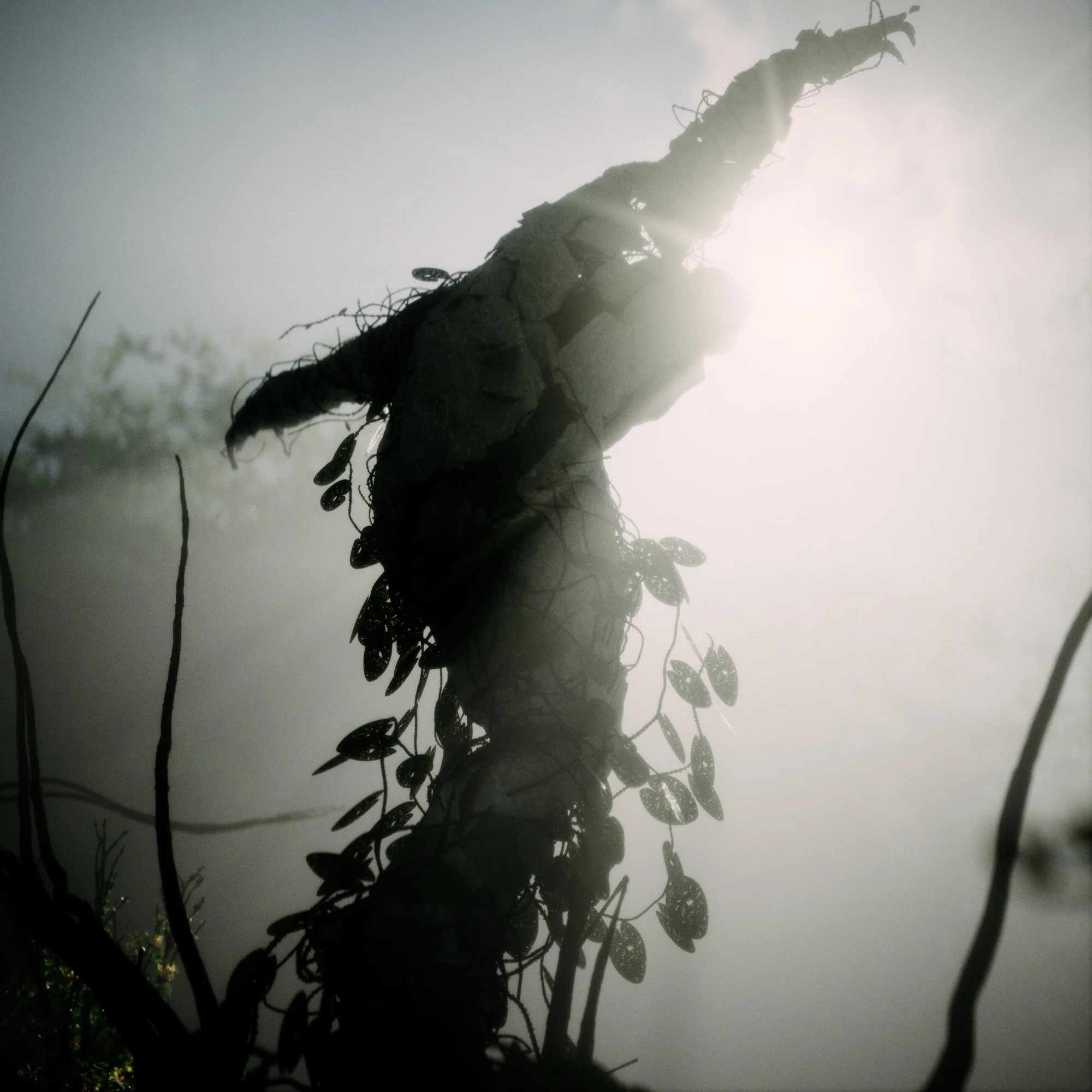
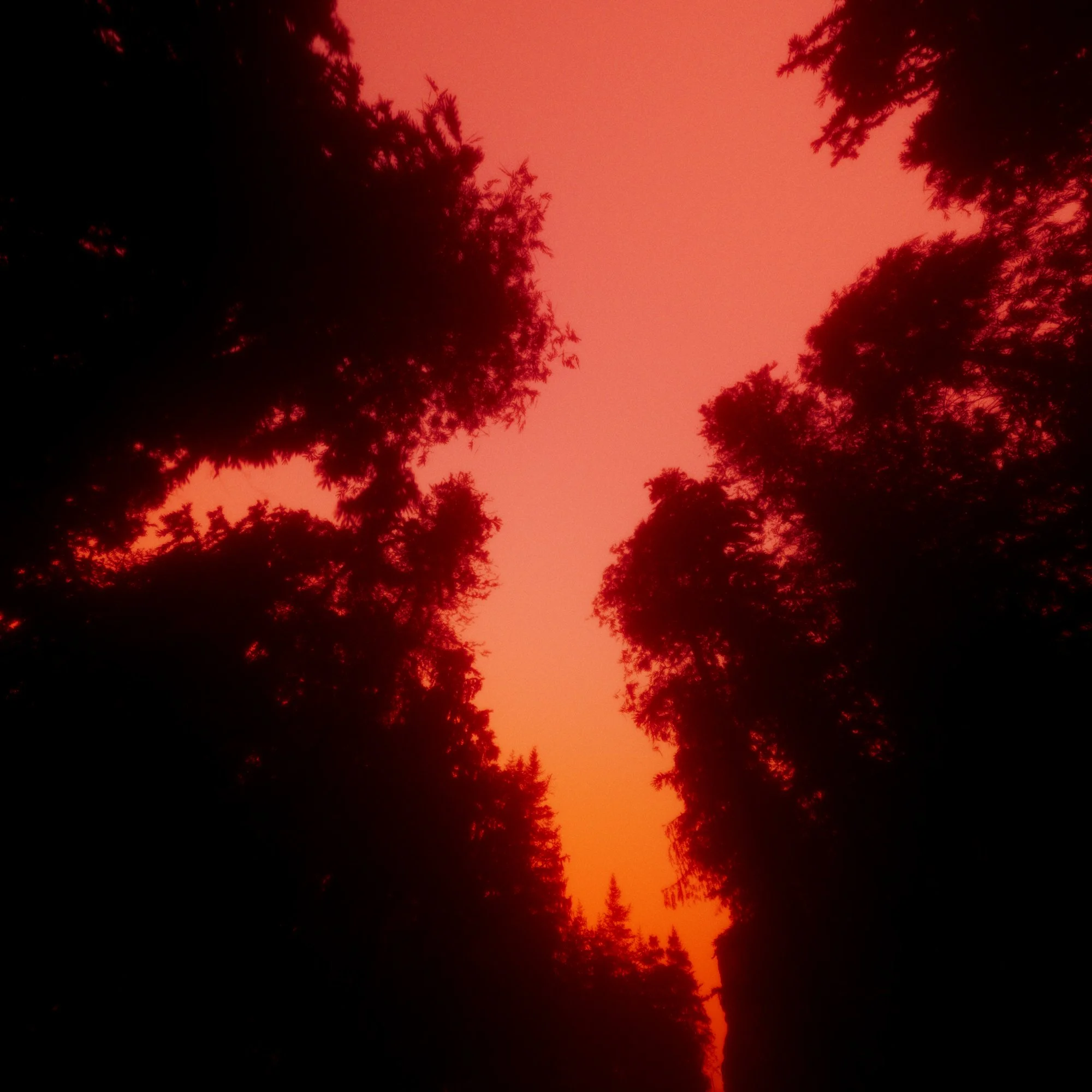
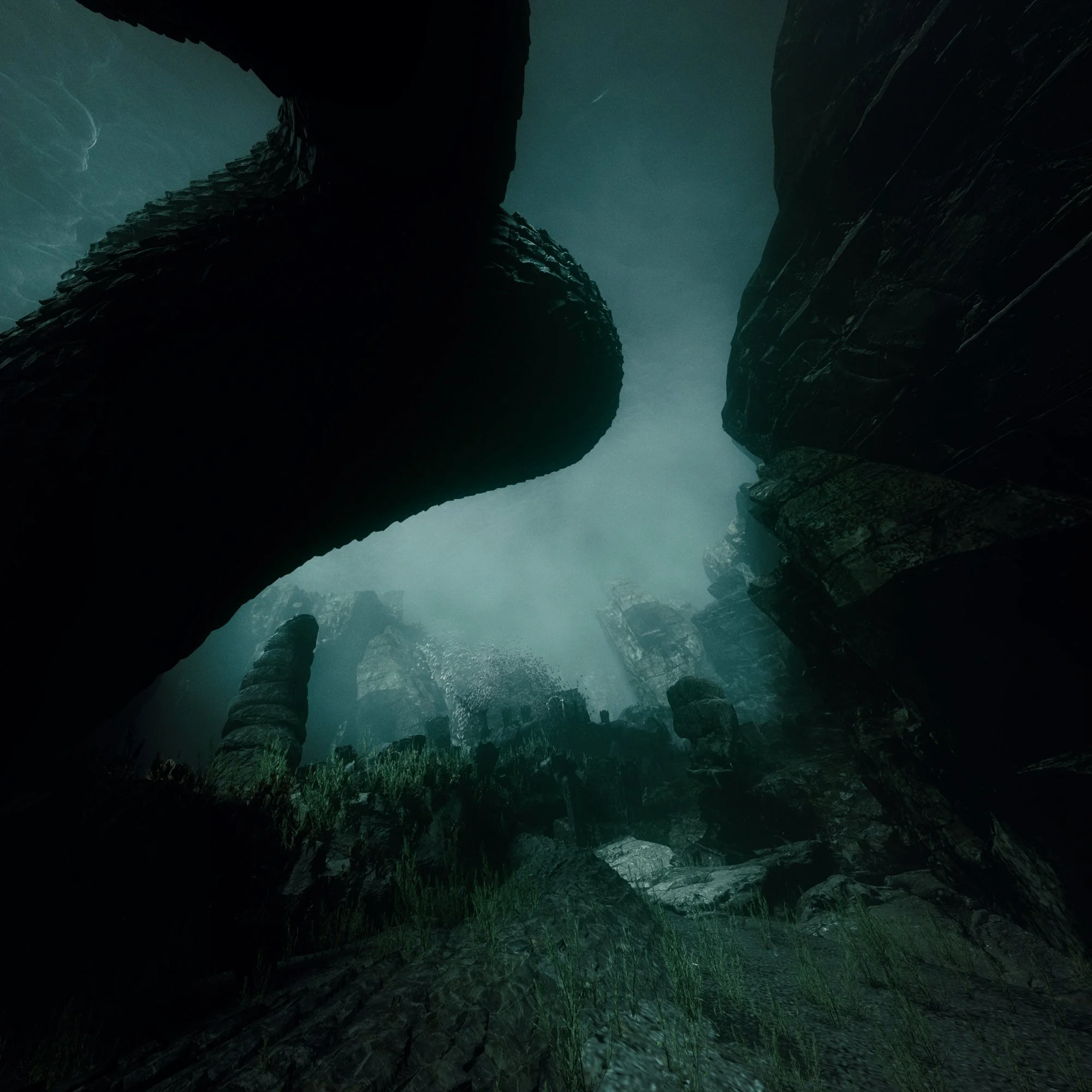
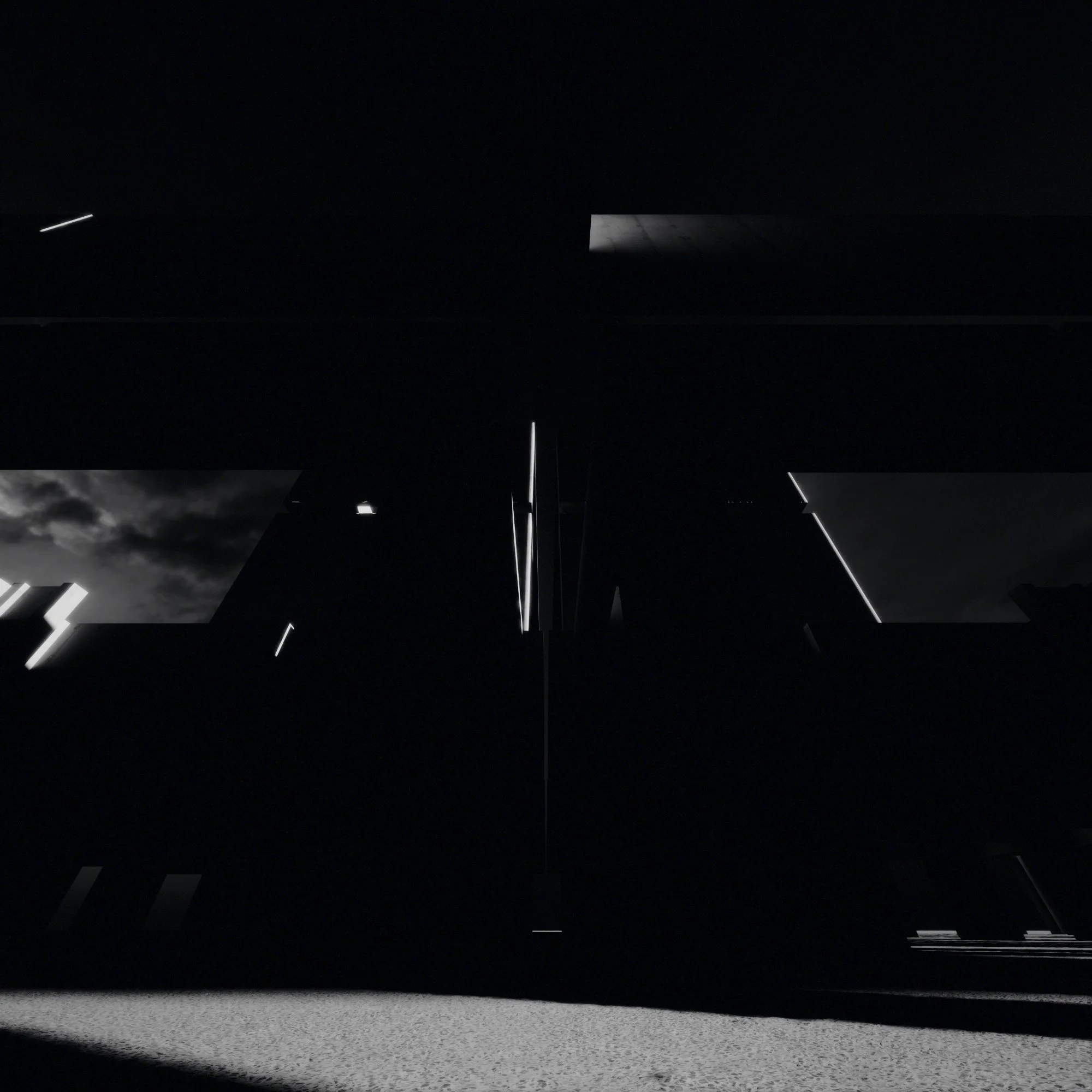
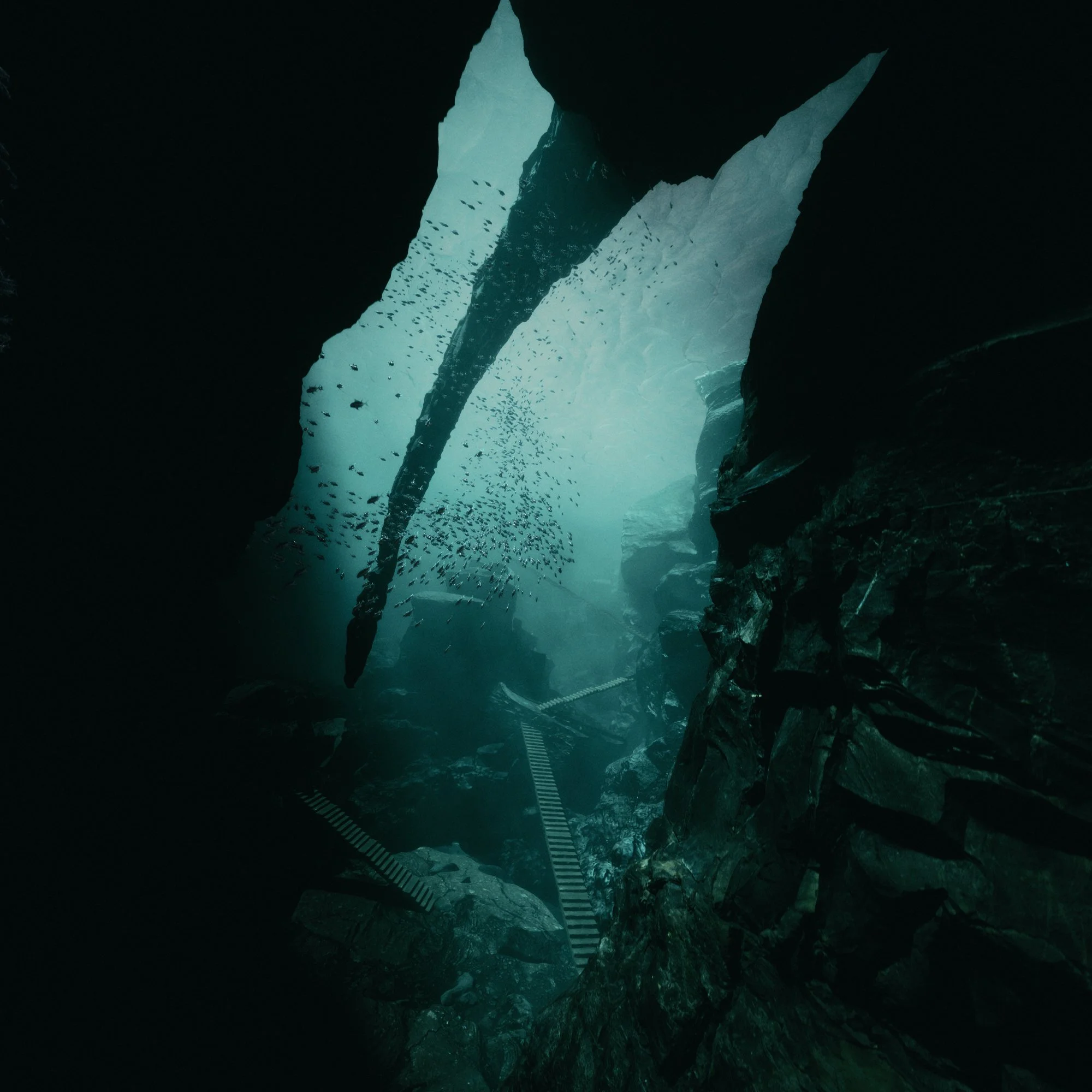
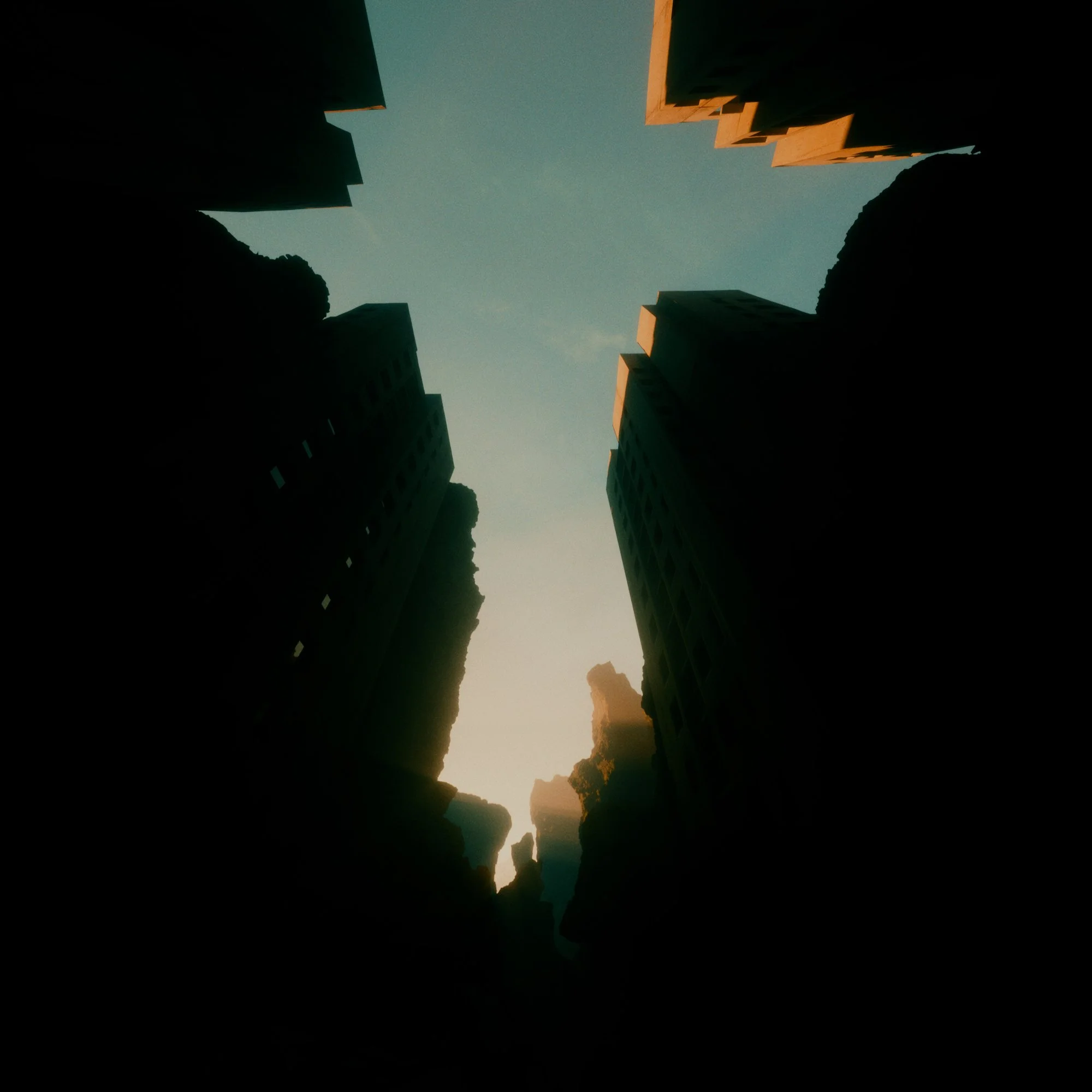
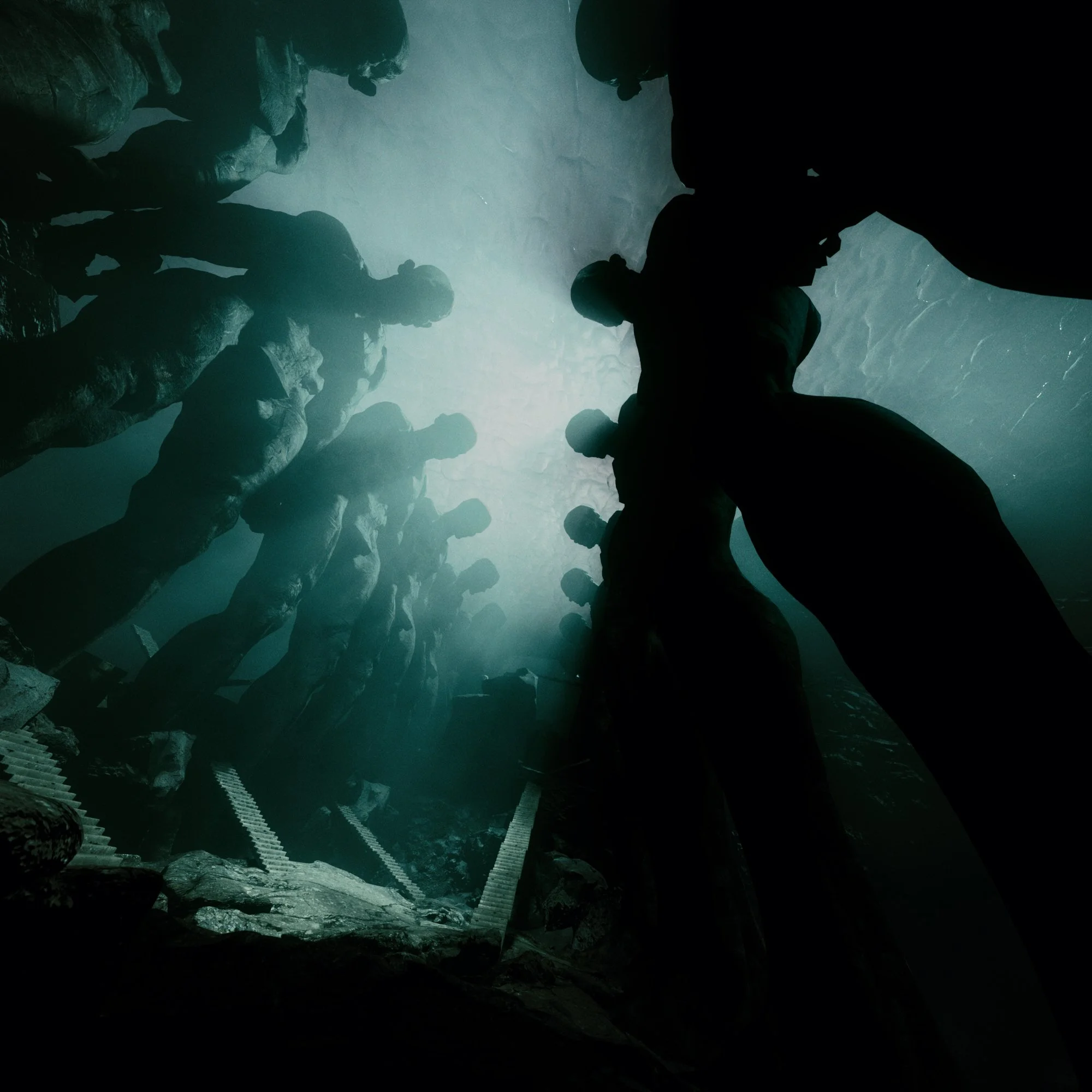
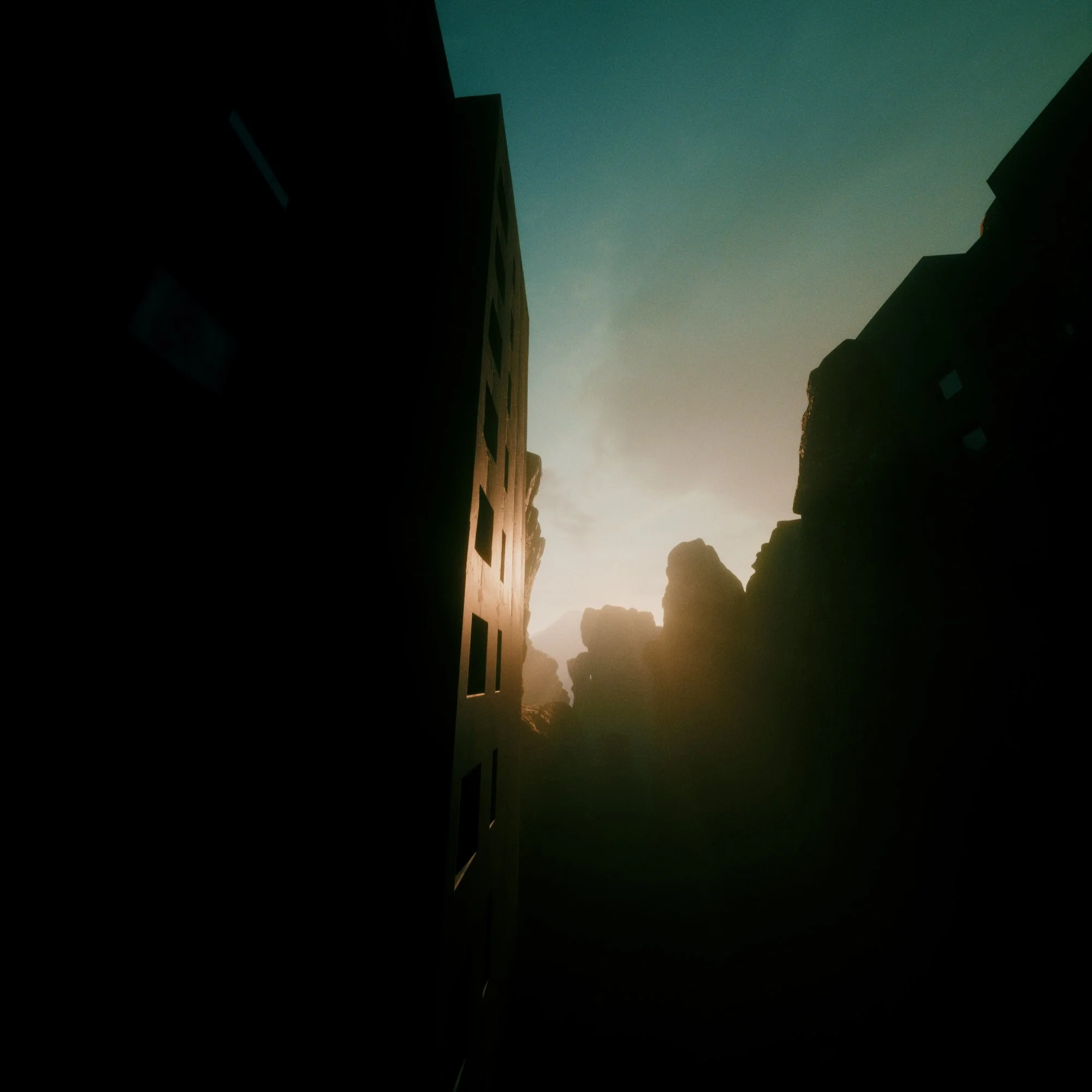
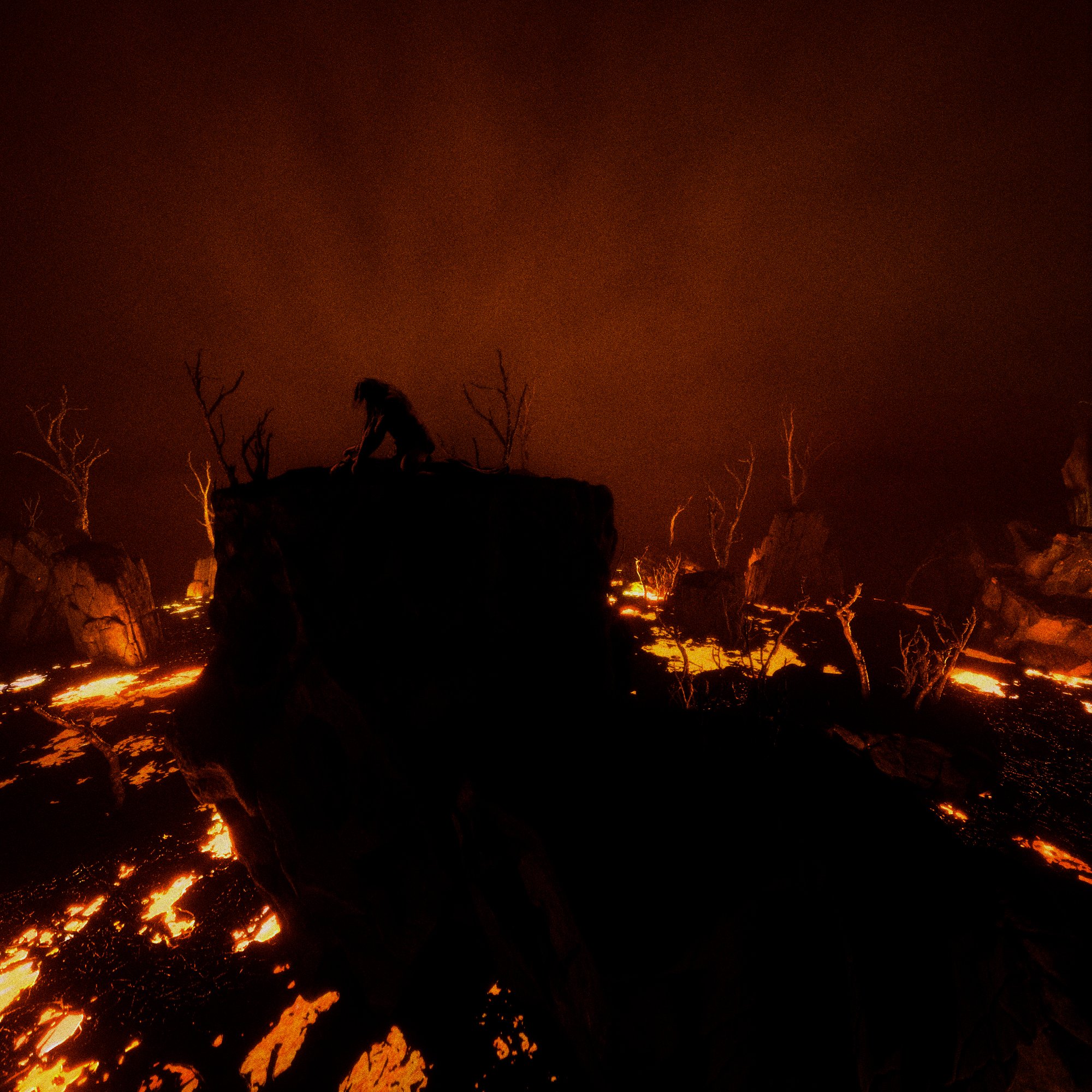
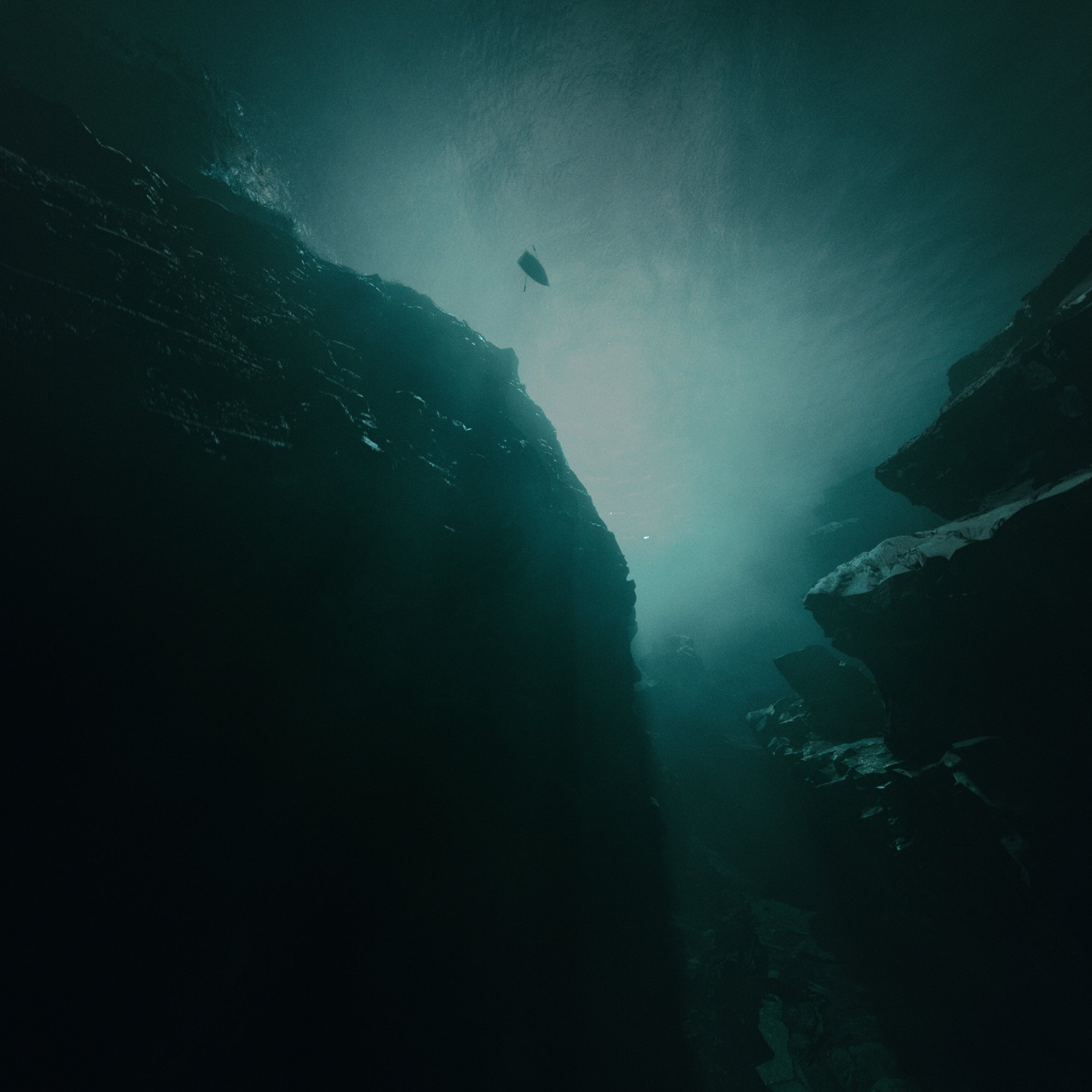
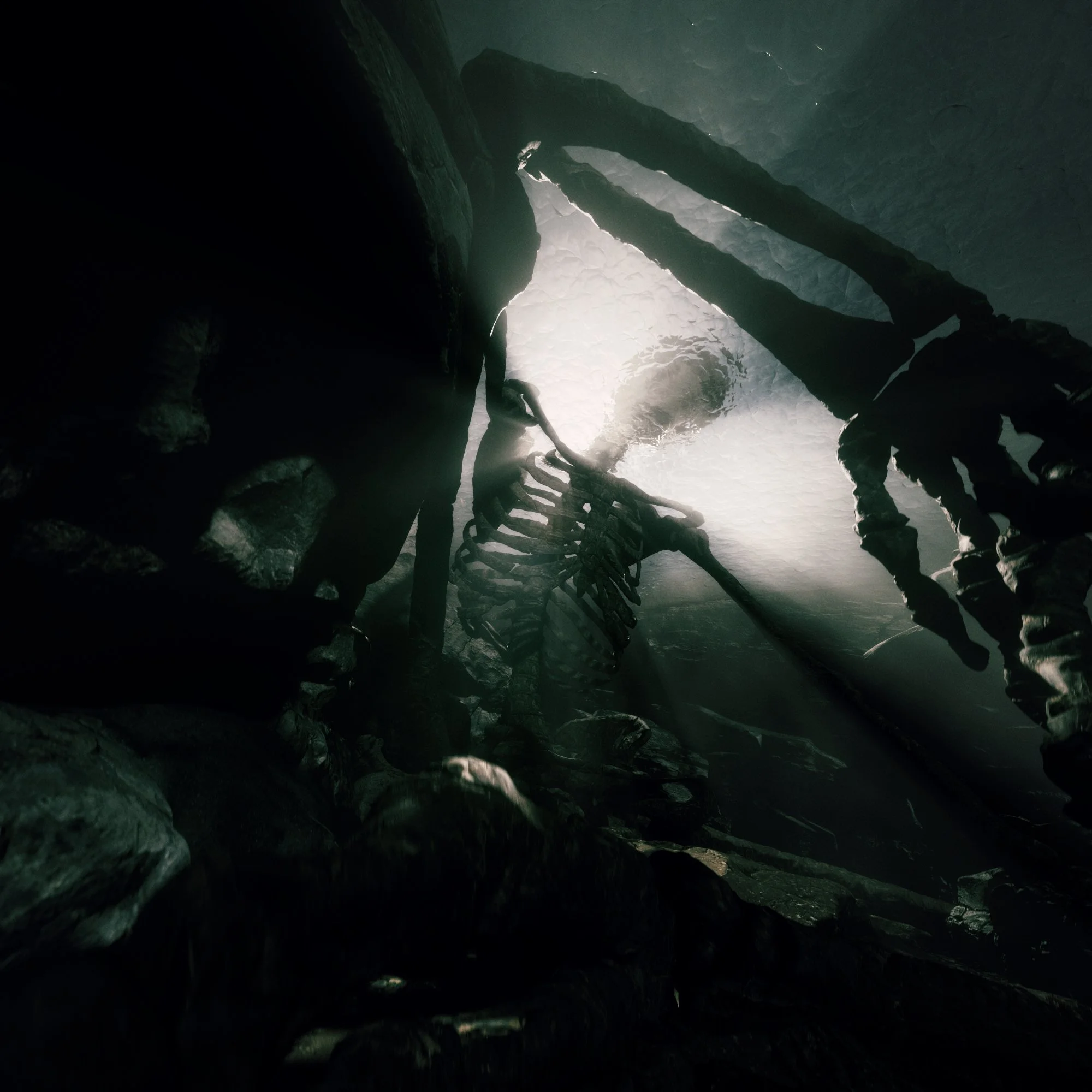
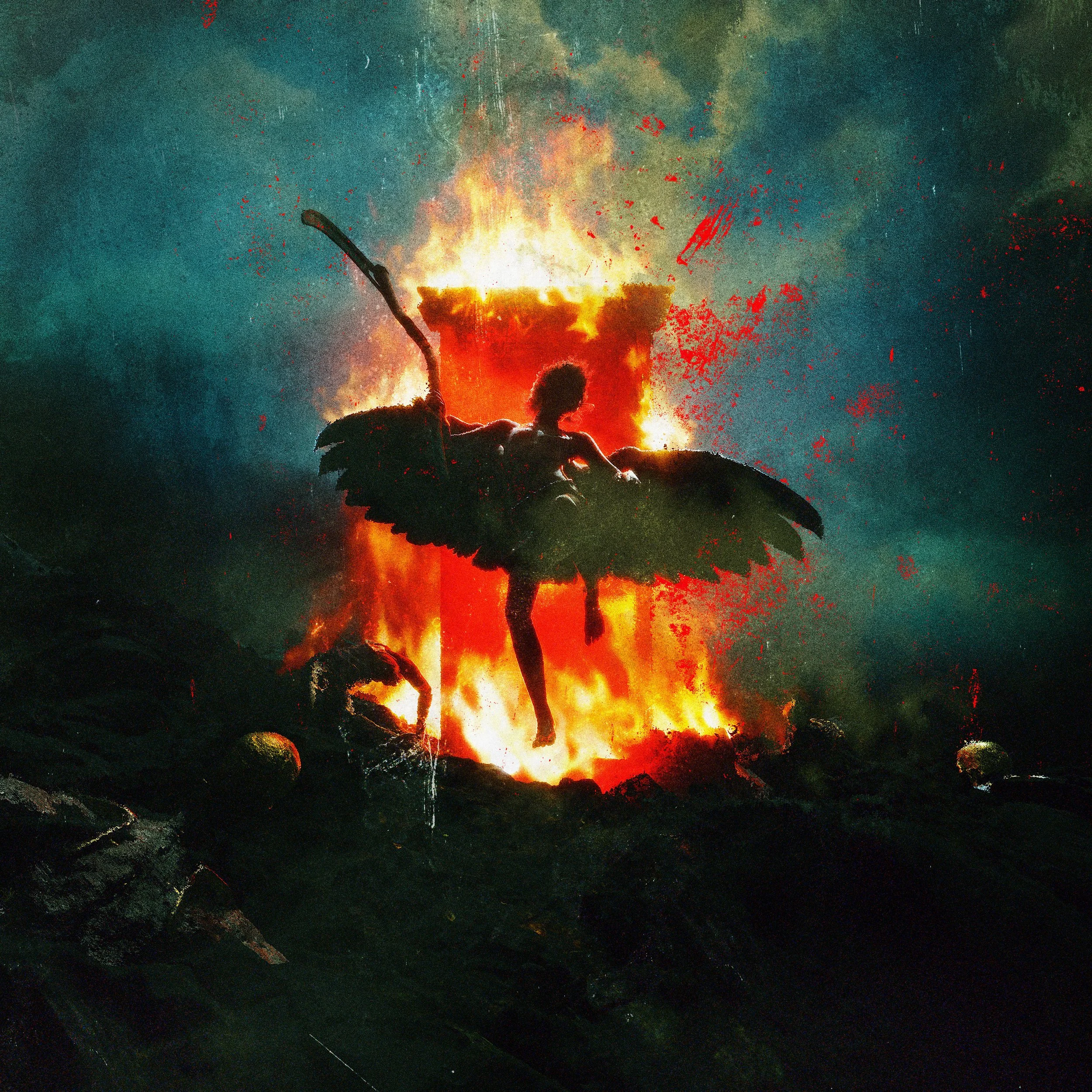
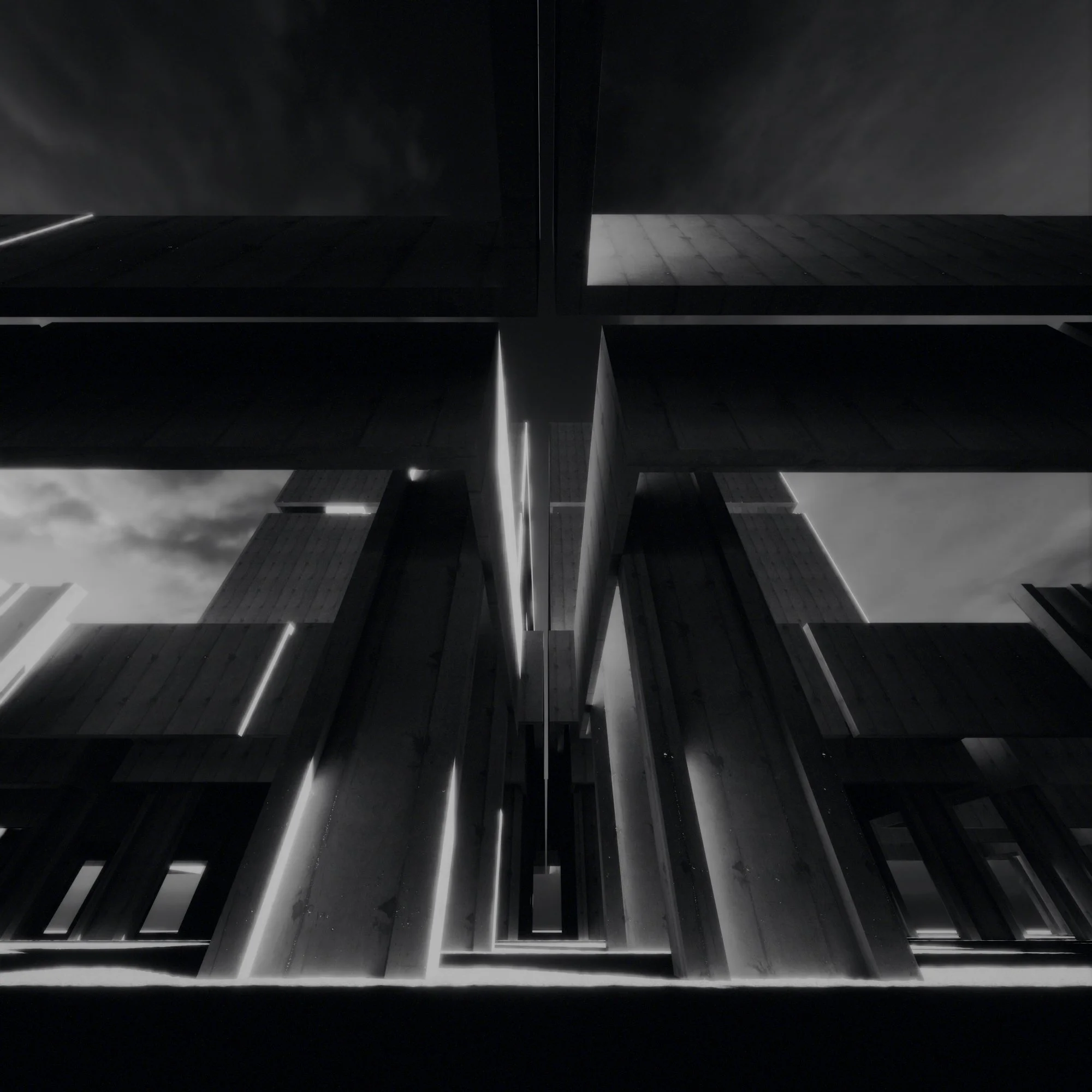
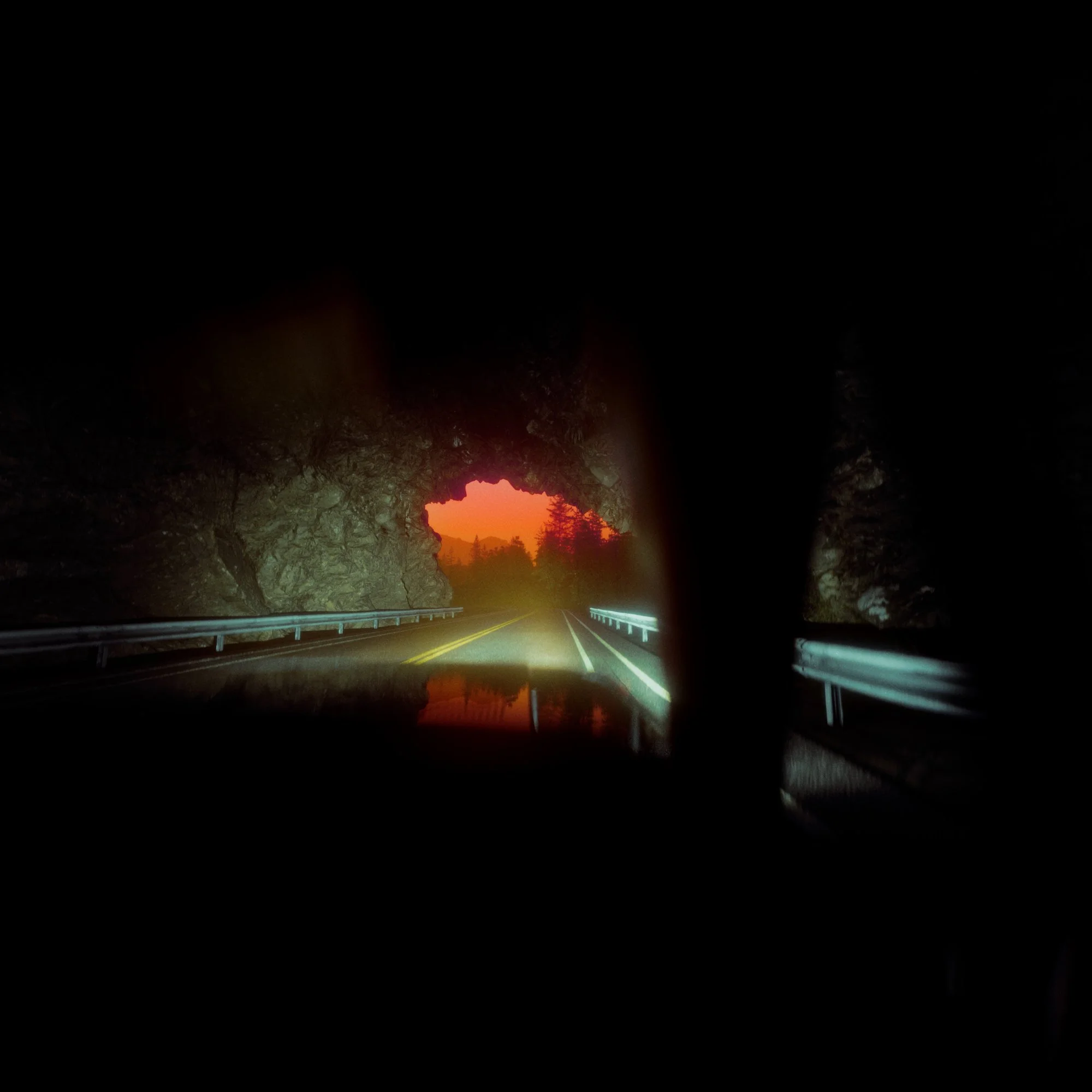
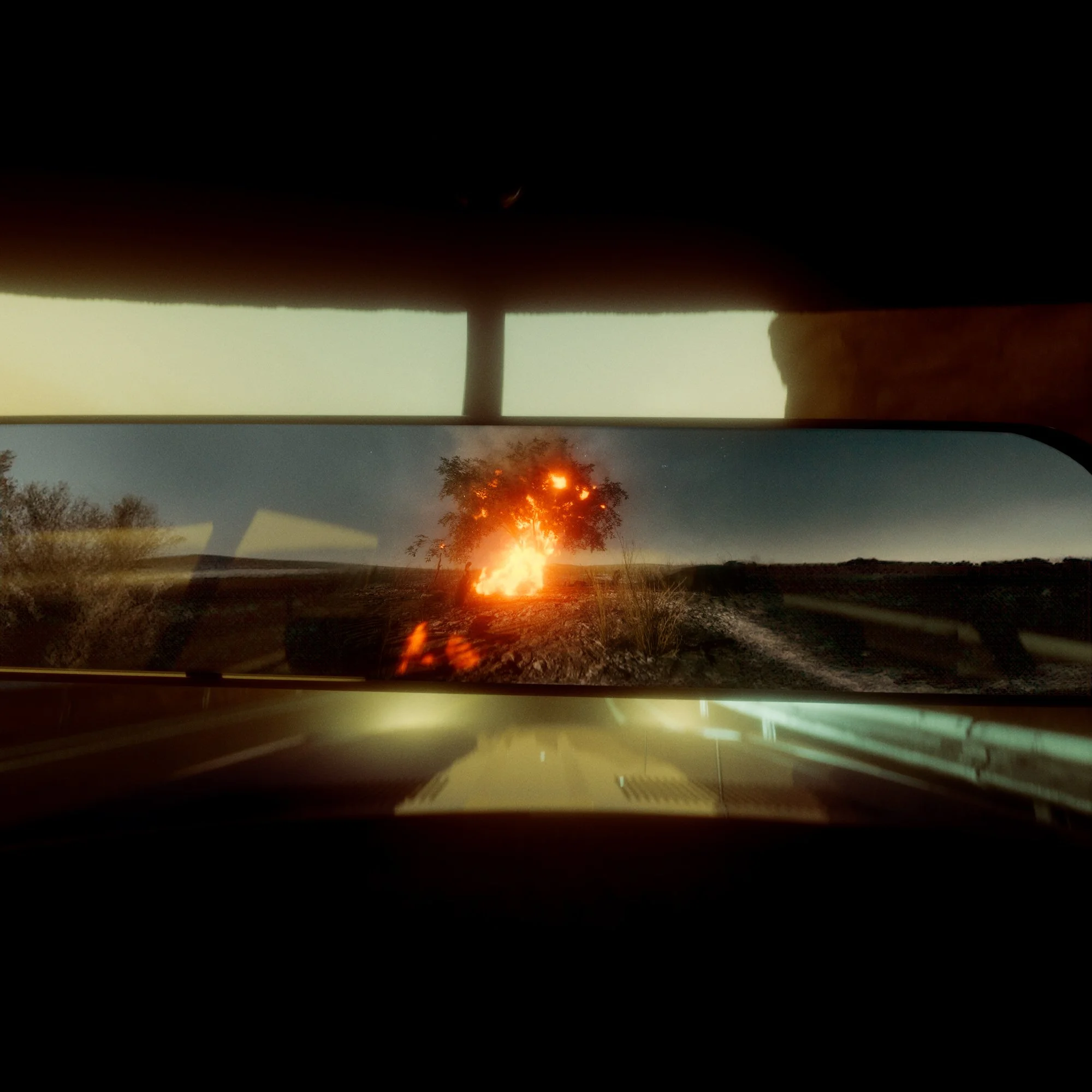
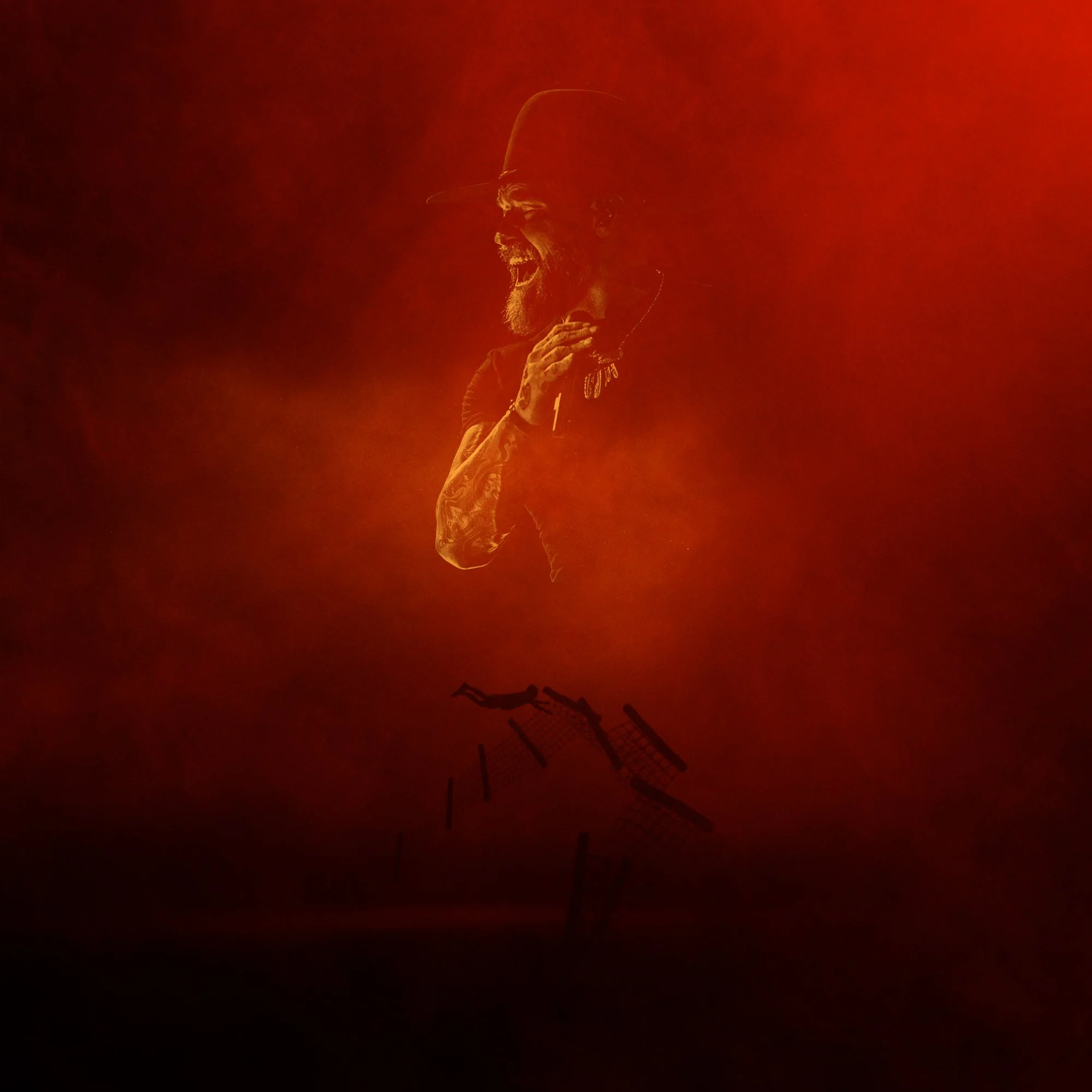
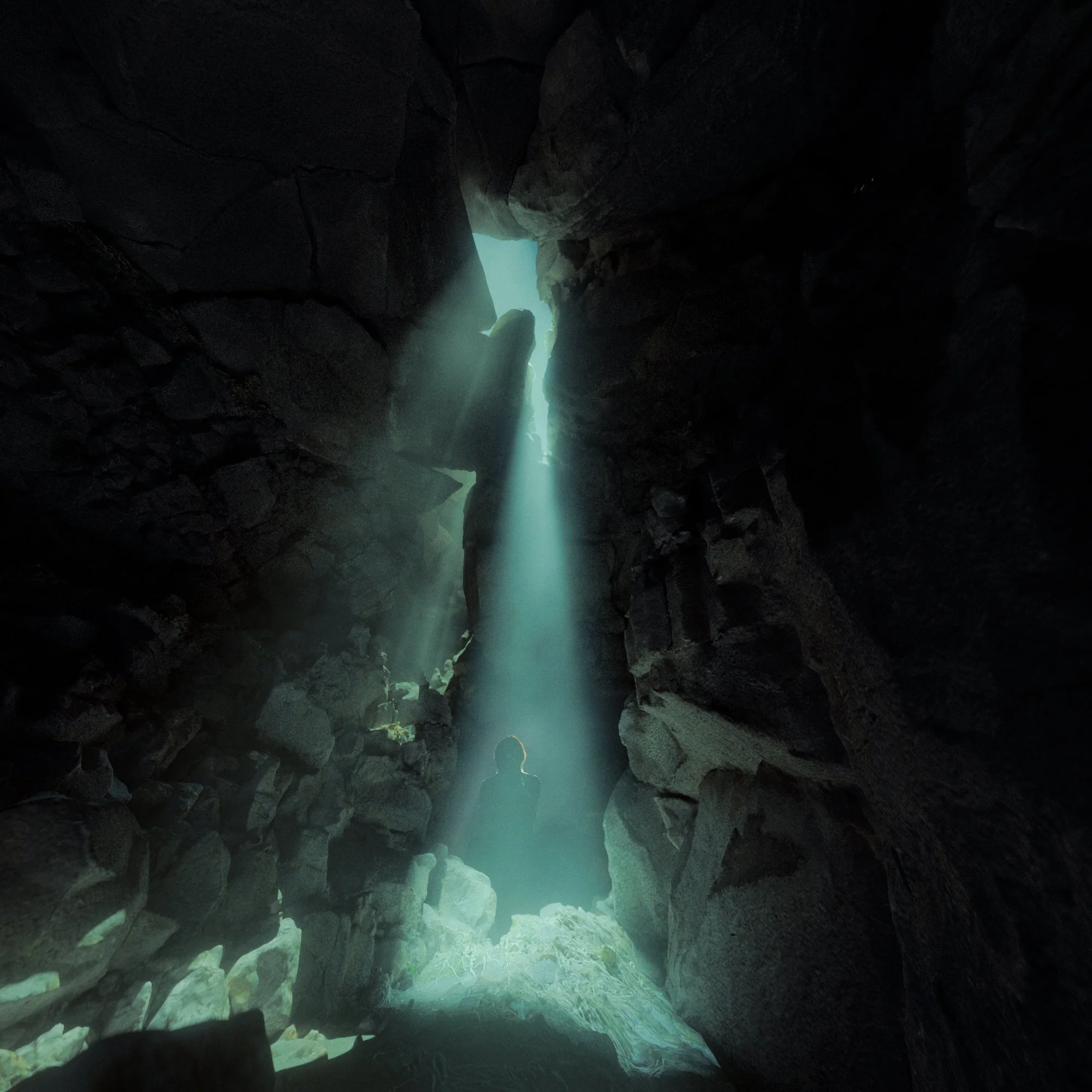
Silhouettes and negative space solved both artistic and technical challenges. Large areas of darkness created focal points while reducing 360-degree detail demands across the Sphere's 18K resolution. Backlighting figures against fire and atmospheric effects established visual continuity, golden skeletons rimlit against crimson skies, the boy's transformation silhouetted by flame. This approach dramatically simplified complex forms into iconic compositions while reducing render times. God rays, atmospheric spotlights, and silhouettes against light became signature techniques that unified diverse scenes while addressing production challenges.

MOTIFS: DOORS, HALLS, AND WINDOWS AS PORTALS
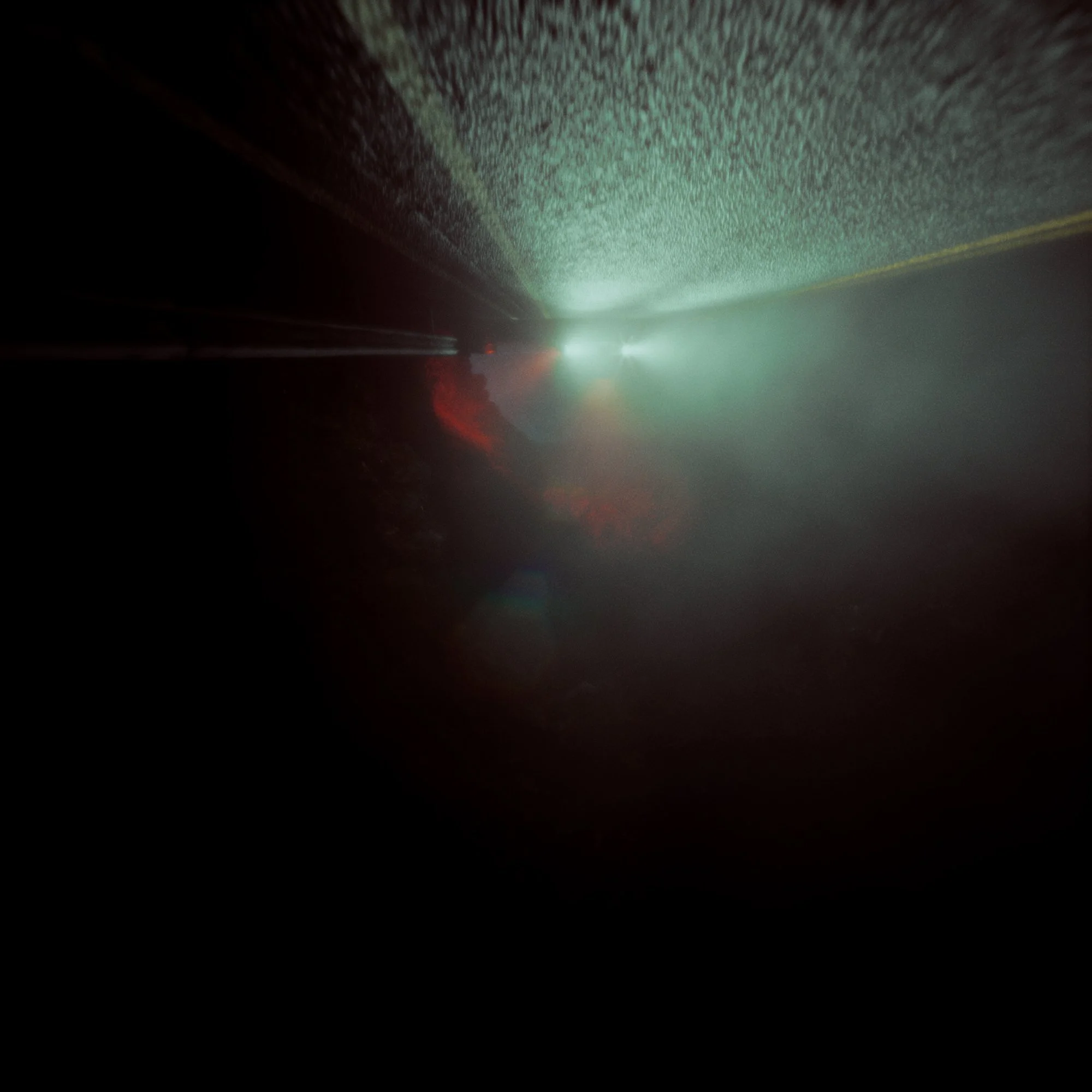
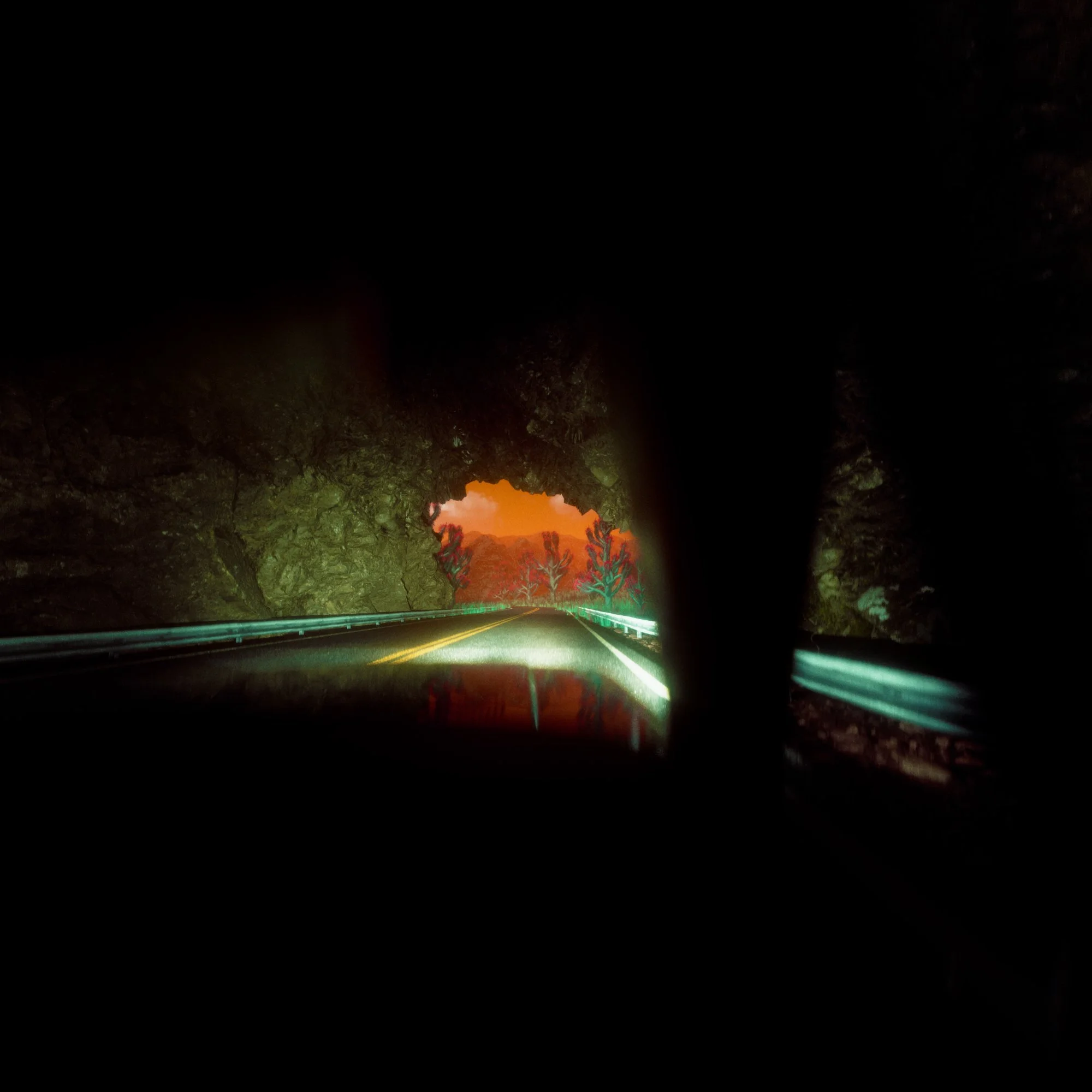
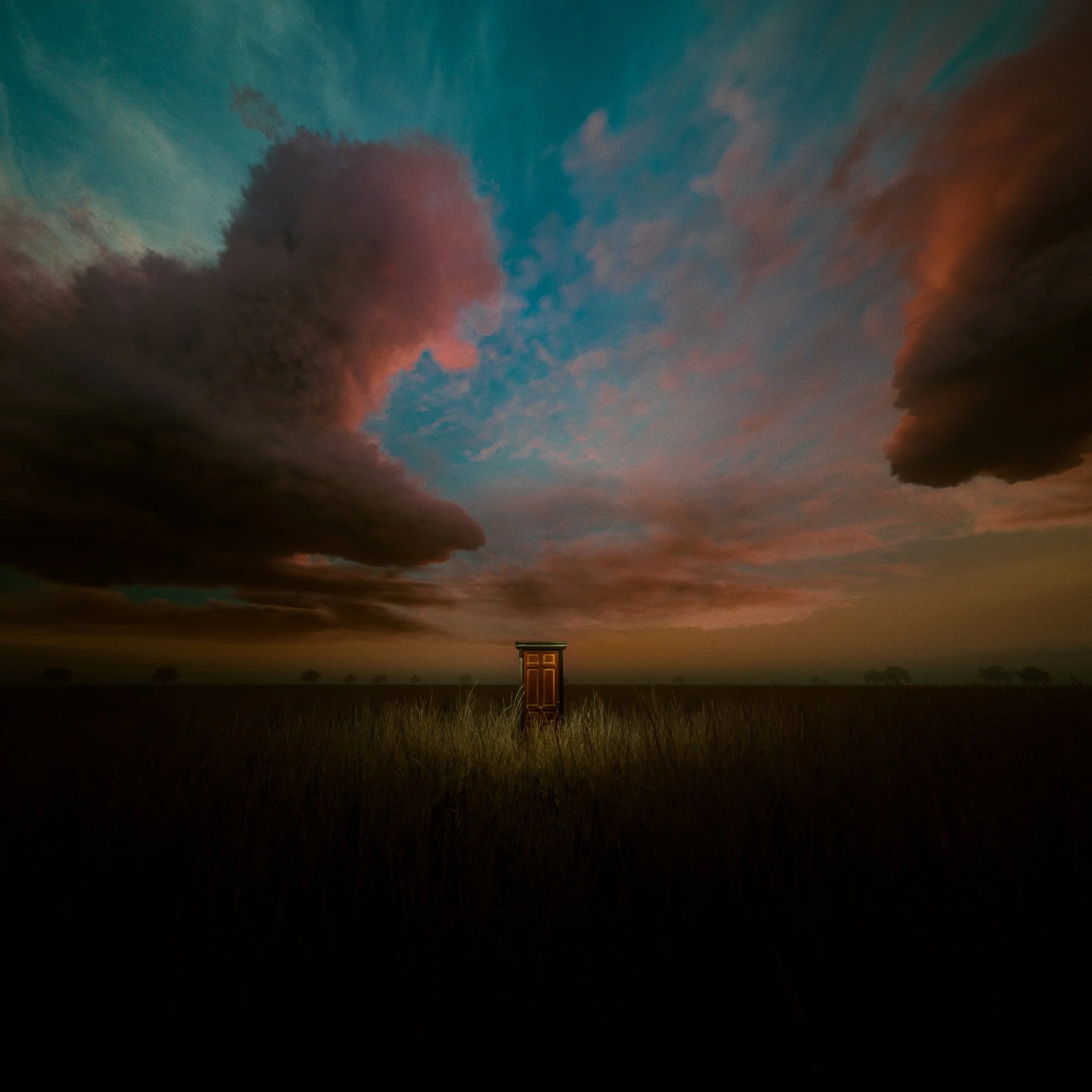
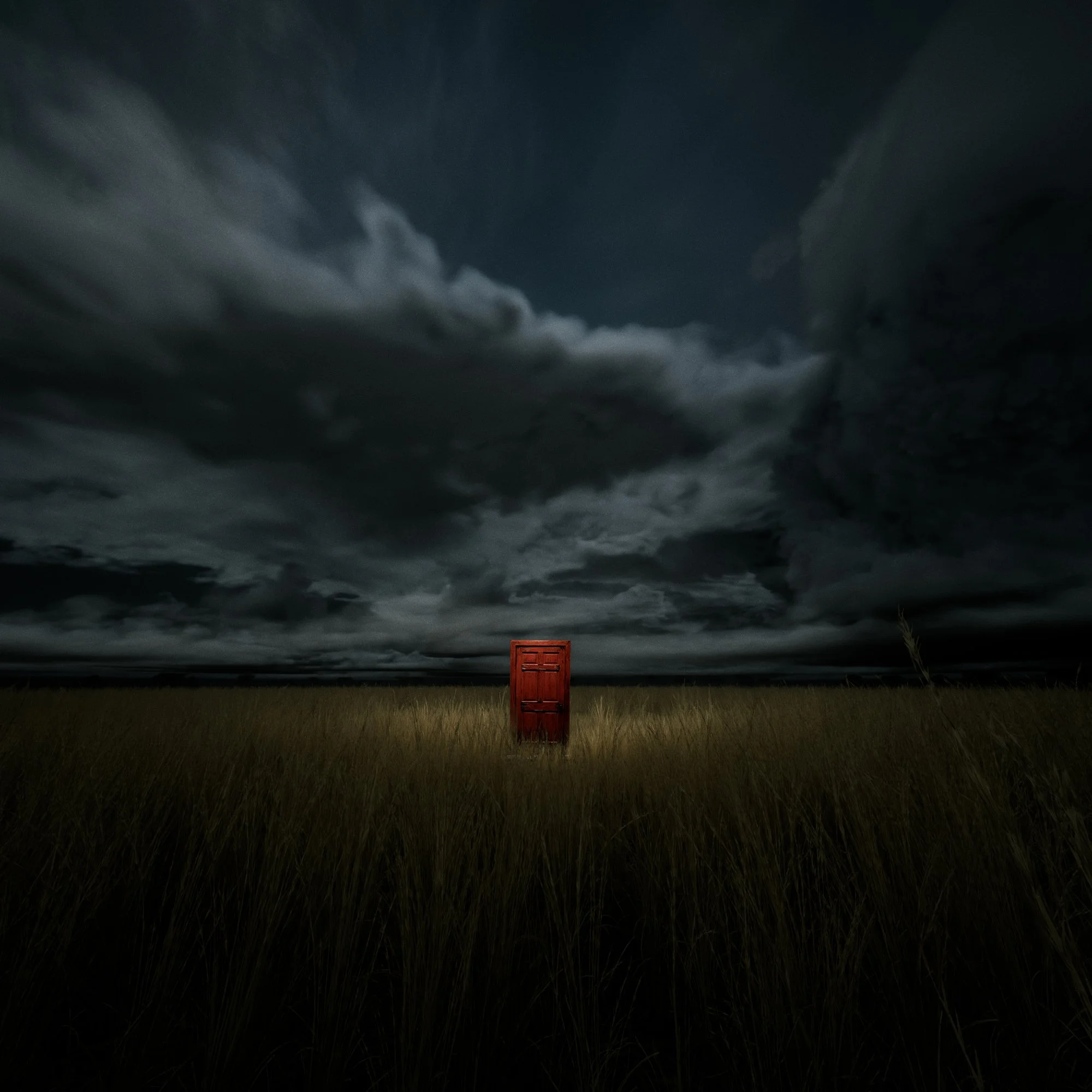
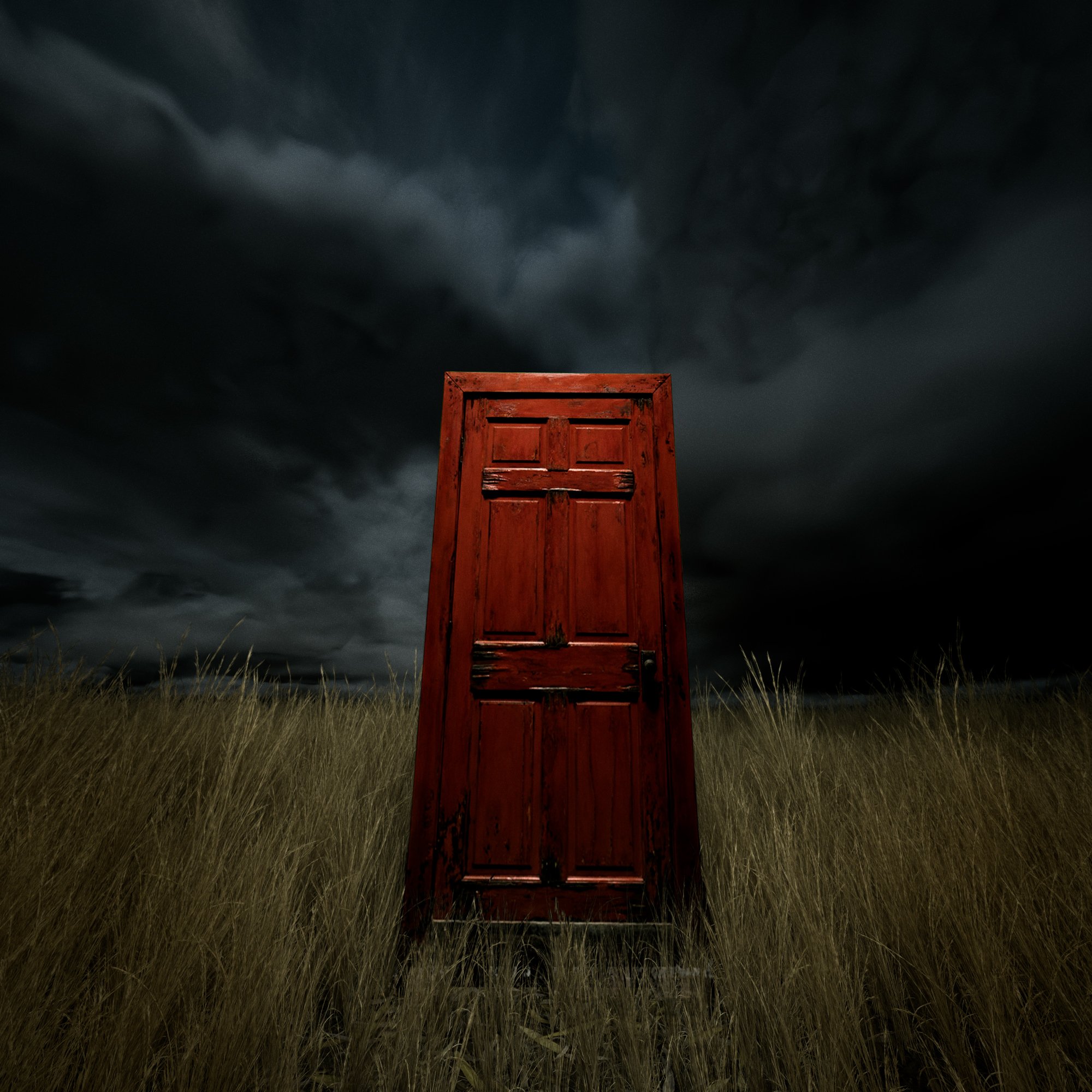
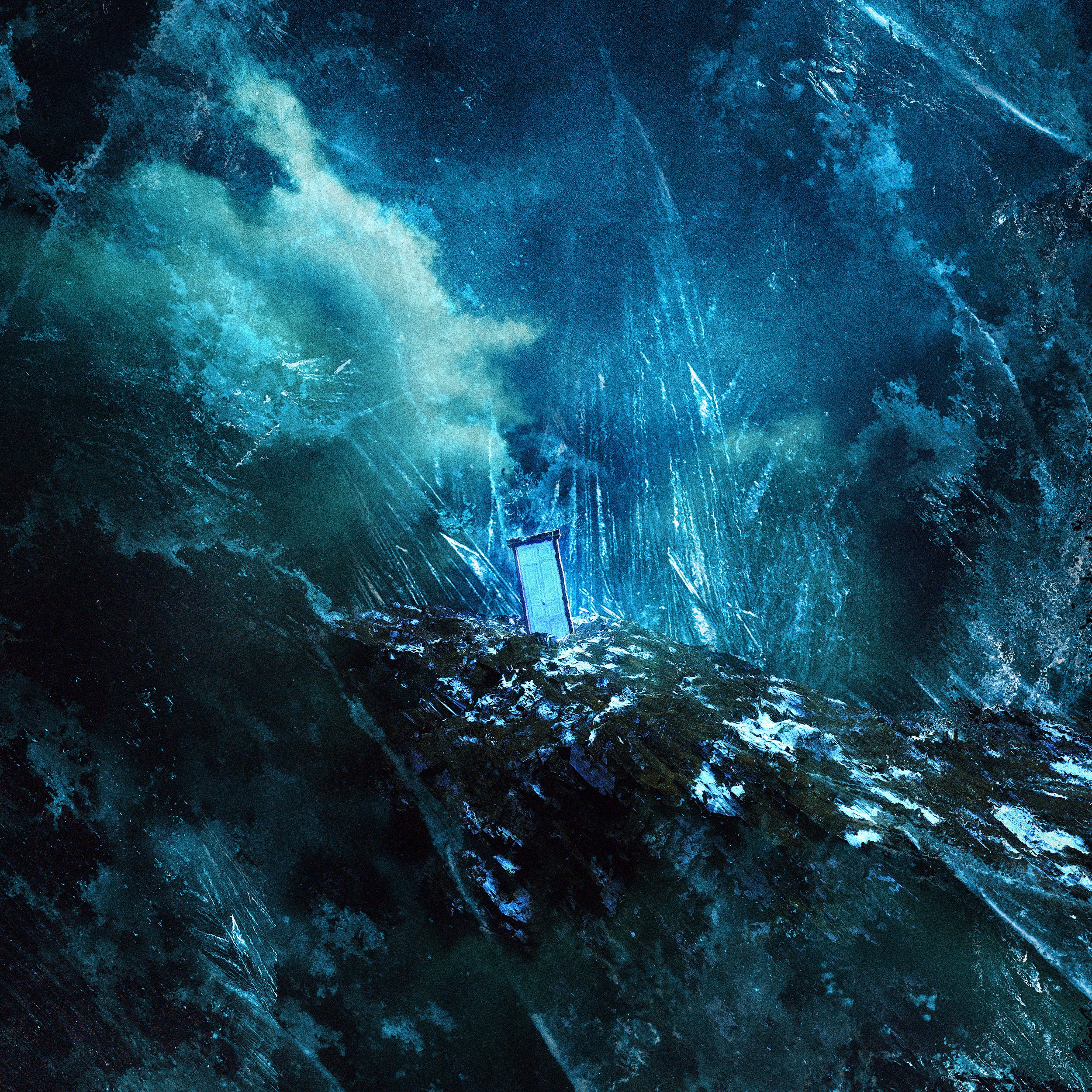
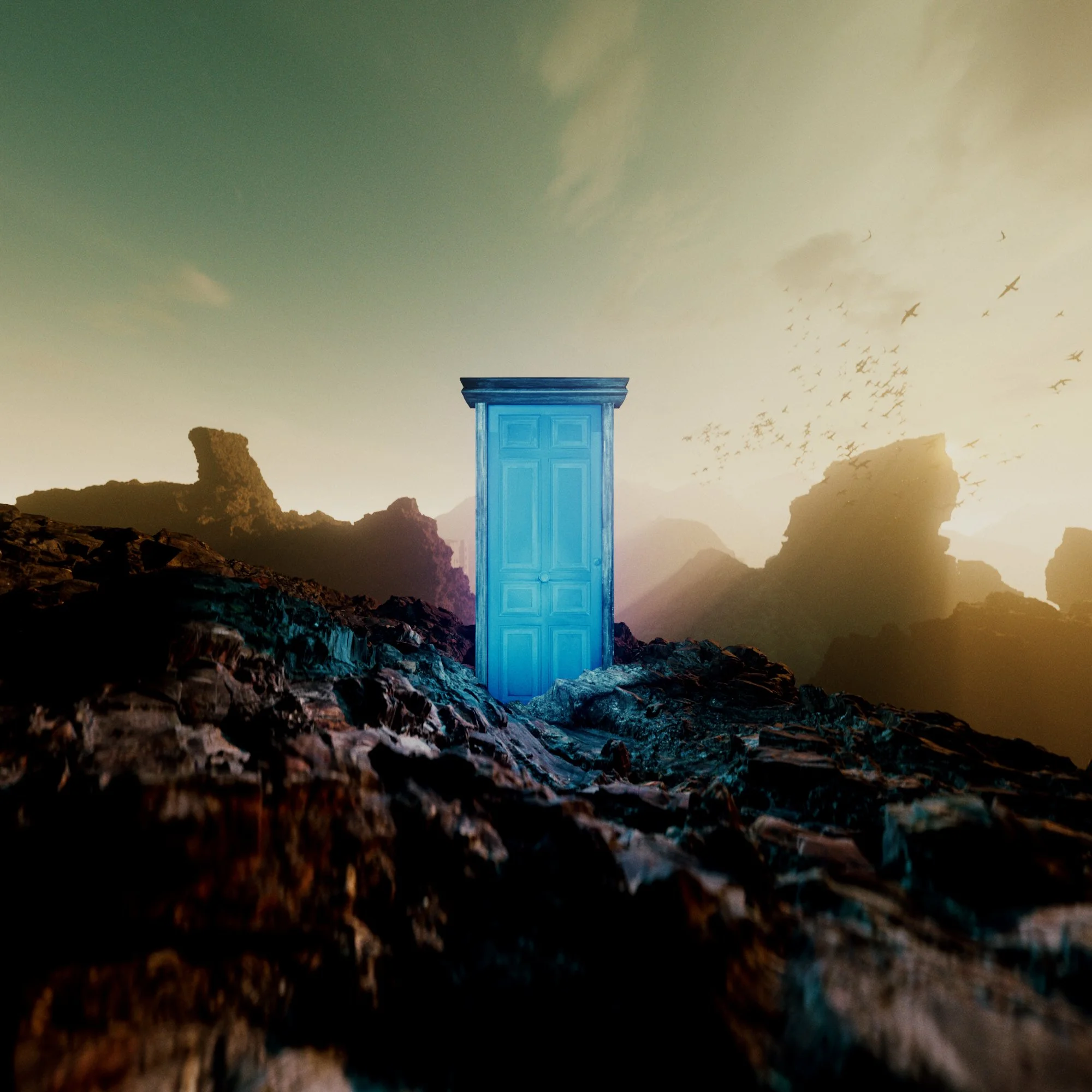
Architectural thresholds became essential storytelling devices representing transformation and transition between emotional states. For "Exosphere," an ice-encrusted door explodes into flame to reveal the boy's metamorphosis. Floating doorways dissolve urban constraints into paradise in "Toes." Hallways guide the camera through thresholds into entirely new worlds. These portal elements allowed seamless narrative flow, treating transitions as literal passages rather than simple cuts, crossing from one song to another and from one emotional state to the next, reinforcing the journey structure.
SPHERICAL DESIGN FOR PRODUCTION
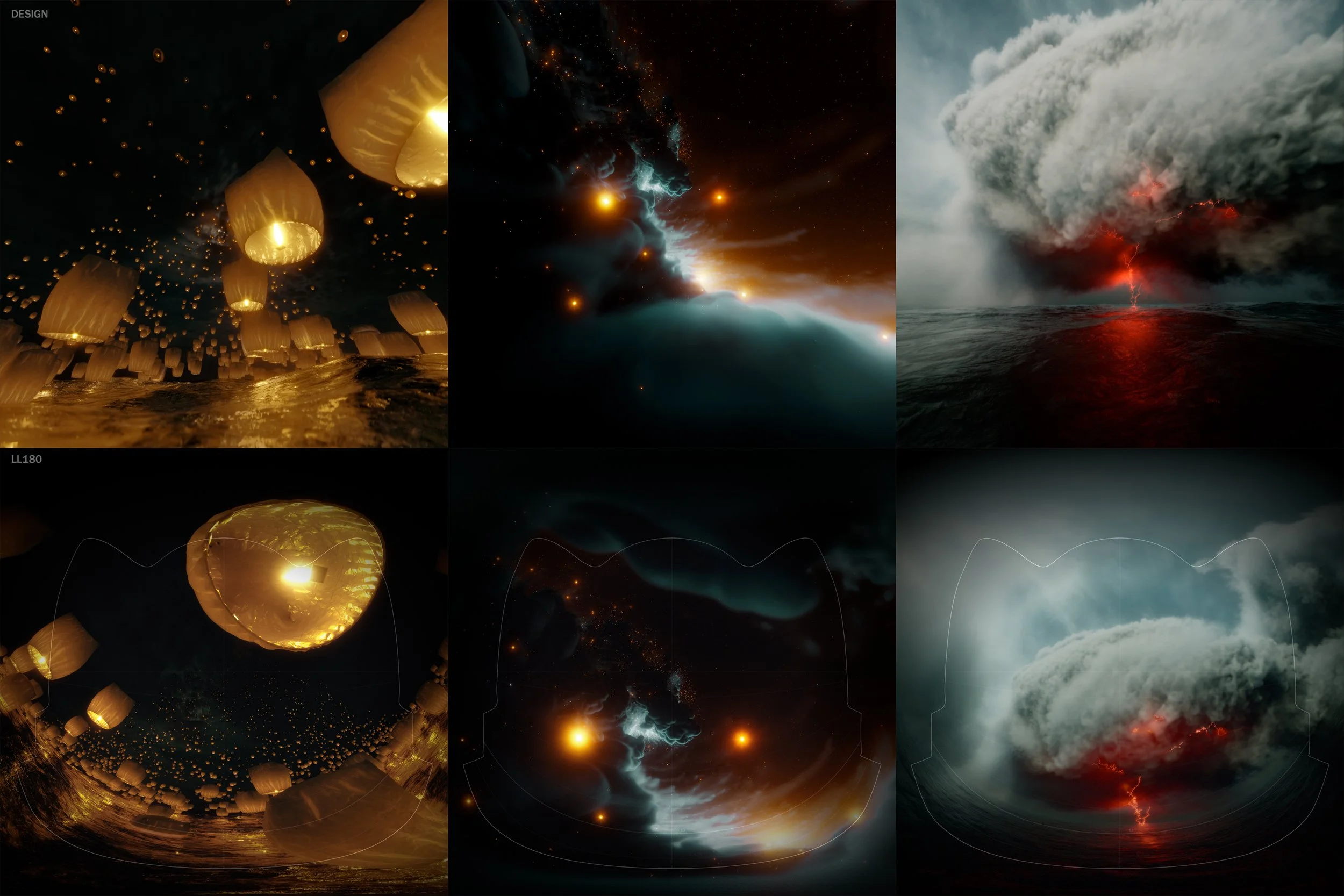
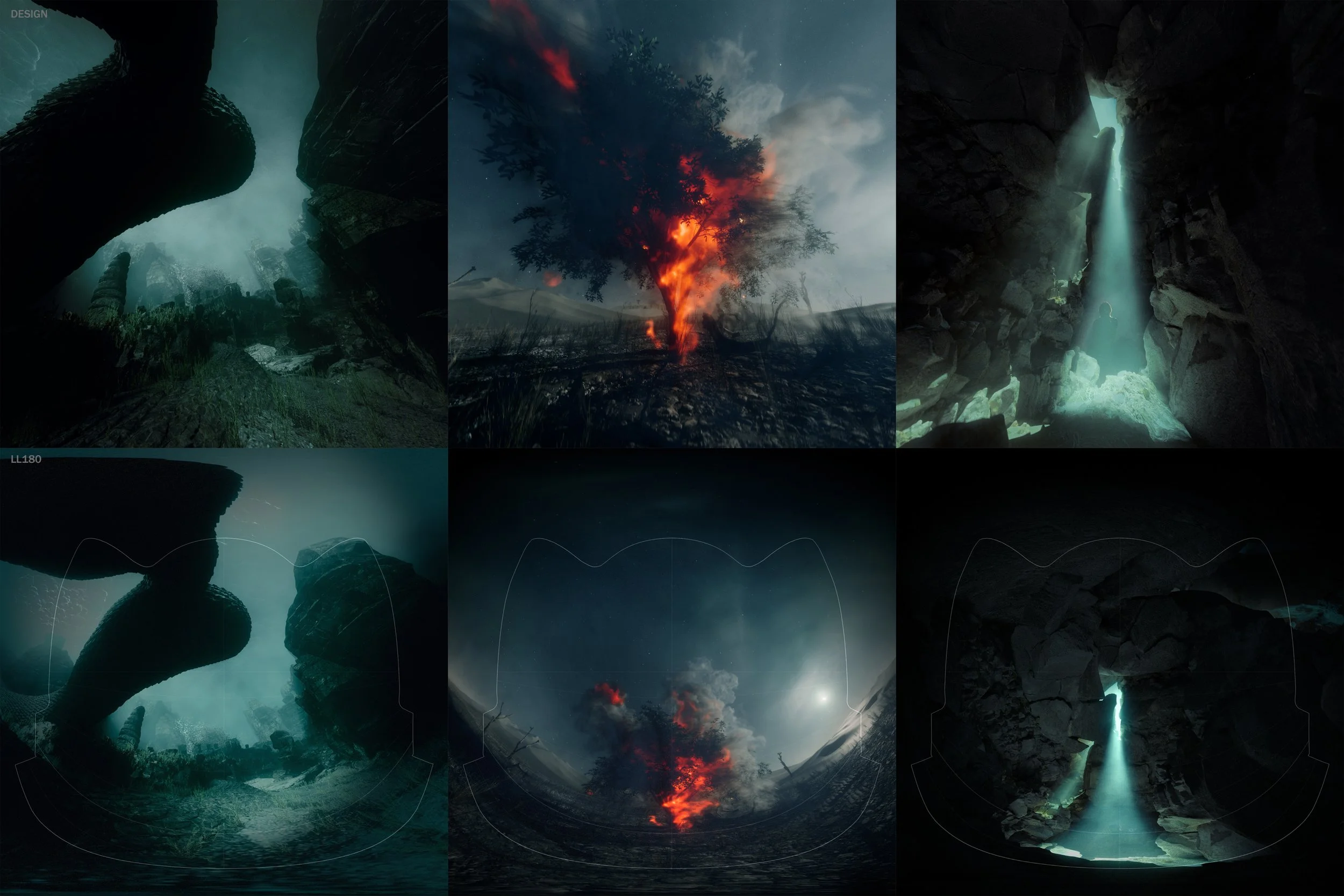
Designing for the Sphere's 360-degree canvas required building complete wraparound worlds from the start. I used extremely wide-angle lenses during the design phase to capture surrounding environments, making scene extensions significantly easier for downstream animators. My production-ready design frames were built entirely in-camera using Cinema 4D's IPR, getting shots render-ready within the viewport rather than relying on heavy post-compositing. This "work in-camera" philosophy meant the transition to the Sphere's proprietary LL180 camera was remarkably simple, requiring minimal rework because the world was already in place.
LIVE STREAM PERFORMANCE (IMAG)
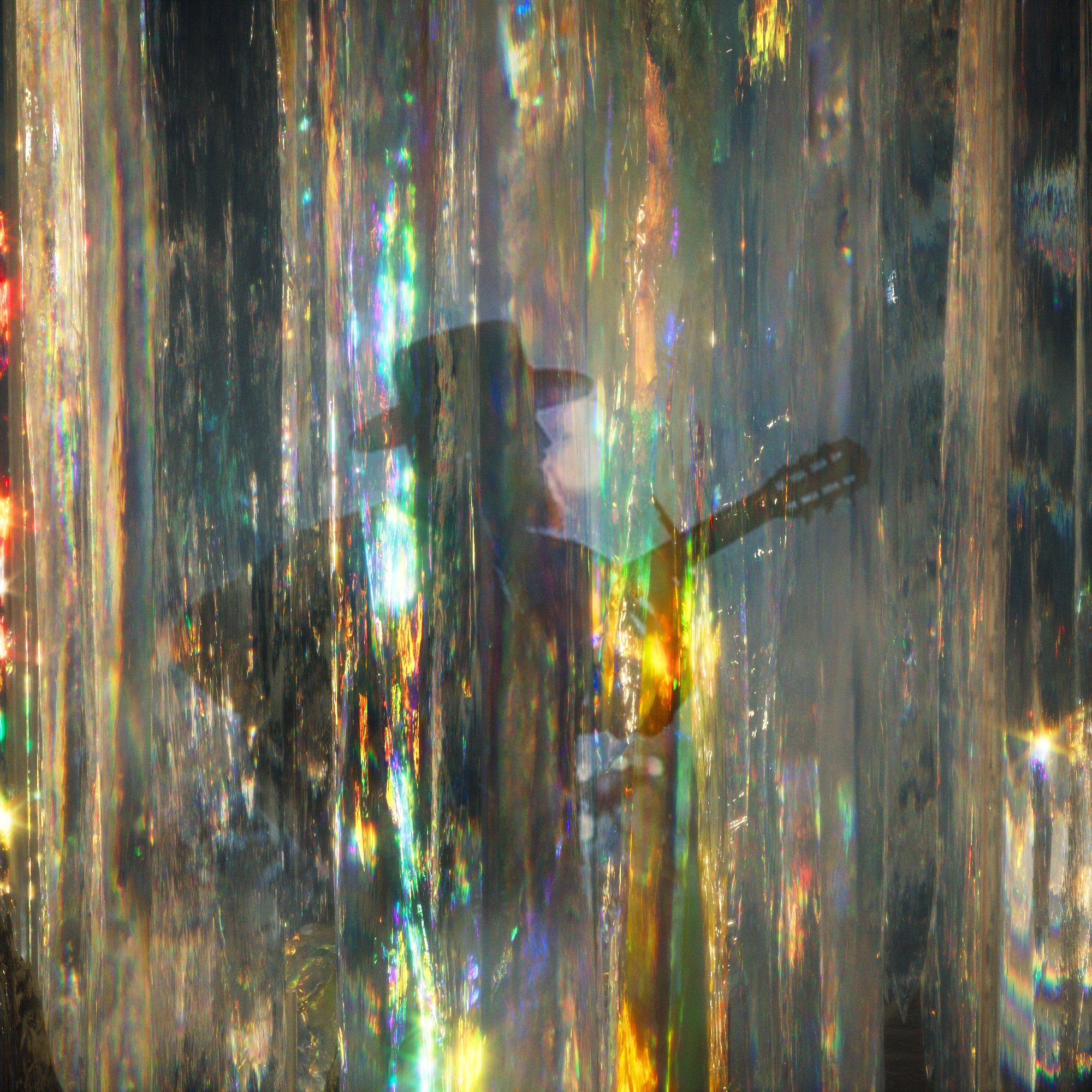
Integrating live band performance into the cinematic narrative without disrupting immersion drew from classic TV production techniques reimagined for the Sphere's scale. I designed clean alpha wipes and transitions that could frame performances seamlessly within fantastical environments. Desaturated performance overlays layered onto textural landscape beds allowed the band to exist within the worlds we'd built, crimson skies behind guitar solos, storm clouds framing drum fills, crystalline cities reflecting during intimate moments. By treating live feed as another visual element rather than a dominant focus, we maintained narrative continuity while showcasing the band as characters within their own story.
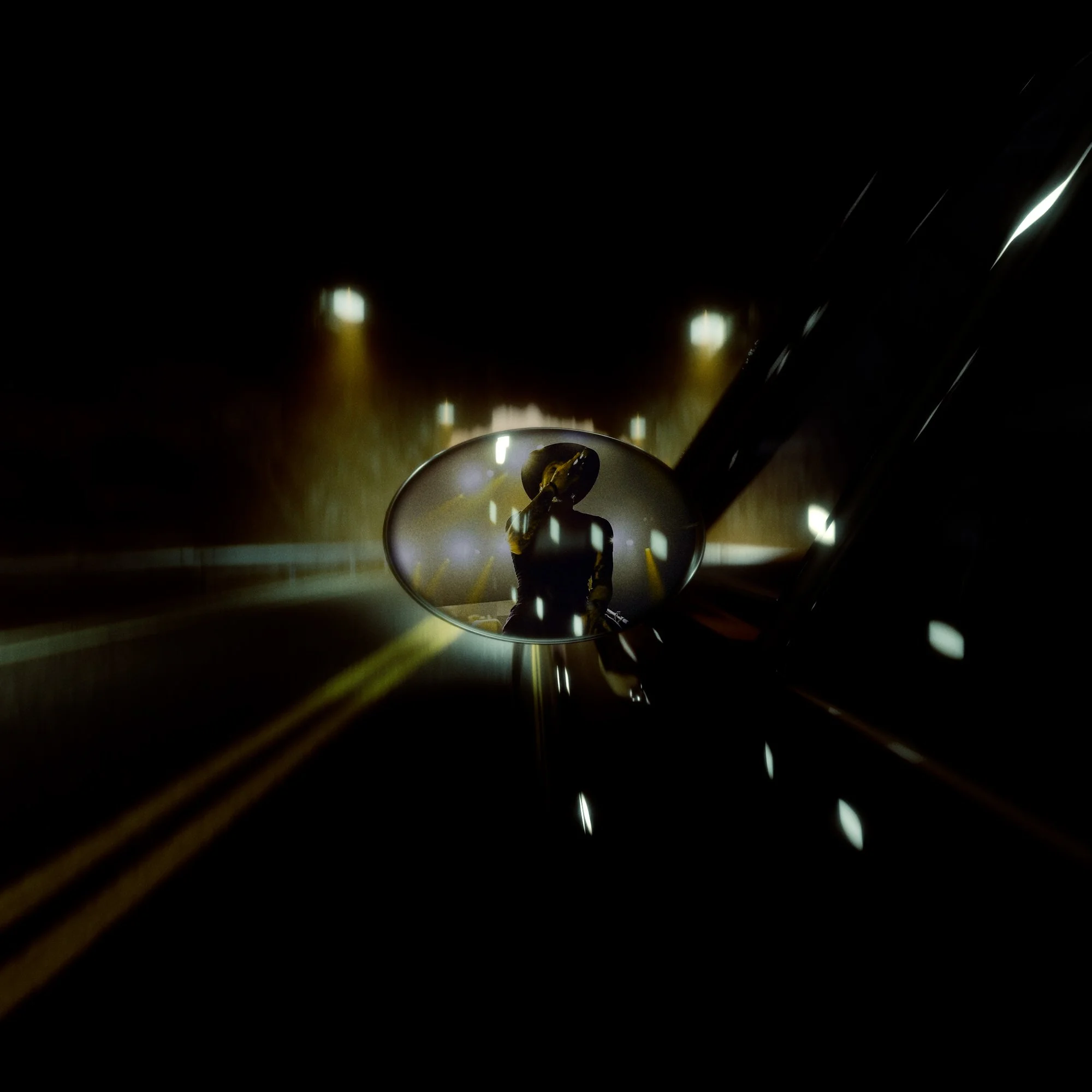
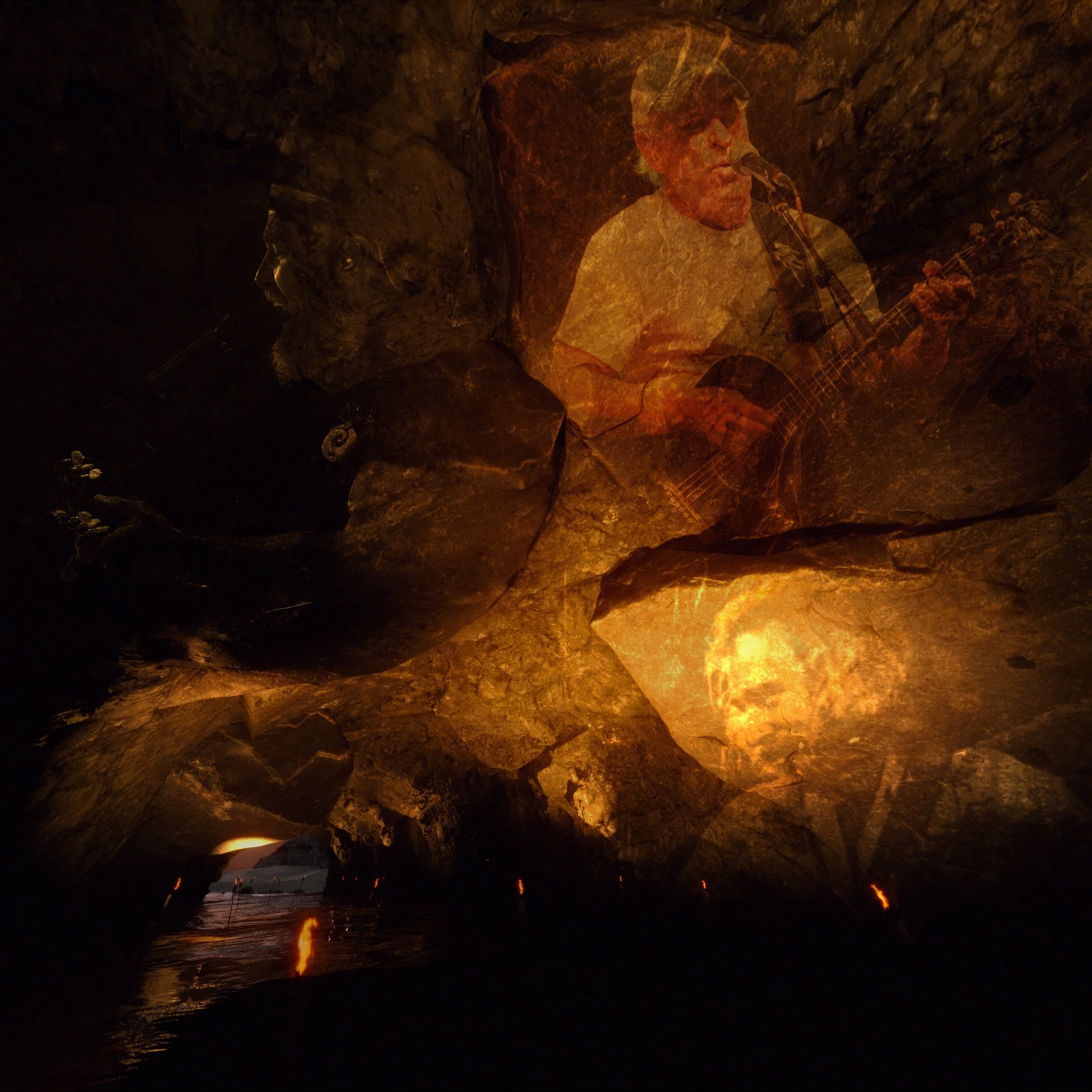
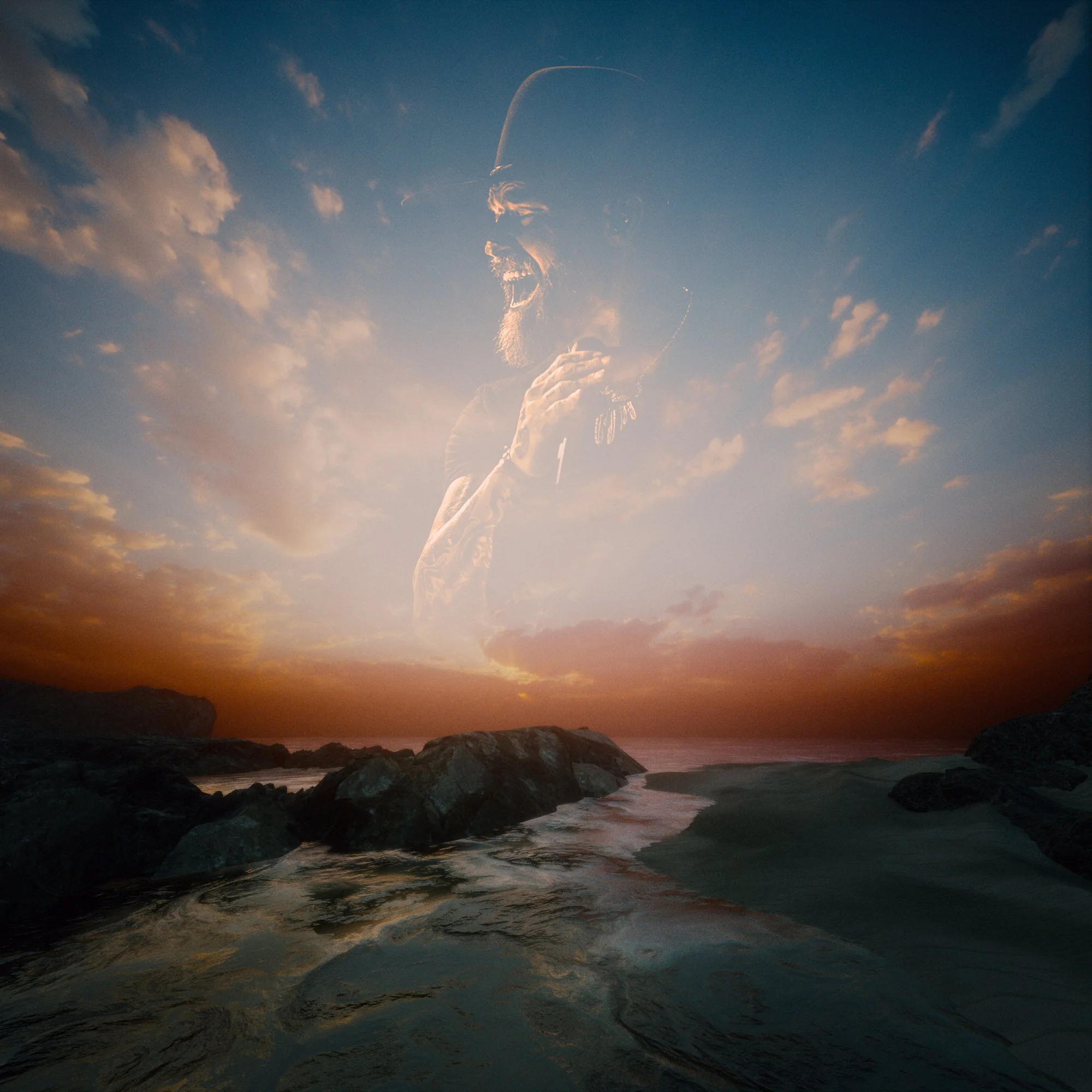
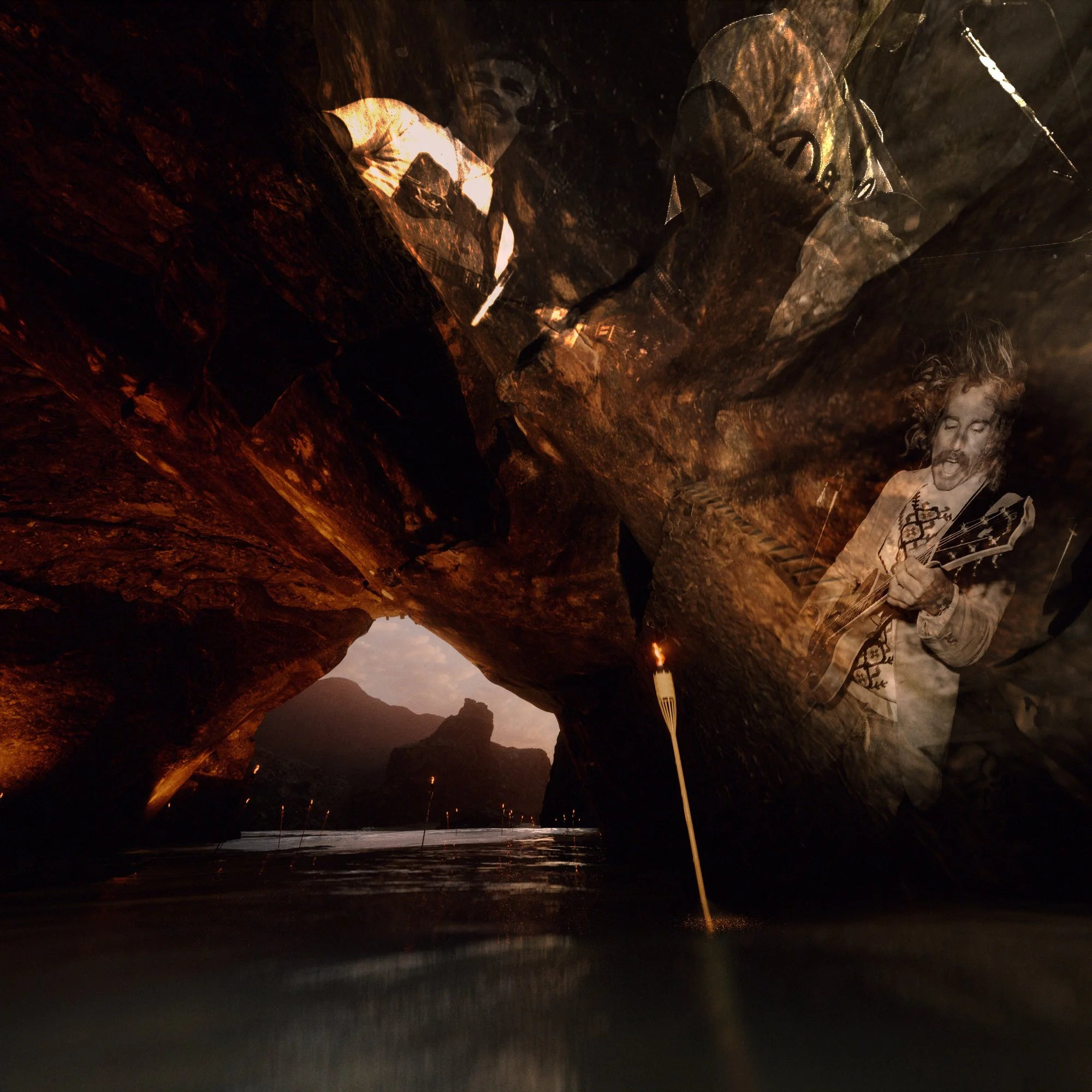



OPENING AND CLOSING IMAGE
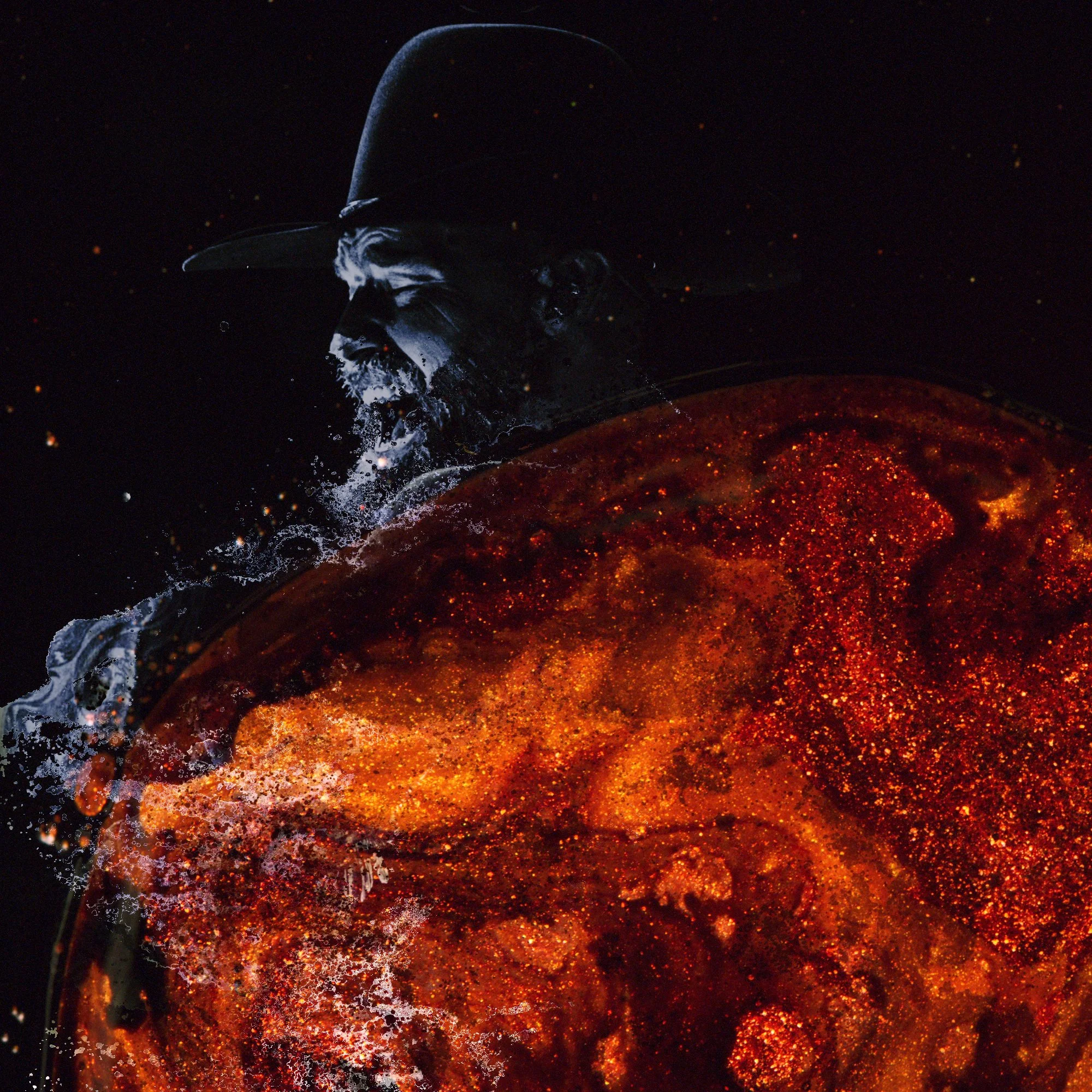
The show opens, plunging into a hellscape where golden skeletal figures claw desperately over one another in "Heavy is the Head," establishing the depths from which our hero must rise. It closes with "Remedy's" celestial inversion: a crystalline city refracting prismatic light, angelic figures floating peacefully among clouds. These parallel compositions, one descending into darkness, the other ascending into light, frame the entire narrative as a passage from isolated suffering to universal love, from damnation to salvation, proving that the weight of the crown can be transformed into the wings of transcendence.